Event Planning · November 15, 2026 · Nikita Khandheria · 5 min read
Once you have chosen a venue, wedding spending can become a series of small decisions that no longer feel connected. An upgraded glass, another floral arrangement, an additional food station. Each one may seem reasonable on its own. Together, they can change the shape of the budget before you have noticed.
At ERIA, we like to bring those choices back to the experience you want to create. What should guests feel when they enter the room? What will make dinner enjoyable? Which details are personal to you? Those questions are more useful than trying to include every idea you have saved.
Let the venue do some of the work
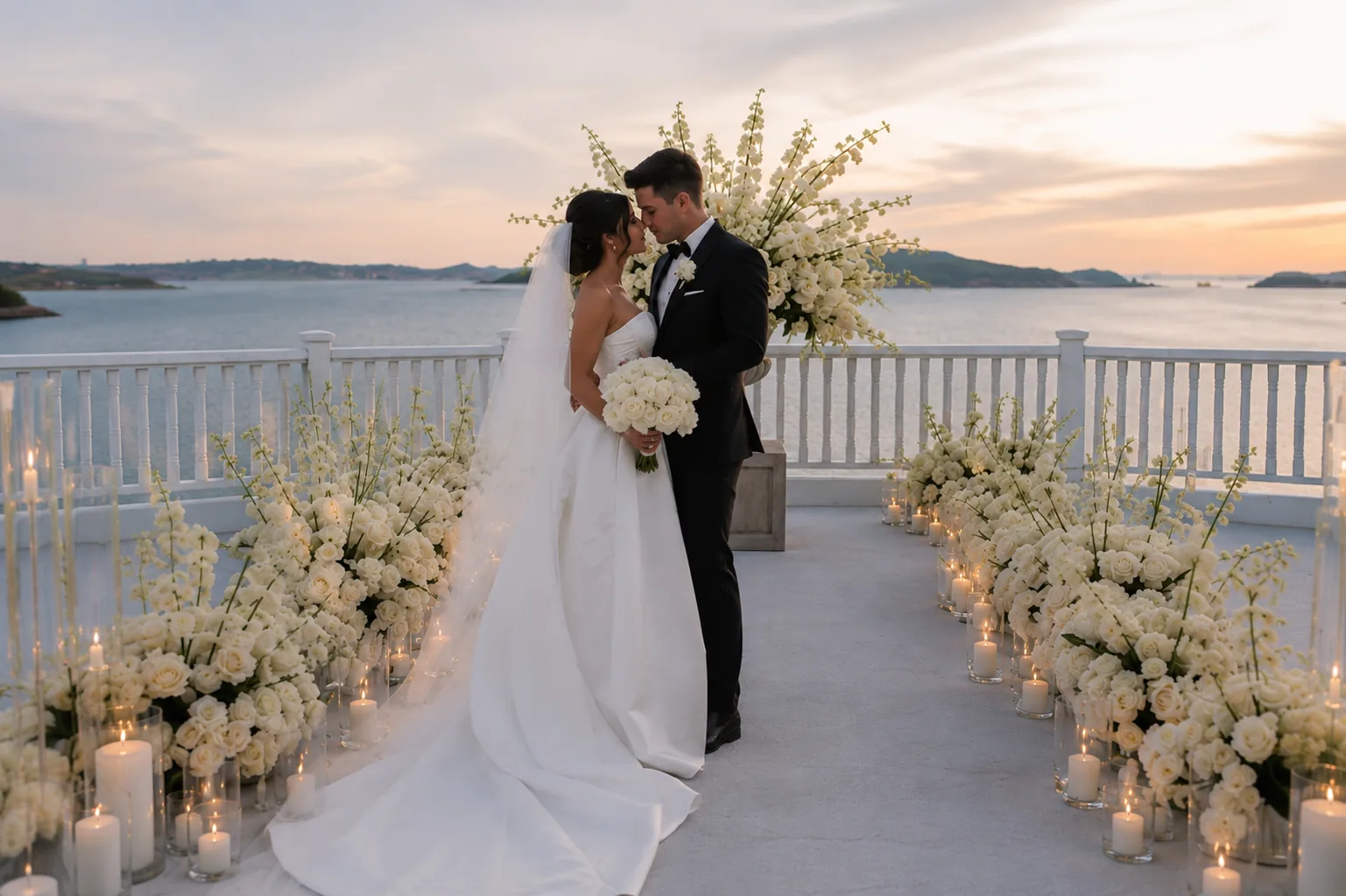
Look at the room before deciding what you need to add. ERIA Sausalito brings a waterfront setting to the celebration, while ERIA Marina offers a different environment for a San Francisco wedding. The setting can guide your design rather than competing with it.
Choose a small number of places where decor will matter most, such as the dining tables or the setting for your vows. Ask your florist or designer how those choices work together. A coherent plan is easier to price than a collection of unrelated installations, and it can feel much more personal.
Price the complete meal
A menu is only one part of catering. Ask about the staff, equipment, tableware, service style, delivery and cleanup needed to serve it well. Compare dietary accommodations and vendor meals where they are part of the event. These details should sit beside the food price in your budget.
At ERIA, outside catering is possible with approval and the required insurance. Read our outside catering guide before requesting competing proposals. A lower menu price may still involve more rentals or service costs, so choose on the complete arrangement rather than the headline figure.
Choose service for the occasion
A plated dinner, buffet or reception with stations can each work beautifully, but none is automatically the least expensive choice. The menu, staffing, equipment and sequence of service all influence what is required. Ask the caterer to explain how the format changes the total.
Be honest about the event you are inviting people to attend. Guests arriving during a meal period will expect an appropriate amount of food. If you prefer a lighter reception, discuss its timing and describe it clearly in the invitation. Budget decisions work better when expectations and hospitality remain aligned.
Give the bar a clear scope
Decide how long you want service, which drinks matter to you and what guests who do not drink alcohol will enjoy. Compare an agreed package with other available service arrangements, including staffing and any limits that apply. A selection that suits the occasion can be more useful than an elaborate menu nobody requested.
Consult the ERIA bar and corkage guide before assuming you can bring drinks independently. Venue rules and approval requirements still apply. Ask for the arrangement in writing so the quantity, service hours and pricing are understood before the wedding.
Consider where flowers will be seen
Work through the guest journey with your florist. A design may be photographed during the ceremony, enjoyed at dinner or barely noticed in a corridor. Invest where it contributes to the atmosphere you care about. Share your priorities and ask which flowers and formats are practical within that budget.
If you hope to reuse arrangements between the ceremony and reception, plan the move. Someone must have time to do it safely while guests are elsewhere, and the arrangements need to suit both locations. Confirm who handles the work and whether the labor changes the quote. Reuse is a planning choice, not a guaranteed saving.
Include the work behind DIY
A personal place card or a small handmade detail can be lovely. A large project also needs materials, transport, storage, setup and removal. Before choosing it, decide who will do that work and whether the venue can accommodate the plan within your access hours.
Compare the complete effort and cost with a professional option. Avoid assigning essential wedding-day tasks to someone you want to enjoy the celebration. Our guide to comparing venue proposals helps you account for access and labor alongside the visible details.
Review additions as a group
Before confirming upgrades, look at their combined cost. Ask whether the collection supports the priorities you chose at the beginning or simply reflects the order in which ideas arrived. Keep a few items optional until the essentials are fully priced.
Share your menu and design priorities with ERIA, along with your overall event budget. We can help you discuss a coherent scope with the relevant teams. If the payment calendar also needs attention, progress payments can be discussed individually, with any alternative arrangement recorded in writing.
Frequently asked questions
Is a buffet always less expensive than a plated wedding dinner?
No. Food selection, staffing, equipment and presentation determine the cost. Ask for full proposals for the formats you are considering and compare them with the same guest count.
Can we reuse ceremony flowers at the reception?
It may be possible if the design, timing and room layout allow it. Agree who moves the arrangements, when the move happens and whether it adds labor or other costs.
How can we choose upgrades without losing track of the budget?
Keep each upgrade separate from the agreed baseline until you approve it. Review all proposed additions together, then update the total and payment calendar using the latest written quotes.
Continue planning with ERIA
Explore more event planning guides, browse our wedding budgets and venue guides, or start a conversation with our team.
Plan With ERIA
Ready to bring this to life?
Tell us what you are planning. Our team will help you shape the experience from first idea to final detail.
Start a Conversation