Decide what each taste should explain
Choose a small number of product messages and give each one a place in the experience. A comparison might demonstrate a difference in preparation; a course might show how a product belongs on a menu. Brief the presenter and culinary lead together so guests hear the relevant story while the food is at its best. Keep technical detail available for the people who want it.
Bring the culinary plan into the venue conversation early
Share the menu, chef team, preparation method, serviceware and equipment list before committing to the format. Discuss kitchen access, current equipment, receiving, cold storage and specialty rentals with ERIA. Assign a person to accept deliveries and check quantities. The agreed proposal should make clear who supplies food, who prepares it and who manages the service from kitchen to table.
Give guests a comfortable way to learn
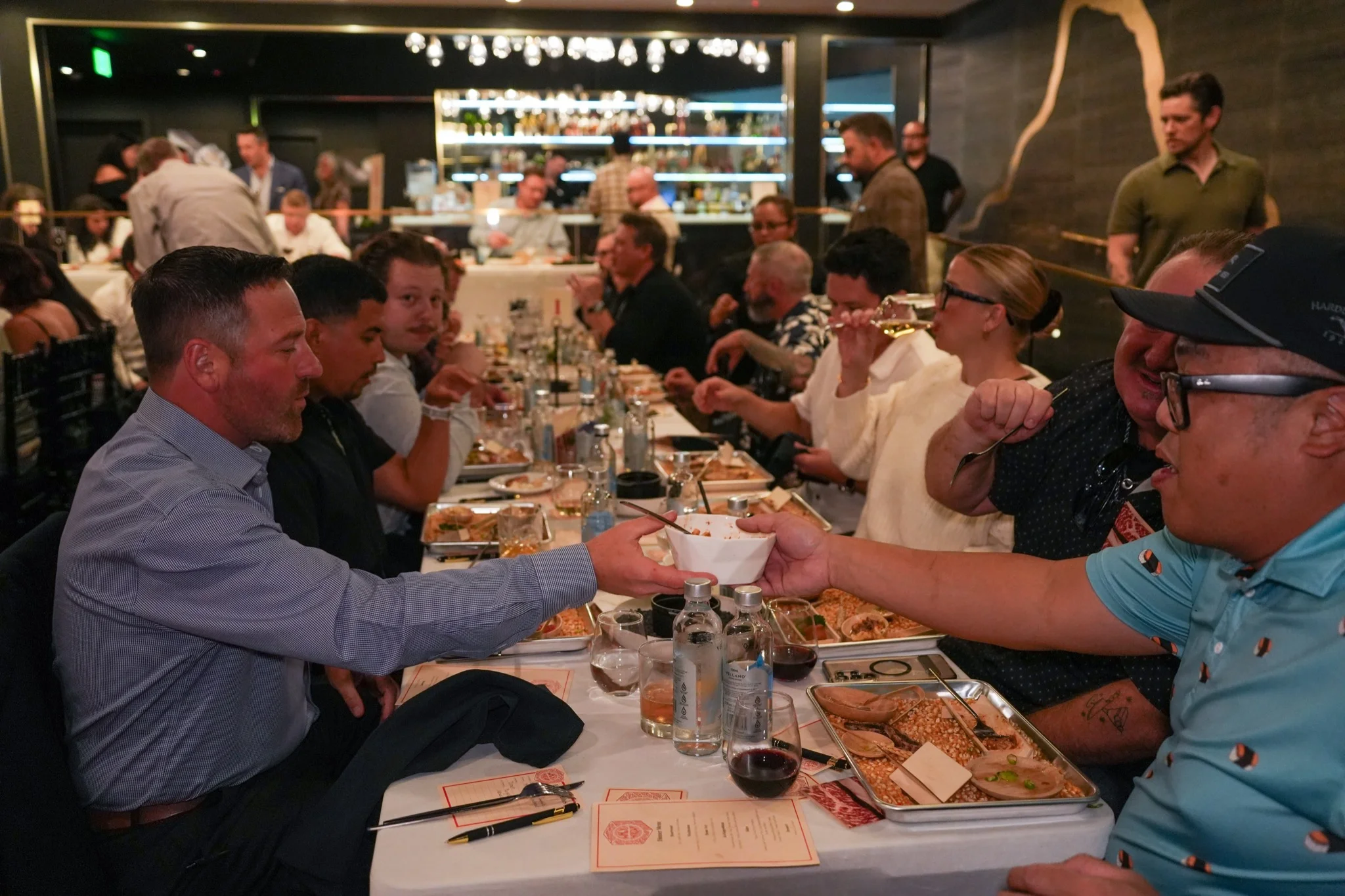
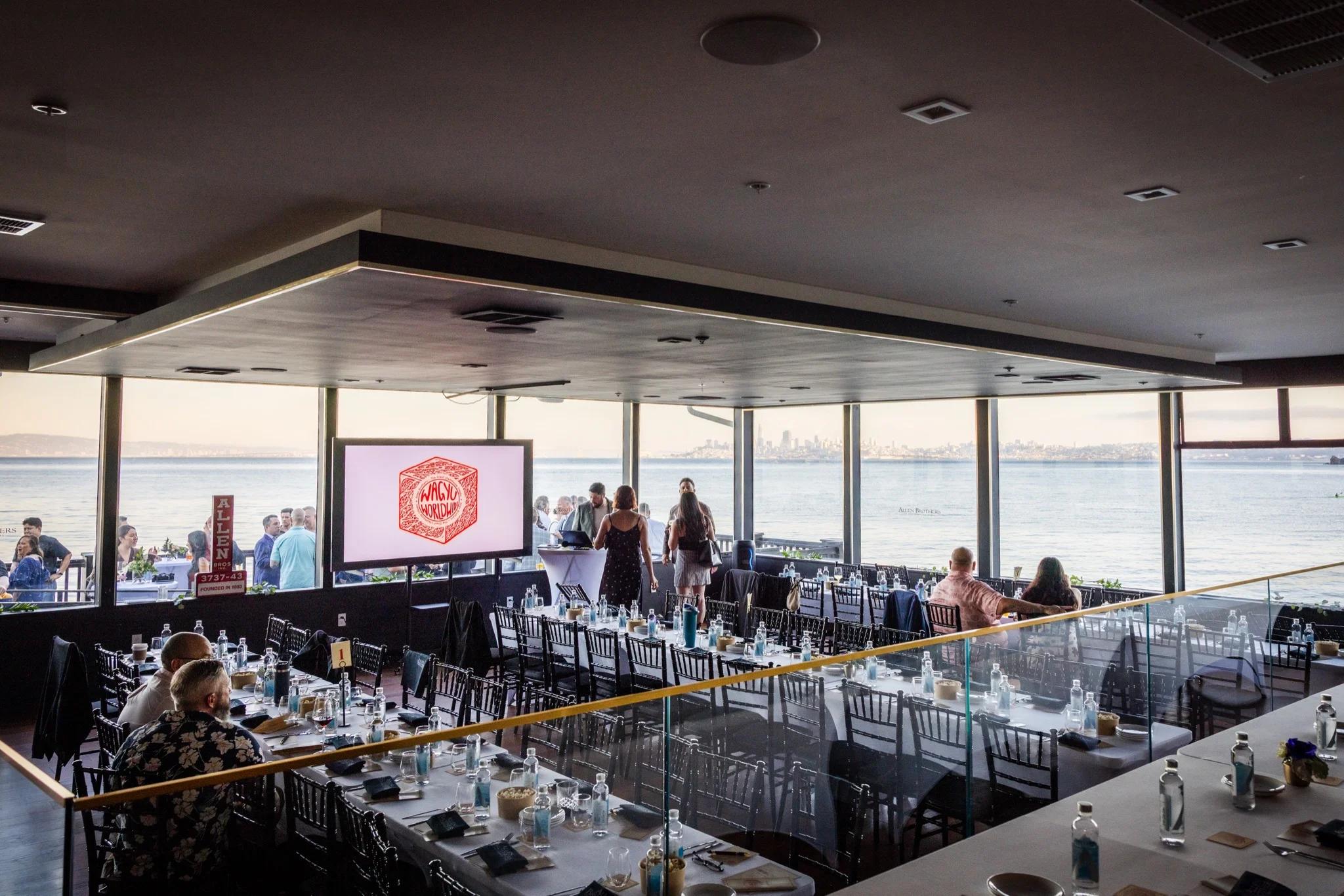
A seated tasting needs clear presentation sightlines and enough table space for its sequence. A walk-around showcase needs a simple route, concise product labels and time for individual questions. Make dietary information easy to find and agree how alternatives will be served. Coordinate beverage service with ERIA, including thoughtful alcohol-free choices, so the whole menu feels considered.
Make the brand visible without crowding the experience
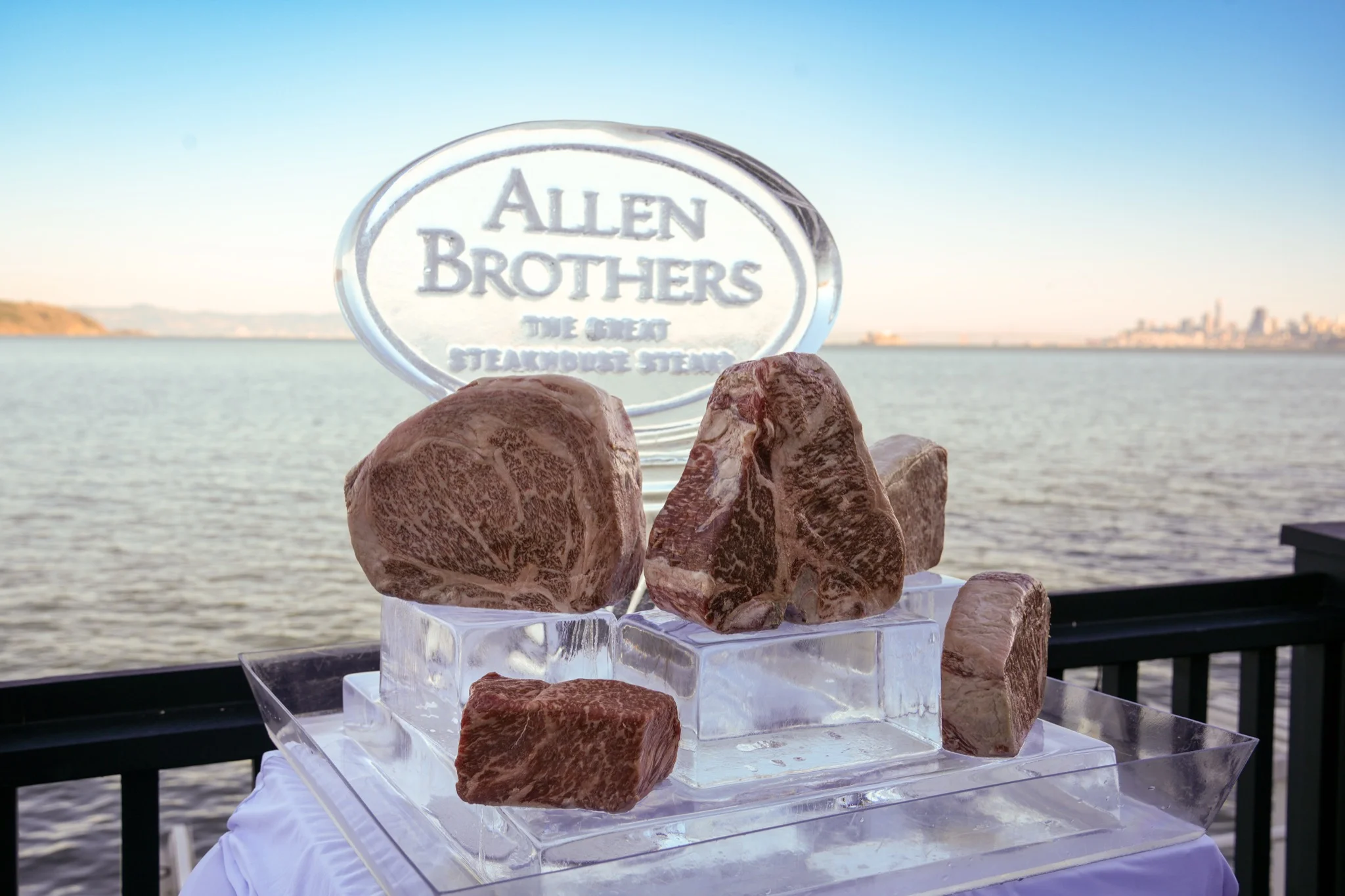
Use a few well-placed details: a welcome display, a clean presentation deck and a menu guests can take away. Agree installation, removal and photography needs in advance. After the tasting, offer a clear way to request product information or arrange a follow-up. Send ERIA your audience, preferred date and culinary concept for a custom quote that brings the production and hospitality together.