Founder Journal · November 15, 2026 · Nikita Khandheria · 5 min read
People sometimes tell me they can see my personality in an event. I love hearing that, particularly when the events themselves look completely different. One might be a corporate gathering, another a wedding, another a private birthday. The connection lives in the way we have approached them.
On The Reluctant Entrepreneur, I described that quality as childlike curiosity. I want to ask what else might be possible, what would make someone smile, and what could help this occasion feel unmistakably theirs.
That is a more interesting creative signature to me than owning a particular colour palette. A style can begin with a way of paying attention.
A repeated object can become a shortcut
There is nothing wrong with having favourite materials or a strong visual point of view. They can help a body of work feel coherent. The difficulty comes when those preferences start answering questions before we have asked them.
If every event receives the same treatment, the host may end up fitting into the designer’s habits. A recognisable look can become so dominant that the occasion itself has less room to speak.
I would rather begin with the people and allow the design to respond. What do they find beautiful? What do they find funny? What would feel unexpectedly right for them? Those answers can lead to very different rooms while still reflecting the same care.
A designer’s taste should help interpret the brief. It should not make the brief unnecessary. I want clients to feel that there is a strong point of view at work and that their own personality has somewhere to live within it.
Recognise the decisions underneath the result
When I look at an event, I am interested in the choices that gave it character. Someone decided to make the arrival feel informal. Someone chose an unexpected activity because it belonged to the group. Someone allowed a small, personal detail to become the evening’s favourite conversation.
Those choices can create a recognisable approach across different aesthetics. A company might be known for thoughtful hospitality, playful discoveries or a willingness to explore an unusual idea. Guests can feel those qualities without encountering the same centrepiece twice.
In my own work, I return to the question of whether the time feels well spent. That question can produce a lively evening or a quieter one. It can lead to a dramatic concept or a detail that only a few people notice. The consistency comes from what we are trying to give the guest.
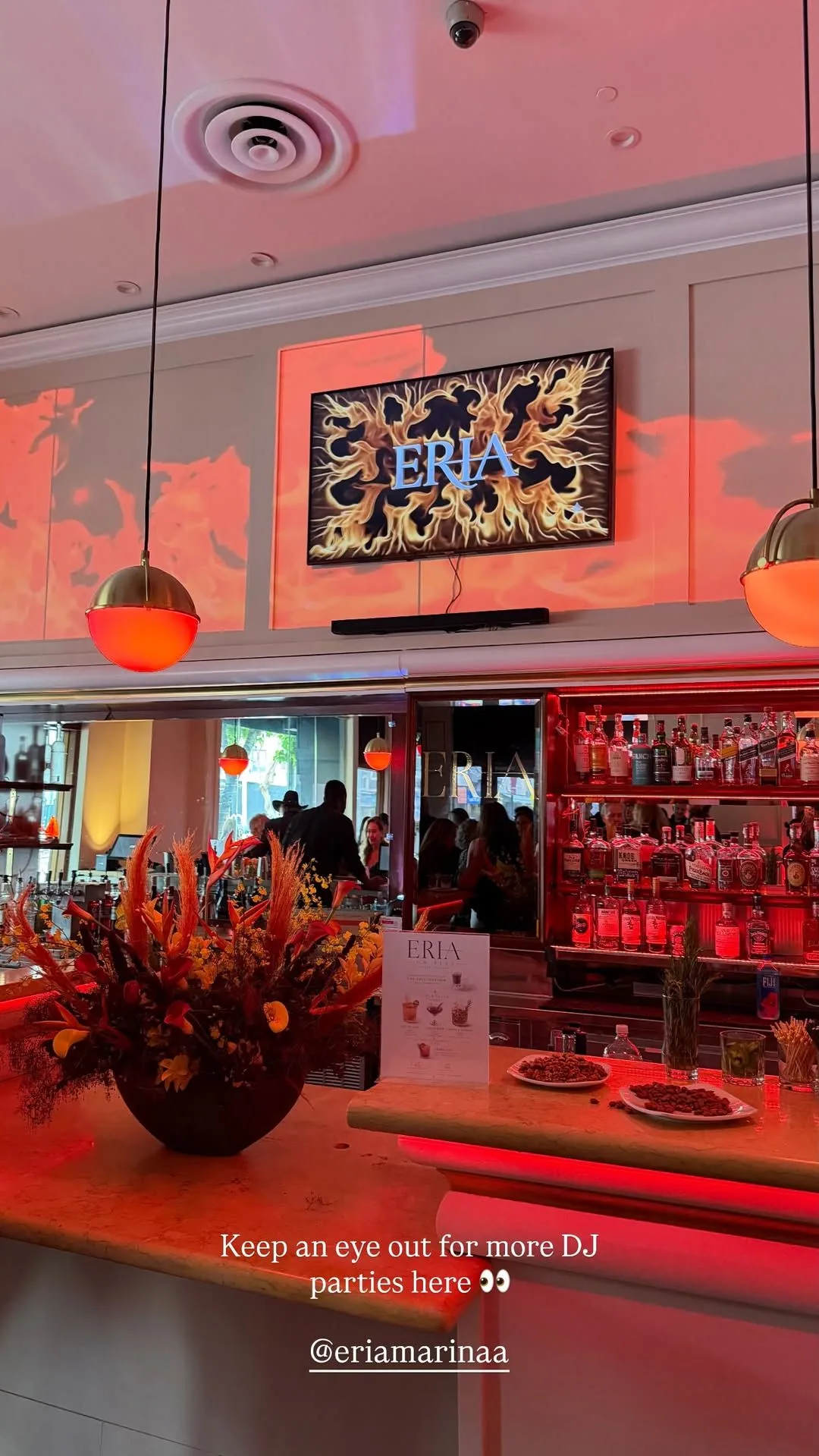
The range in ERIA’s portfolio is useful to view in that way. Look beyond the individual decorative elements and consider the relationship between the occasion and the experience created for it.
Allow the host to surprise the designer
A creative collaboration becomes more interesting when the host brings something we would not have chosen on our own. An unusual interest, a favourite place, a family habit or a peculiar sense of humour can open a direction that a standard brief would miss.
I want to stay receptive to that material. If I am too attached to demonstrating a signature look, I may fail to notice the idea that would make this particular event special.
There is also a useful humility in allowing the brief to change the result. Experience gives a planner judgment, but it does not give us complete knowledge of another person. The host knows things about their relationships that no amount of aesthetic confidence can replace.
Imagine a client who prefers a playful, colourful celebration when the original reference images suggest restraint. The conversation should follow the person’s real enthusiasm. We can bring coherence and intention to that enthusiasm rather than quietly editing it out.
Make the promise clear enough to travel
The signature I want people to recognise is a willingness to care about the occasion in detail. It includes curiosity, delight and the practical work that allows an idea to become a good experience.
That leaves room for growth. We can discover new suppliers, new approaches and new ways to use a space without losing the reason the work feels like ours. A fixed collection of props would give us less freedom.
It also gives a client a more useful expectation. They can come to ERIA’s planning team knowing that we will take their ideas seriously and consider how the whole evening fits together. They do not need to want an exact copy of something they have already seen.
I enjoy having a point of view. I enjoy it even more when that point of view helps someone express something that belongs to them. If two events look different but both make their hosts feel recognised and their guests glad to be there, the signature has travelled perfectly well.
Explore all planning guides → Sausalito celebrations →
Plan With ERIA
Ready to bring this to life?
Tell us what you are planning. Our team will help you shape the experience from first idea to final detail.
Start a Conversation
