Event Planning · November 16, 2026 · ERIA Events · 7 min read
A dessert table has two lives. First, it is a finished display that invites photographs and gives the room a focal point. Later, it becomes a place where guests choose food, staff replenish plates and the host hopes everyone receives something they can enjoy.
Planning both stages produces a table that feels considered from the first photograph to the final serving. The design needs a visual rhythm, and the service needs a clear sequence. Those decisions belong together before the cake and stands arrive.
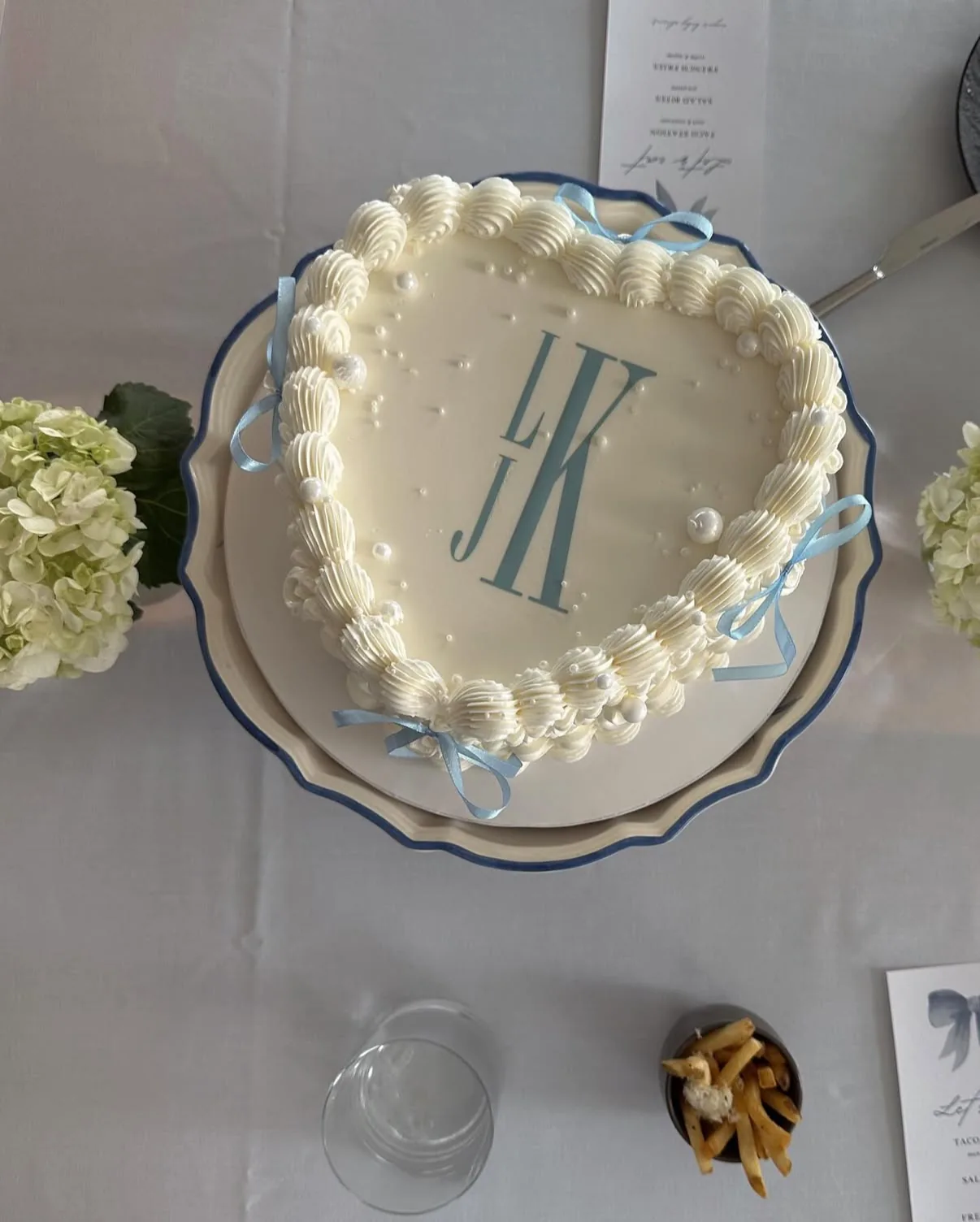
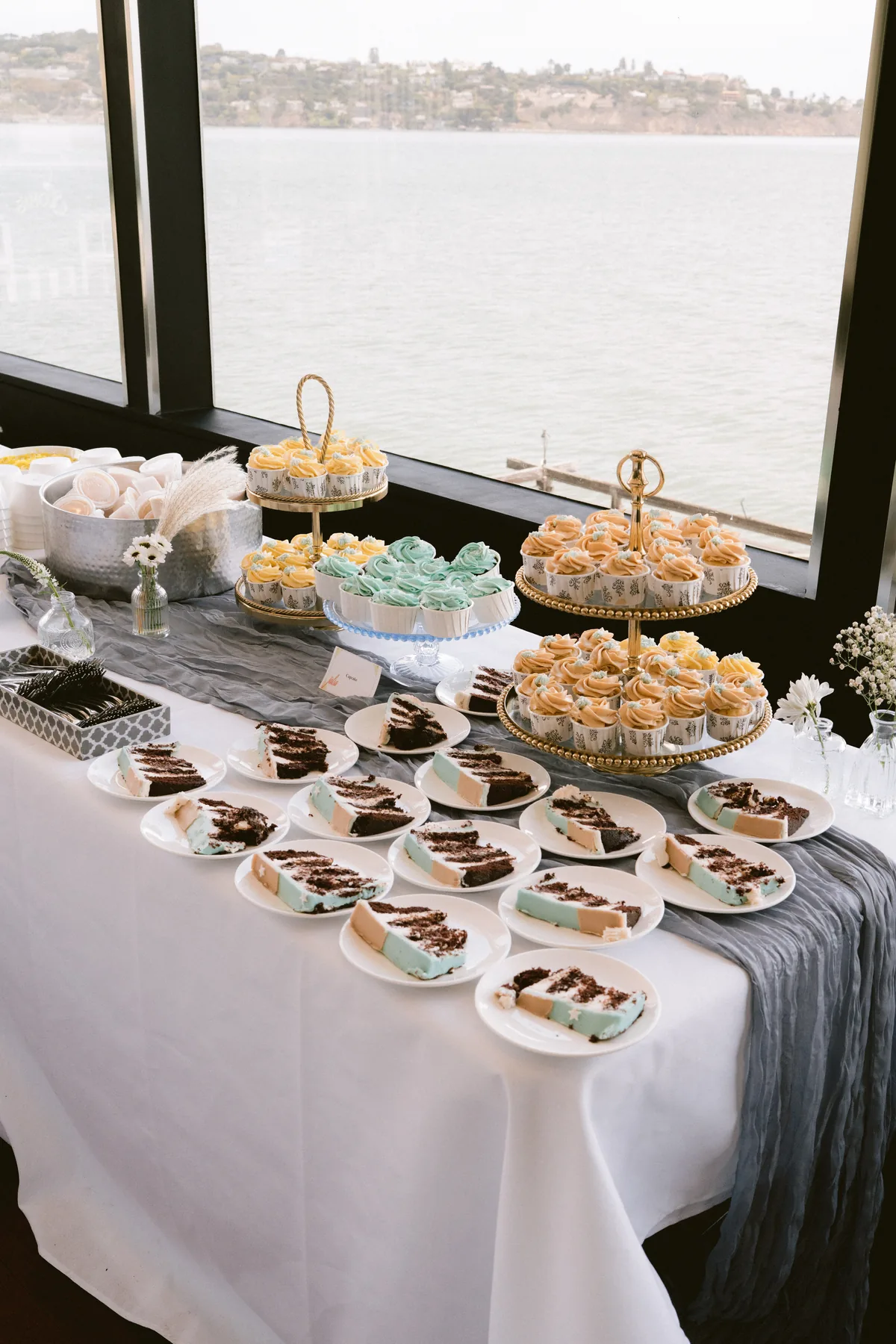
The photographs in ERIA’s cake and dessert inspiration gallery offer a useful starting point. One baby shower display places individual cake slices toward the front of the table, with cupcakes on raised stands behind them. The mix of heights gives the arrangement interest while the plated slices make a serving choice visible. Your own layout should be developed around the desserts, room and service team you book.
Decide how guests will receive dessert
Begin with the serving format. Will staff bring dessert to seated guests, assist at a display or invite guests to help themselves? Will there be a ceremonial cake cutting before service begins? Each choice changes what the table must support.
For table service, the display may primarily hold the intact cake and selected decorative elements, while plating happens in an agreed service area. For a staffed dessert table, allow space for the person serving and the equipment they need. For self-service, consider how guests identify choices, collect plates and move away without reversing through the queue.
Discuss the format with the caterer and venue before choosing the display furniture. A narrow decorative table may be lovely for a cake photograph and unsuitable for the full selection, plates and service work you expect it to hold.
Put the table where people can pause
Look at the room’s movement at the moment dessert will be served. Guests may be leaving dinner tables, approaching a dance floor or gathering for a photograph. Position the dessert display so those activities can coexist.
Review the proposed location on the floor plan with the venue. Keep the agreed routes to entrances, exits and service areas clear. Allow for chairs being pulled out and guests standing together, rather than measuring only the empty space between furniture.
A waterfront backdrop may be visually appealing, but the baker and caterer should confirm whether the proposed location meets the desserts’ handling and display requirements. Ask the photographer about light and framing separately. The best position is one the full team can use successfully.
For a Sausalito baby shower, consider the dessert table alongside the gift area and any activity station. Giving each a clear place helps guests understand the room without clustering every attraction near the entrance.
Arrange height around access
Stands and varied platter heights can make a display feel generous and composed. Their placement also determines which items guests or staff can reach comfortably.
In the ERIA baby shower photograph, cupcakes appear on raised stands behind lower plates of cake. The visual lesson is the relationship between levels: taller elements create a backdrop, while lower items bring detail toward the viewer. For your event, check how the service team will reach and replenish every part of the arrangement.
Ask who supplies the stands and whether they suit the desserts and planned use. Confirm their dimensions, placement and return arrangements. The baker or caterer should approve the presentation equipment relevant to their food.
Leave room between decorative objects and serving areas. A display can be beautifully full while still allowing someone to lift a plate without brushing flowers, ribbon or the cake itself.
Give each serving item an obvious place
Think through a guest’s actions in order. They approach, see what is offered, collect what they need and move away with their dessert. Place plates, cutlery and napkins where they support that sequence.
For an illustrative setup, plates might sit at the start of the agreed service direction, with dessert choices following and napkins available at the end. The real arrangement depends on the table, staffing and menu; it should be checked with the caterer rather than treated as a universal formula.
If coffee or another drink is served nearby, consider its own queue. A guest waiting for a hot drink should not inadvertently block everyone choosing dessert. Ask the team whether separate stations or table service would work better in the room.
The private-event menu and service guide can help connect dessert to the rest of the meal instead of treating it as an isolated display.
Coordinate ingredient information through the food providers
Give the baker and caterer the dietary requirements collected for the event through an agreed process. Ask how they will communicate ingredients, preparation practices and any limitations to guests who need that information.
Decide what labels should say and have the responsible food provider approve the wording. Decorative labels are useful only when their information is accurate and belongs to the item beside them. If several vendors contribute desserts, identify who confirms each description and who keeps the labels correctly placed during service.
Where a guest has a specific requirement, agree with the provider how that guest will receive the intended dessert. A separate arrangement may be appropriate, but the provider must explain what it can accommodate. Hosts should not add assurances about allergens or preparation that the food team has not confirmed.
Plan the photograph and the change to service
Tell the photographer when the table is expected to be complete. Coordinate that moment with vendor access and the time the baker or caterer has approved for display.
If the intact cake is part of the design, decide when it will be cut, who performs the ceremonial moment if there is one, and who handles the actual portioning. Confirm whether the cake stays in place or moves to an agreed work area.
The table may need a small reset afterward. A stand that held the cake might be removed, plated portions may take its place and decorative items may be repositioned. Assign that work to a named person within their agreed scope. It should not depend on the host noticing that the display needs attention while guests are waiting.
Give replenishment and cleanup an owner
Ask the caterer how dessert will be replenished and who watches the table during service. Confirm where additional portions and necessary equipment will be kept, following the food provider’s requirements and the venue’s arrangements.
Agree on the treatment of empty platters, used plates and serving utensils. A table that begins beautifully can quickly feel neglected if no one is responsible for maintaining it.
At the end of the event, confirm who collects stands, packs decorative pieces and handles any remaining food under the provider’s instructions. Record rental returns and the person responsible for them. These small tasks are easier to manage when they have an owner before the party begins.
Dessert table questions
Can a cake and several small desserts share one table?
Yes, that can be the design brief. Confirm the table dimensions, equipment, quantities and service format with the baker, caterer and venue so the arrangement has enough usable space.
Should we choose the display before ordering desserts?
Develop them together. The desserts determine serving and equipment needs, while the room determines where the table can work. Finalize both with the responsible providers before ordering rentals.
What should the baker and venue confirm before delivery?
Confirm the delivery window, receiving contact, display location, required equipment, handling instructions and serving responsibilities. Use one agreed plan so the delivery team and event staff know what happens next.
Explore all planning guides → Sausalito celebrations →
Plan With ERIA
Ready to bring this to life?
Tell us what you are planning. Our team will help you shape the experience from first idea to final detail.
Start a Conversation