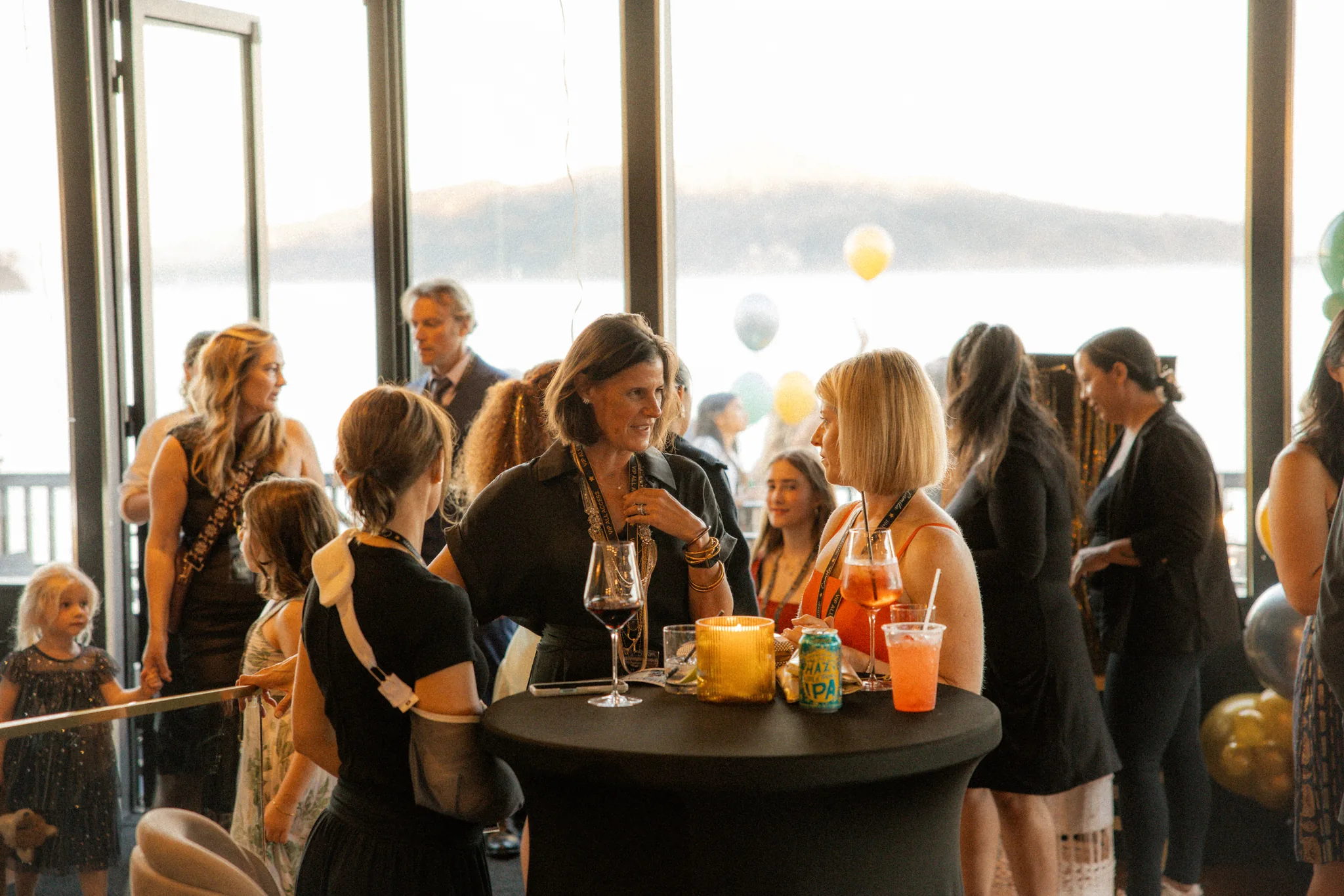
Event Planning · November 16, 2026 · ERIA Events · 7 min read
A cake photograph can make you certain about a feeling before you know how to describe it. Perhaps you love the delicate piping, the height of the silhouette or the way one color appears throughout the table. The next step is translating that response into a brief a baker can work with.
A useful brief explains the decisions behind the inspiration. It gives the baker room to recommend a design that suits the event, while making your priorities clear enough that the finished cake feels connected to the celebration you imagined.
Begin with the real event photographs in ERIA’s cake inspiration gallery. Collect the images that appeal to you, then identify what each one contributes. The result should be a small, coherent set of choices that the baker, host and event team can understand.
Name the detail that made you save the photograph
Look at each image separately and complete one sentence: “I like this because...” Try to be specific enough that someone could understand the answer without seeing your full inspiration collection.
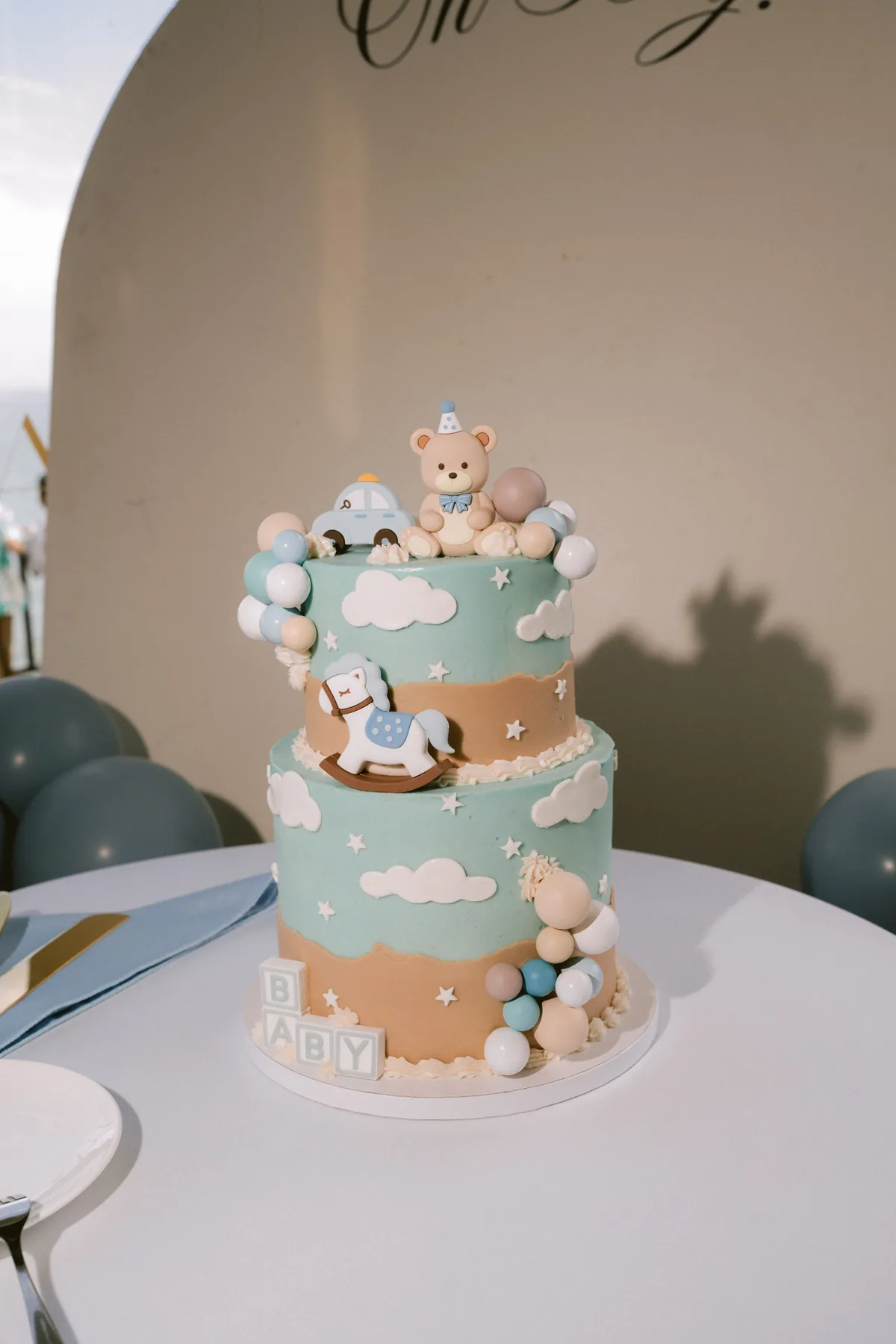
The white cake in ERIA’s gallery combines a piped border, pale blue ribbon bows and a blue monogram. Those details could suggest a brief about soft color, personal lettering and an ornate edge. The pastel baby shower cake uses clouds, stars, rounded decorations and a teddy bear topper, suggesting a more playful approach to shape and storytelling.
A person could love both images for different reasons. The brief needs to explain which details belong together in the final design. You might want the restrained palette of the first image and the playful character of the second, without carrying every element across.
Describe visible features rather than guessing ingredients or construction. A photograph can show texture and color; the baker should explain the materials and techniques suitable for achieving the desired effect.
Decide what role the cake has at the event
Will the cake be the main dessert, one element in a larger dessert selection, or the focus of a planned cutting moment? That choice affects the conversation about size, portions and presentation.
Share the expected guest count and the broader menu with the baker. Ask how the proposed design relates to the number of portions you need and how those portions will be served. Avoid estimating servings from the apparent size of a cake in a photograph.
Also explain where the cake sits in the schedule. A baby shower might gather guests briefly for photographs before dessert. An anniversary dinner may serve cake at the table after a toast. A wedding may have a separate cutting moment followed by service elsewhere in the room.
For a baby shower at ERIA Sausalito, connect the cake brief to the meal and activities already planned. The cake should have a clear place in the afternoon, with someone responsible for the transition from display to service.
Build a palette with a clear order
“Blue and white” can produce many different designs. Tell the baker which color should lead, which should support it and where you imagine a small accent.
Use the actual invitation, linen swatch or other approved event detail as a reference where possible. Screen images can look different from one device to another, so ask the baker how they handle color interpretation and what form of approval they can offer.
Be equally clear about finishes. Do you like a smooth surface, visible piping, a painted effect or a cluster of sculptural details? Identify the feature that gives the cake its character. If several references suggest incompatible finishes, ask the baker to show how they would resolve them into one design.
A focused palette can connect the cake to flowers, menus and linens without requiring every object in the room to match exactly.
Separate essential details from flexible choices
Mark the elements that matter most. A particular monogram, a favorite animal or a meaningful phrase may be central to the occasion. The exact placement of a decorative flourish may be something you are happy for the baker to decide.
Check all lettering carefully. Provide the final spelling, initials, punctuation and any date in one place. If you are using a monogram, identify the intended arrangement rather than assuming the baker will infer it from a name.
Give the baker a budget range and ask how different design choices affect the proposal. A useful conversation might explore which detail carries the most visual impact and which can be simplified while preserving the idea. Compare the complete design and scope, including any delivery, setup or rental arrangements, rather than a photograph and a headline price.
Use a short brief that answers practical questions
An illustrative brief for a baby shower could read as follows:
“We would like a soft white cake with pale blue accents and a personal monogram. We like the piped border in the first reference and the gentle, playful mood of the second. The monogram and palette are our priorities; we would appreciate your recommendation on the shape and decorative details. The cake will be served alongside other desserts. Please advise on portions, flavor options, delivery and the presentation requirements for our event.”
That is a sample creative brief, not an ERIA product description or cake offering. A real inquiry should also include the date, venue, expected attendance, budget, dietary requirements and the time the cake must be ready for its planned moment.
Keep the reference images labelled with a sentence about each. This makes the brief more useful than a message containing several photographs and “something like this.”
Agree on the cake’s surroundings
A cake is photographed with whatever sits around it. The table, stand, backdrop and nearby objects can change the impression of the design.
Share the proposed display location with the baker and event team. Confirm the dimensions and suitability of the table and stand, who supplies them and who is responsible for placement. Ask the baker to specify any delivery, handling, storage and display requirements for the finished cake.
If flowers, toppers or decorative pieces come from another vendor, identify who approves them and who places them. A decorator should not arrive with an unconfirmed addition and assume the baker has designed for it.
Our dessert table layout and service guide covers the surrounding arrangement, including access and the move from photographs to serving guests.
Confirm the final version in writing
Bring the agreed design, lettering, flavors, portions and delivery arrangements into one final record. Include the approval and payment deadlines supplied by the baker, plus the named person who receives the delivery and answers event-day questions.
Ask how changes will be handled after approval. If the guest count or menu changes, tell the baker promptly so they can explain the effect on the plan. The host and event team should work from the same final version.
The best brief leaves room for skilled interpretation while protecting the details that make the cake yours. That combination gives the creative work a clear direction and the event team a practical plan.
Cake design brief questions
How many inspiration images should I send?
Send a small selection that communicates distinct choices, with a short explanation of each. Remove images that add conflicting directions without contributing a priority you actually want.
Can a baker reproduce a cake exactly from a photograph?
Ask the baker what they can offer. Treat photographs as references for a design discussion, and agree on the proposed interpretation, materials and final scope before committing.
Should the cake be ordered before the event layout is final?
You can begin the design conversation early, but coordinate the display location, serving plan and delivery needs before final approval. The cake, table and event schedule should work together.
Explore all planning guides → Sausalito celebrations →
Plan With ERIA
Ready to bring this to life?
Tell us what you are planning. Our team will help you shape the experience from first idea to final detail.
Start a Conversation