Event Planning · November 16, 2026 · ERIA Events · 7 min read
A good bar or bat mitzvah party timeline gives the family room to enjoy a milestone they have spent months preparing for. Guests know where to go, the meal arrives when it is expected, and meaningful moments receive the attention they deserve. The young person being celebrated can spend time with friends without repeatedly being called away for another announcement.
At ERIA, the party plan begins with the family’s priorities. A celebration centered on dancing will have a different rhythm from a long family dinner. Both can include tradition, recognition and generous hospitality when the schedule makes those choices deliberate.
Keep the religious service or ceremony timeline separate from the party schedule at first. The family should establish those requirements with its religious team, then share the confirmed timing and relevant needs with the event team. The party should fit the family’s observance, including any timing restrictions, rather than determine it.
Choose the moments that deserve everyone’s attention
Before assigning times, make a short list of the moments that need the room together. These might include a welcome, a meal, family remarks, a presentation the young person wants to share or a particular dance-floor moment. The family decides which traditions and acknowledgments belong in its celebration.
Ask the young person which parts they are most excited about and which would make them uncomfortable. A surprise slideshow may sound lovely to relatives and feel very different to the person whose childhood photographs are about to fill a screen. Agree on the broad plan and the limits of any surprises.
Give each shared moment a purpose. Two speeches that express the same sentiment can become one more thoughtful contribution. A long list of acknowledgments may work better in a printed note or a quiet personal thank-you. Protecting attention helps the important moments land.
Separate guest time from production time
The hours printed on the invitation are only part of the event schedule. Deliveries, installation, sound checks, catering preparation and vendor removal need their own confirmed windows.
Ask each vendor what must happen before guests arrive and how much access that work requires. A DJ may need time to position equipment and check sound. A photographer may want the finished room before guests enter. Catering setup may depend on rental deliveries arriving in a particular order.
Put those dependencies into one production schedule, with a named contact for each handoff. Confirm the venue’s access times and any restrictions before vendors make plans. “Ready by the start” is too vague when several teams need the same doorway or work area.
Guest departures and vendor removal also need separate attention. A final song should not coincide with someone taking down a display behind the guests of honor.
Allow for the journey between locations
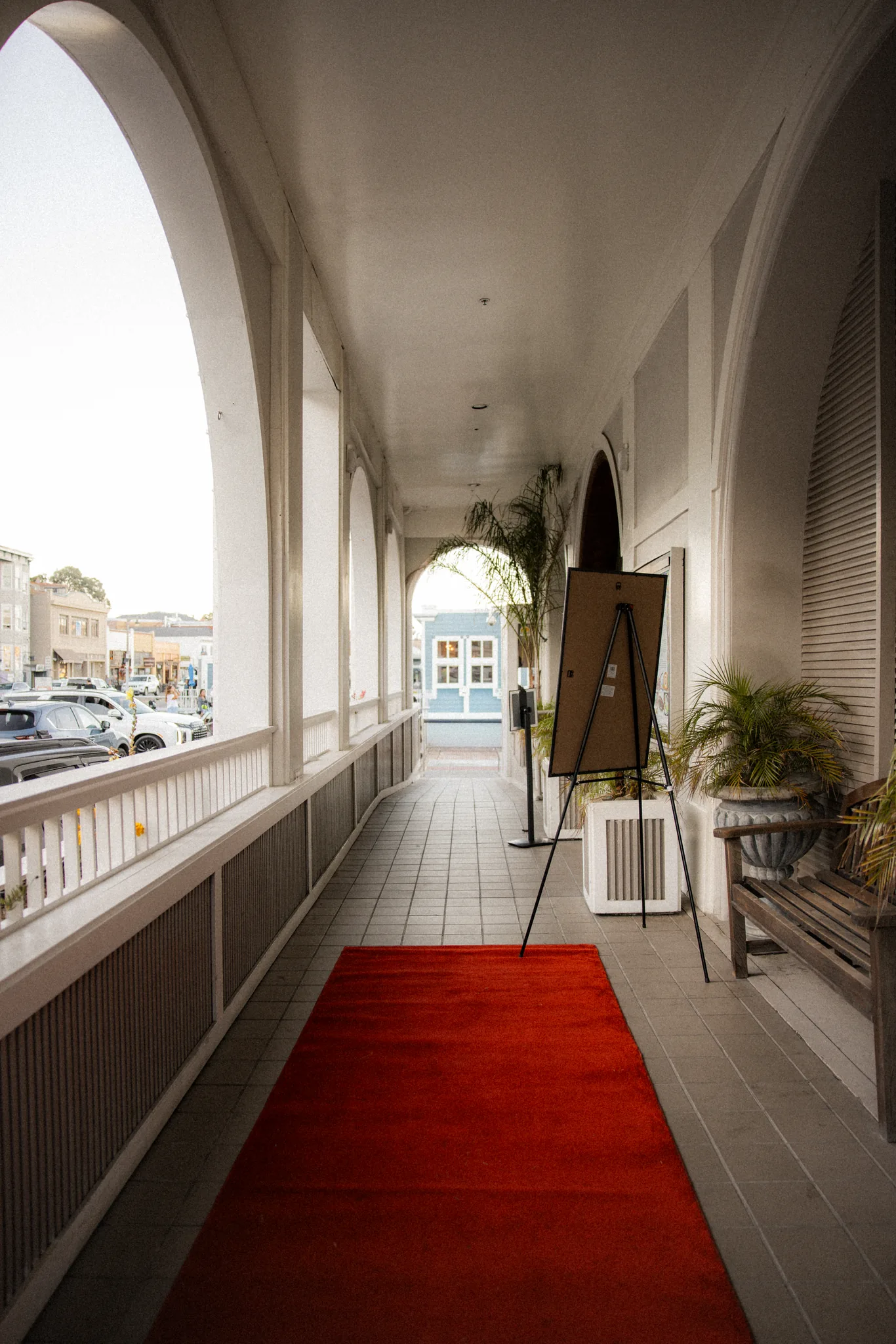
If guests are coming from a service or ceremony elsewhere, build the arrival plan from confirmed information. Account for the family’s photographs, the time needed to leave the first location and the travel arrangements guests will actually use.
Avoid making a precise travel promise based on one map estimate. Send the correct event address, entrance instructions and current parking or drop-off guidance. ERIA’s arrival information provides a starting point; the host should share any arrangements specific to the booking.
Decide how early arrivals will be welcomed and who will greet guests while the family is still in transit. If the party has a formal start, say whether the invitation time is for arrivals or the beginning of a seated program. That distinction helps guests plan and keeps the family from waiting anxiously for a room to settle.
Build an illustrative guest schedule
The following four-hour sequence is an example for discussion, not an ERIA package, permitted-hours statement or religious schedule. The family and event team would adapt every stage to the actual meal, observance, guest needs and booking.
- 5:00–5:35: Arrival and welcome. Guests check in, find refreshments and settle into the room. Informal photographs happen without delaying the whole group.
- 5:35–5:45: Brief shared opening. The host welcomes everyone and introduces any family-selected recognition that belongs here.
- 5:45–6:35: Dining. The caterer follows the agreed service sequence. Conversation and any suitable background music remain the focus.
- 6:35–6:50: Family moment. A small number of prepared remarks or another chosen contribution brings the room together after a service cue.
- 6:50–8:20: Dancing and optional activities. Guests can move between the dance floor, conversation and approved activity areas. Dessert is served at the agreed point.
- 8:20–9:00: Final celebration and departures. A planned final moment leads into clear pickup arrangements, goodbyes and the collection of belongings.
Notice that the example does not assign an activity to every minute. The opening gives late arrivals some breathing room. The longer social period can absorb a small delay. Departures have their own place rather than beginning after everyone expected to leave.
Coordinate recognition with food service
The caterer and event lead should agree on when the room is ready to listen. A speech that begins while hot plates are being served forces guests and staff to divide their attention.
For a plated meal, discuss where a natural service pause can occur. For a buffet or stations, allow guests to receive food and settle before asking for silence. If teens and adults have different menu arrangements, coordinate them so one group is not waiting through a program while the other eats.
Give speakers a clear limit and a specific cue. One designated person should tell them when to be ready and signal the start. Avoid passing the microphone around indefinitely unless that open format is a considered choice that fits the schedule.
Our mitzvah catering questions guide covers the service details to settle before the timeline becomes final.
Place photographs where they fit the day
Create a short list of the family combinations that matter most and discuss it with the photographer. Agree on when those photographs will happen, where relatives should gather and who will help locate people.
A photograph involving the entire extended family takes coordination. Do not insert it casually between two tightly timed activities. Equally, avoid asking the young person to leave the dance floor repeatedly because separate groups have just decided they want a picture.
Room photographs and detail shots can often be planned before guests arrive, subject to setup and access. Guest privacy preferences and any restrictions on sharing images should be communicated to the photography team in advance.
Give the event lead permission to adjust
A useful schedule identifies what is fixed, what can move and what can be shortened. Venue hours, vendor commitments, pickup arrangements and family observance may create firm boundaries. An optional activity or the length of a welcome may offer flexibility.
Choose one person to make routine timing decisions during the party. That person should know when a change requires the family’s input and when they can simply keep the evening moving. Share the final version with vendors and remove superseded copies from the working conversation.
For inspiration, the approved story of Camila’s Hollywood Bat Mitzvah describes a celebration shaped around her wish to dance. Its useful lesson is the clarity of that priority: the surrounding moments supported the experience she wanted.
Bar and bat mitzvah timeline questions
Who sets the timing of religious elements?
The family should confirm those details with its religious team and communicate the resulting requirements to the event team. The party schedule can then be built around them.
How much time should we leave for speeches?
Choose the speakers and content first, then agree on a realistic combined length. Give each person a clear brief and coordinate the timing with meal service.
What happens if dinner runs late?
The event lead should use the agreed flexible portions of the schedule and coordinate with vendors. Identify those options before the party so changes do not require a hurried family meeting.
What should we send ERIA before building the timeline?
Share the date, expected attendance, confirmed service or ceremony timing, meal preference and the moments that matter most. Start your planning inquiry with those details, including any firm arrival or departure needs.
Explore all planning guides → Sausalito celebrations →
Plan With ERIA
Ready to bring this to life?
Tell us what you are planning. Our team will help you shape the experience from first idea to final detail.
Start a Conversation