Founder Journal · November 15, 2026 · Nikita Khandheria · 4 min read
I had assumed that people would want variety in the companies they worked with for their celebrations. A wedding is different from a birthday. An anniversary is different from a family trip. It seemed reasonable that a client might enjoy choosing someone new for the next occasion.
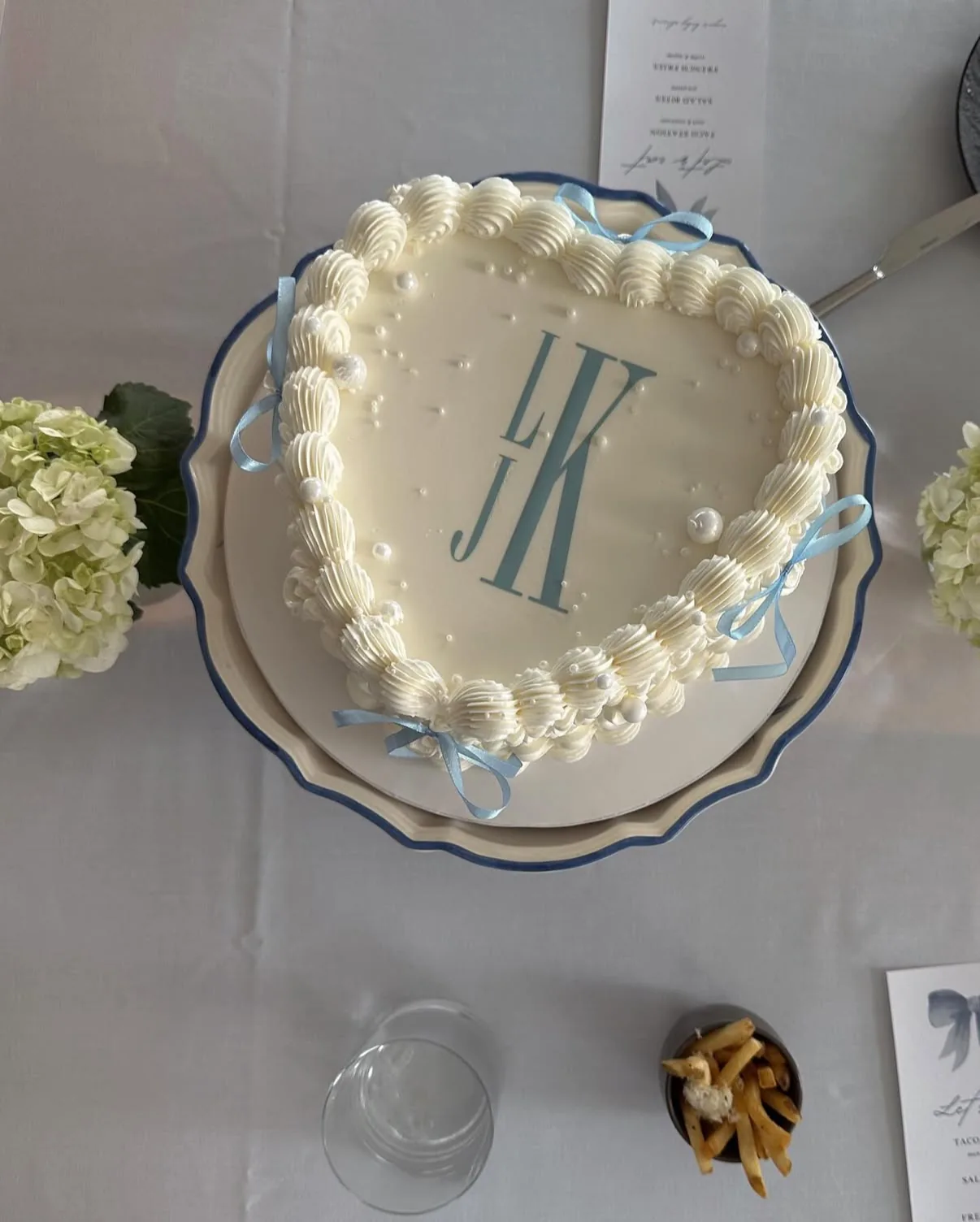
Then a client whose wedding we had worked on asked for an ongoing relationship. He wanted us to continue getting to know his family and help with the occasions ahead. In the interview where I told that story, I admitted that I would not have thought to propose the arrangement myself.
What interested me was the reason underneath the request. The client wanted variety in what he experienced while keeping continuity in the relationship that helped create it. Those are entirely compatible desires. I simply had not separated them clearly enough.
Familiarity can make imagination more useful
Getting to know a client takes work. You learn how they communicate, what they enjoy, what overwhelms them, and which details matter more than they initially realize. You learn how they want their guests to feel and how much involvement they want in the planning.
For a family, there may also be different preferences within the same household. One person enjoys a surprise. Another wants to understand the plan. An occasion can be shared without everyone approaching it in the same way.
An ongoing relationship creates the possibility of understanding those differences more deeply. That familiarity should make the ideas more relevant. It should not become an excuse to repeat the same format because it worked once.
I think that is the distinction a hospitality business has to protect. Remembering a client's preferences is useful. Assuming they will never change is limiting. The relationship should make it easier to ask a better question, rather than deciding that there is no longer anything to ask.
For example, a client who enjoyed a large celebration one year may want something intimate the next. The history helps us understand the change, but the current occasion still deserves its own brief. Continuity does not eliminate the need to listen.
The convenience is partly emotional
There is a practical appeal to working with people who already understand you. You spend less time introducing yourself and explaining every preference from the beginning. But I think the appeal can also be emotional.
Planning an important occasion requires trust. A host is sharing their priorities, their relationships, and sometimes the parts of an event they feel least confident managing. An established relationship can make that conversation easier. You can move more quickly into what matters because the client is not also trying to decide whether they will be understood.
That does not mean trust should become invisible. A company still needs to explain the scope, responsibilities, and arrangements for each occasion. Familiarity is not a substitute for clarity. In fact, clear communication can protect the relationship from assumptions that neither side intended to make.
The client request made me think about repeat business in a more interesting way. It was not simply a desire to purchase the same service again. It was a desire to preserve a relationship while allowing the experiences within it to evolve.
Let clients reveal a useful possibility
One of the reasons I resist overly rigid business plans is that a client can describe a need I have not yet thought to name. If I am too attached to the original shape of the company, I might hear that request as an exception to manage rather than a possibility worth understanding.
That does not mean every request should become a new service. It means the conversation deserves attention. What is the person trying to make easier? What do they value about the existing relationship? Can the business support the request well, and what would it need to clarify before doing so?
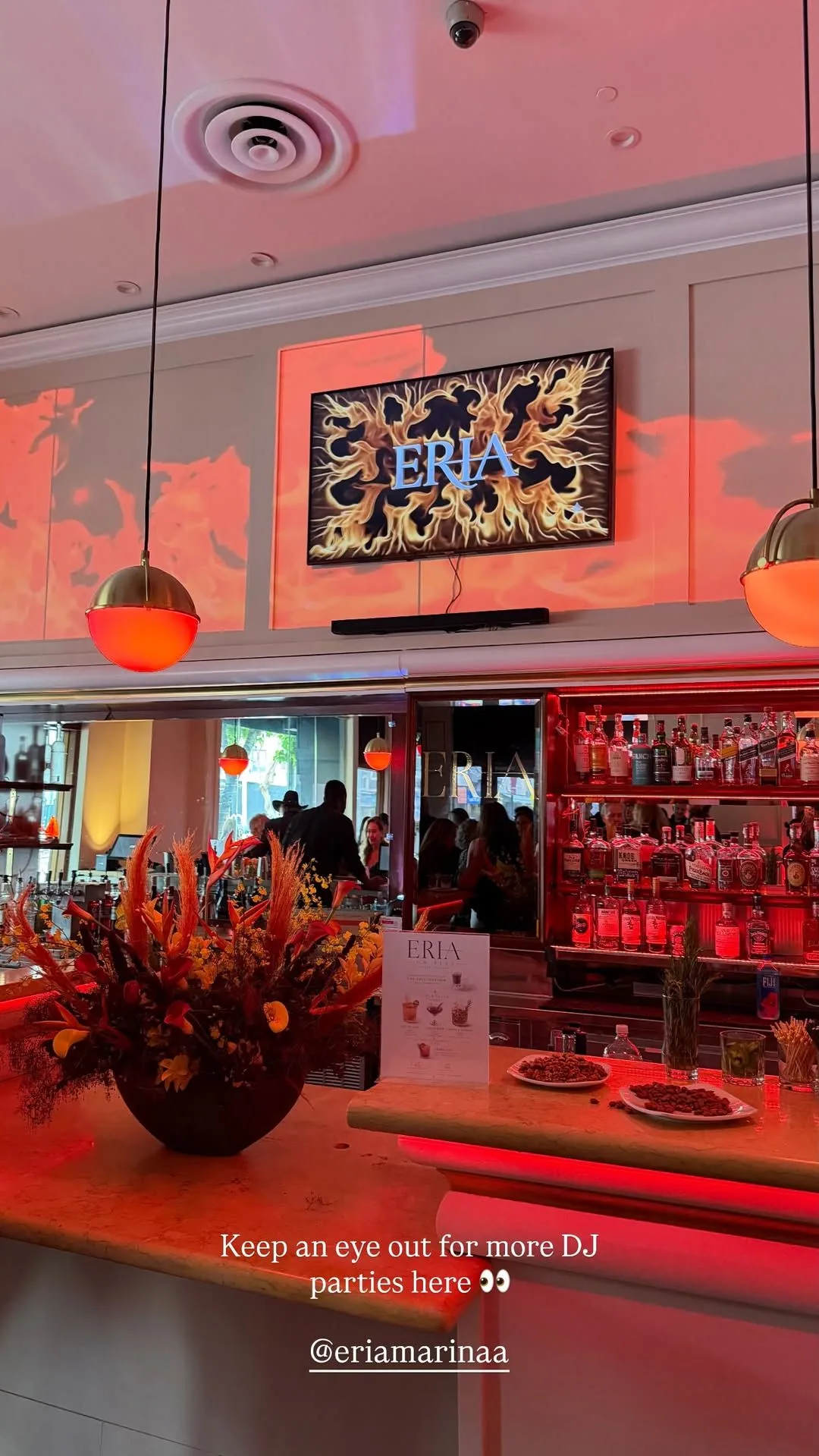
Those questions are relevant to how we think about private celebrations at ERIA. A good event can be the beginning of a longer understanding of the people hosting it. The next occasion may look entirely different while still benefiting from what we learned together.
I like the idea that a client can trust the people and still be curious about the experience. Familiarity does not have to make a celebration predictable. At its best, it gives us a more precise understanding of where a welcome surprise might belong.
Explore all planning guides → Sausalito celebrations →
Plan With ERIA
Ready to bring this to life?
Tell us what you are planning. Our team will help you shape the experience from first idea to final detail.
Start a Conversation