Founder Journal · November 15, 2026 · Nikita Khandheria · 5 min read
A room tells people something before the host begins. A formal arrangement suggests one kind of evening. An open, playful setting suggests another. Guests read those cues almost immediately, often without anyone explaining them.
That is why I find the relationship between an event and its space so interesting. The room is already participating. We can work with what it says, or spend the evening trying to persuade people to behave differently from the setting around them.
When I spoke on The Reluctant Entrepreneur about transforming spaces, I described a Hawaiian celebration and a corporate event where the company’s colours and window graphics changed the feel of the venue. What excited me was the commitment to an idea. The setting became part of the occasion rather than simply the place where it happened.
Describe the behaviour you want to make easy
Before choosing decorative details, I would describe what people should be doing. Are they settling into long conversations? Moving between small discoveries? Watching a performance together? Sharing a meal that feels relaxed and generous?
Those answers help shape the room. A gathering intended for mingling needs comfortable places to pause as well as space to move. A dinner built around conversation needs a layout that supports it. A performance needs a clear relationship between the people presenting and the people watching.
The design should make the intended behaviour feel natural. If guests have to work against the room to enjoy the evening, the most beautiful decorative element will not solve the underlying problem.
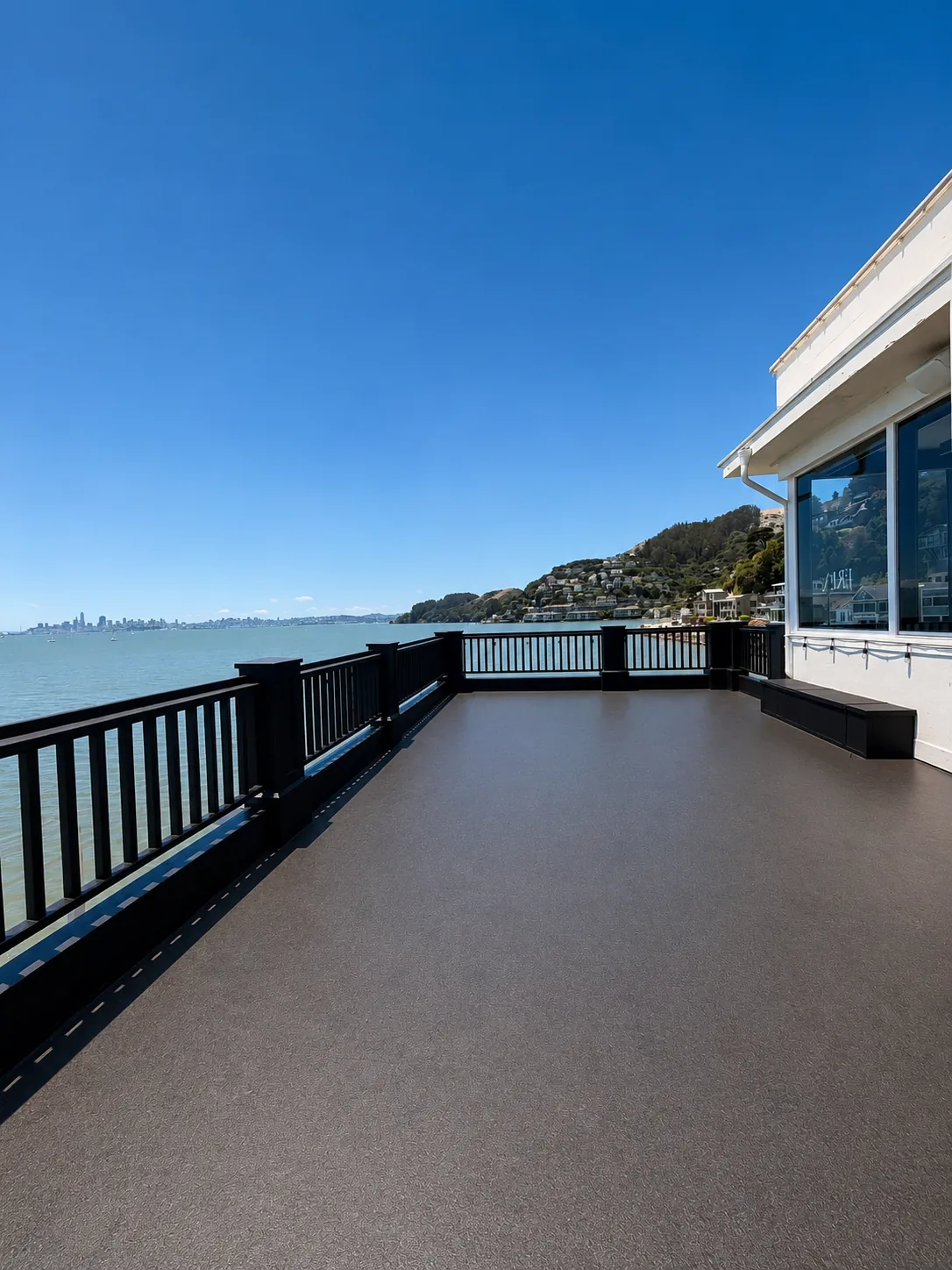
This is part of why viewing a space matters. Photographs help you understand its appearance. Being there helps you imagine the sequence of arrival, movement, conversation and departure. At ERIA Sausalito, for instance, the relationship between the interior and the waterfront setting deserves to be considered as part of the experience, with the actual event arrangements confirmed for the date.
Choose a clear idea and let it travel
A coherent atmosphere does not require every detail to match literally. It requires the choices to feel related. Colour, texture, light, music and service can all express the same intention in different ways.
Imagine an evening meant to feel like an intimate summer gathering. That idea could influence the pace of dinner, the way food is served, the tone of the music and the places people sit. A decorative palm leaf alone cannot carry all of that work.
Equally, a company celebration can express a brand without turning the room into an exhibition stand. The brand’s character might be energetic, precise, warm or irreverent. Colours and graphics can support that character, but the way guests are welcomed and entertained will also shape what they feel.
I like asking whether the idea survives when you remove the obvious label. Would someone still understand the mood? Would the evening still feel deliberate? If the answer is yes, the design has probably moved beyond decoration into something more complete.
Keep the space usable
A dramatic transformation still needs to function as a place where people spend time. Guests need clear routes, comfortable seating where appropriate, and sensible access to the parts of the evening they are meant to enjoy.
The event also has to work for the people delivering it. Service routes, installation, removal and the venue’s requirements are part of the creative conversation. A beautiful object in the wrong place can create a very unglamorous queue.
I would rather understand those constraints early. They help distinguish an exciting concept from a workable one. If an idea involves substantial alterations, unusual materials or specialist production, the details need to be agreed with the venue and the appropriate professionals. A past transformation is a story about that event, not a standing promise that every room can accommodate the same request.
There is still plenty of room for imagination. Constraints often make the design more focused because they require us to decide which elements carry the idea most effectively.
Give the room a reason to be remembered
People may remember a space because it was beautiful. They may also remember how easy it was to talk there, how the setting changed as the evening unfolded, or the moment they realised the host had thought of something particularly personal.
That is what I want a room to support. The design should belong to the people gathering in it. It should give them a clear sense of where they are and enough comfort to stop thinking about the arrangement.
When looking through past ERIA events, I would pay attention to how different occasions use a setting differently. The useful question is what the space allowed those people to do together.
A strong room design makes the intended evening easier to inhabit. Guests enter, understand the atmosphere, find their place, and begin enjoying themselves. The setting has done its first job before anybody needs to explain it.
Explore all planning guides → Sausalito celebrations →
Plan With ERIA
Ready to bring this to life?
Tell us what you are planning. Our team will help you shape the experience from first idea to final detail.
Start a Conversation