Founder Journal · November 15, 2026 · Nikita Khandheria · 5 min read
I am usually the person excited by the unexpected suggestion. An unusual activity, a room transformed around an idea, a small detail with a wonderful joke behind it: I want to explore what it could become.
That enthusiasm is useful at the beginning. It opens possibilities. A finished event also needs judgment, because even a very good idea can belong somewhere other than this particular evening.
When I spoke on The Reluctant Entrepreneur, I described creative experiences ranging from personal dessert details to substantial changes in a space. They were different in scale, but the interesting question was similar. What would this choice give the people who were there?
Ask what the idea is doing
The first test is purpose. An idea may help guests meet, express something about the host, create a shared memory or make an ordinary part of the evening more enjoyable. I want to be able to describe that contribution clearly.
“People will find it impressive” can be a starting point, but I would keep asking questions. Why will they care? What will they do with it? How does it fit the occasion? If the only person excited by the concept is the person presenting it, we may need more information.
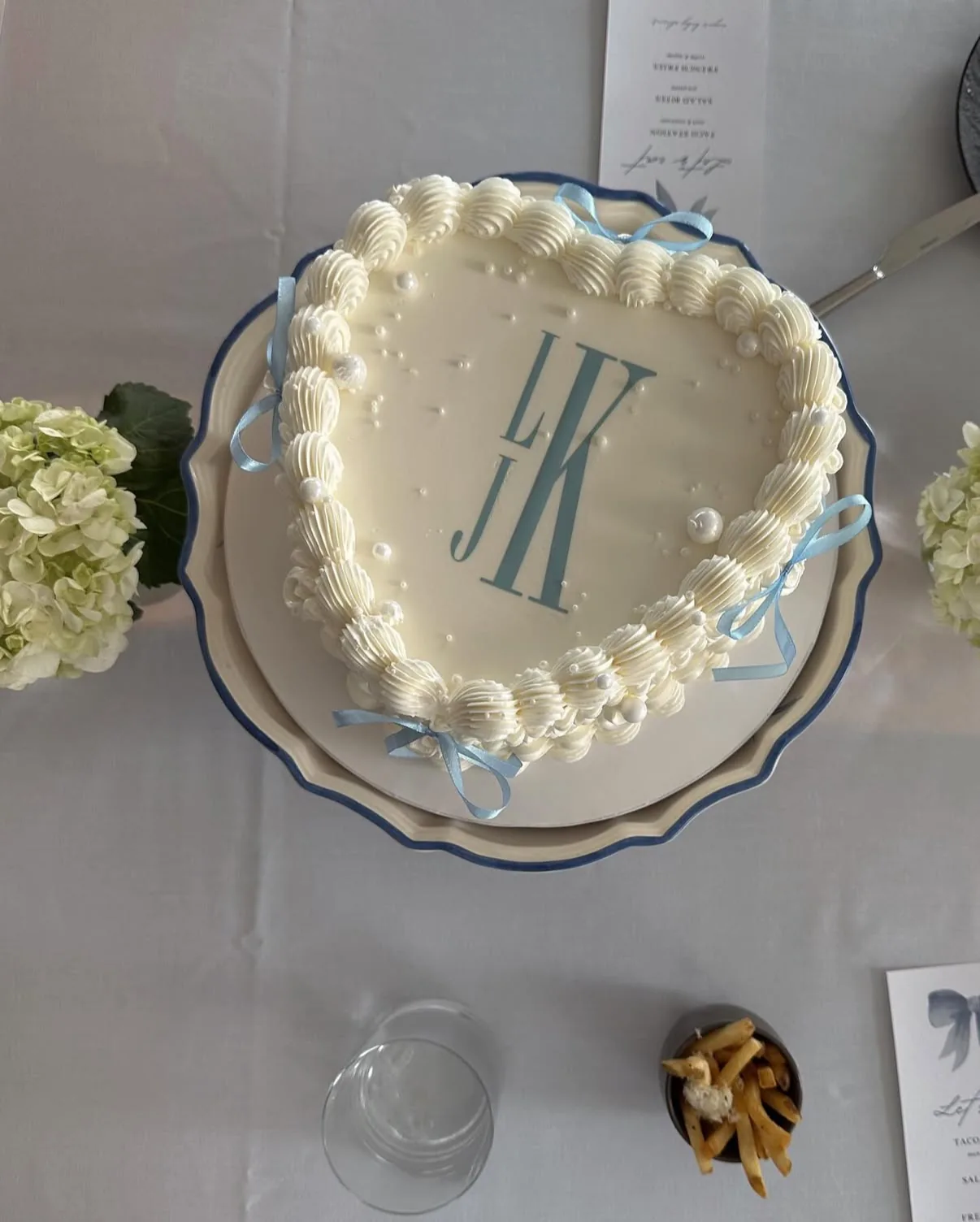
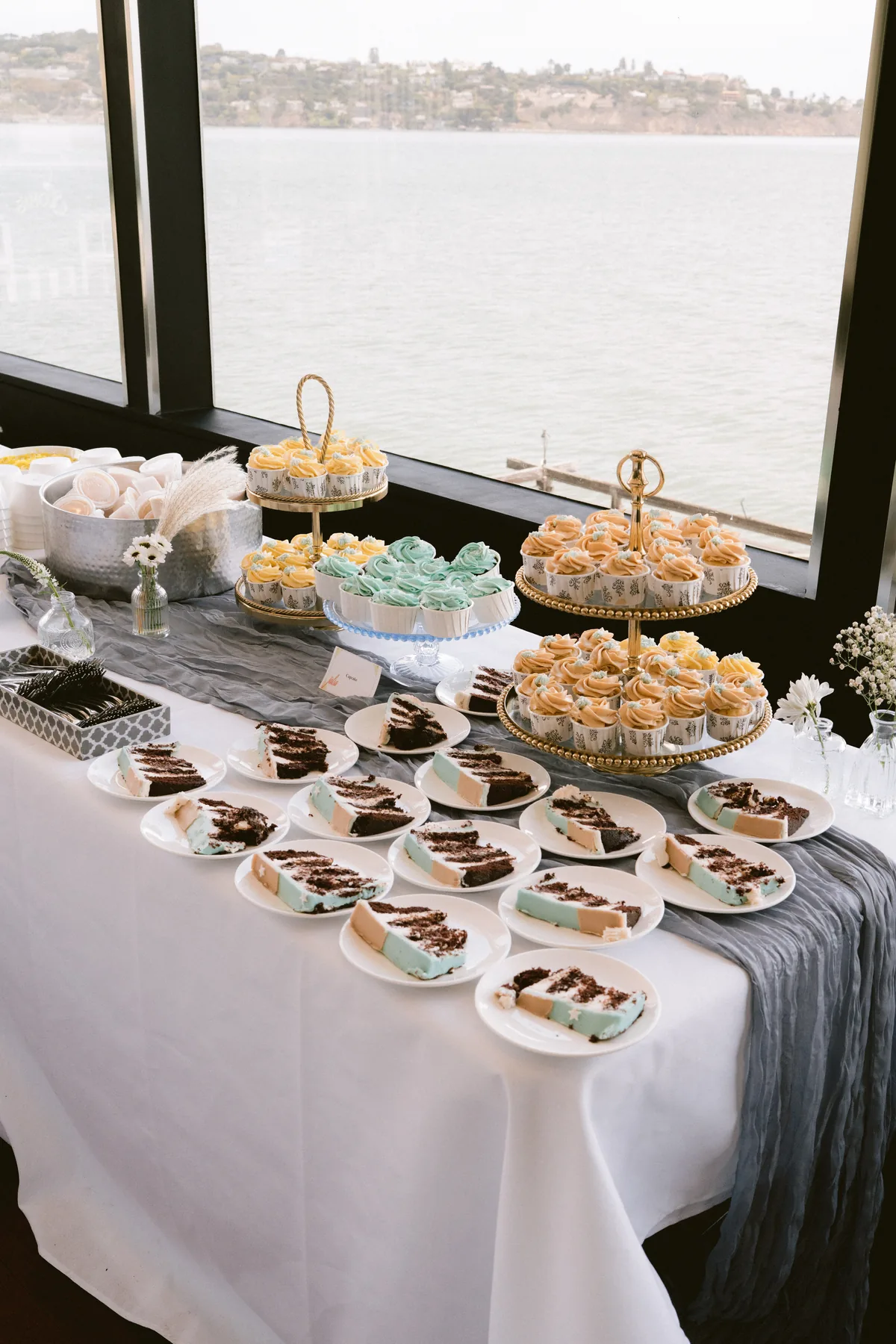
The nonprofit dessert example I shared offers one answer. The playful details drew on something familiar to the group and gave guests a reason to notice a moment they already expected. The idea had a place in the evening and a relationship to the people attending.
A completely different concept could be equally strong for another group. The point is to identify its role before becoming attached to its appearance.
Consider the whole experience of taking part
An idea can sound wonderful in a sentence and feel different in practice. Guests may need to wait, move, listen to instructions, change clothing or give up another part of the evening to participate.
I would look at that complete experience. What is the first step? How does someone understand what to do? What happens if they prefer to watch? How does the activity end, and where do people go afterward?
Those questions help us see the idea as a guest would experience it. They can reveal useful adjustments. Perhaps a shorter format fits better. Perhaps the activity belongs earlier in the evening. Perhaps it needs a different setting or a simpler invitation.
This is a productive conversation in event planning, because it turns a concept into a sequence that can actually be understood and delivered. The strongest ideas usually become more convincing as those details become clearer.
Let the practical requirements arrive early
Creative work benefits from knowing what is possible. The venue, the suppliers, the available space and the timing all shape the design. Specialist experiences need the appropriate expertise and permissions.
I would rather learn those requirements while the concept is still flexible. Then we can adapt intelligently. An idea may need a different scale, another location or an alternative that expresses the same intention more effectively.
Budget belongs in this conversation as well. An addition takes resources from somewhere, even if its individual price seems reasonable. It may require staffing, equipment, installation or time that could support another priority.
The question is what the whole choice costs and what it contributes. This is not about making creative work smaller. It is about giving the most important ideas enough support to work well. An evening with several under-resourced ambitions can feel less complete than one with a clear focus and thoughtful execution.
Compare the idea with what it displaces
Every yes has a consequence. Adding another activity may reduce conversation time. A larger installation may change how people move. A formal presentation may shift the atmosphere the host originally wanted.
I would make those tradeoffs visible. If the host understands what the new idea changes, they can choose it deliberately. Sometimes they will be delighted to make the exchange. Sometimes they will realise the existing plan serves them better.
A useful test is to imagine the evening without the addition. What would be missing? If the answer is only one more thing to photograph, the concept may need a stronger reason. If it would remove the moment that makes the celebration feel personal, then it may deserve protection.
Looking at real event stories can help people think beyond a list of features. The choices should relate to one another and to the occasion they are serving.
I still want the early creative conversation to feel open. Some of the most interesting possibilities begin as ideas that sound slightly unlikely. Then comes the satisfying work of asking good questions, understanding the requirements and deciding what deserves a place. The goal is an event where the imagination survives contact with the evening, and the guests get to enjoy the result.
Explore all planning guides → Sausalito celebrations →
Plan With ERIA
Ready to bring this to life?
Tell us what you are planning. Our team will help you shape the experience from first idea to final detail.
Start a Conversation