Founder Journal · November 15, 2026 · Nikita Khandheria · 5 min read
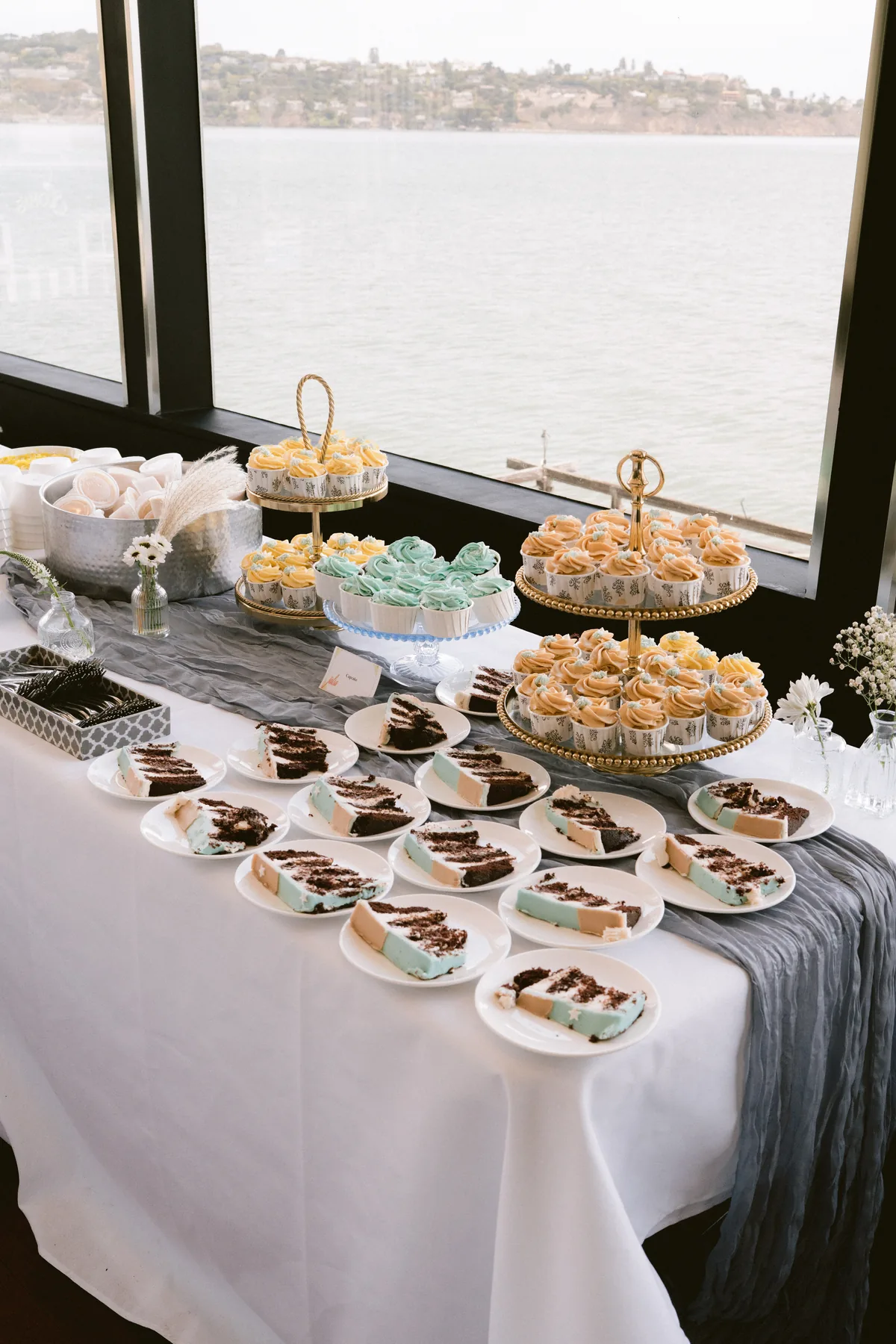
One of my favourite examples of personalization involves dessert. For a nonprofit gathering, we created a playful dessert experience with the CEO’s face and familiar quotes worked into the presentation. Guests encountered something they recognised while doing something they were going to do anyway: choosing something sweet.
I told that story on The Reluctant Entrepreneur because it captures an idea I care about. Creativity can live inside an ordinary part of the evening. You do not always need a completely new activity. Sometimes you need to look at the existing one more closely.
The dessert gave people a shared reference. Someone could recognise a phrase, laugh, and turn to the person beside them. That is the kind of personalization I find interesting: a detail that becomes part of the social life of the room.
Recognition has to come from somewhere
A meaningful detail begins with knowing the people involved. What do they say to one another? What do they celebrate? Which stories have become part of the group’s vocabulary? What would make them smile because it belongs specifically to them?
For a company, that might be a phrase the team has heard a hundred times. For a family, it might be a favourite recipe or a gentle joke everyone understands. For a couple, it might be a detail from a place they love. The task is to find something with an existing emotional connection.
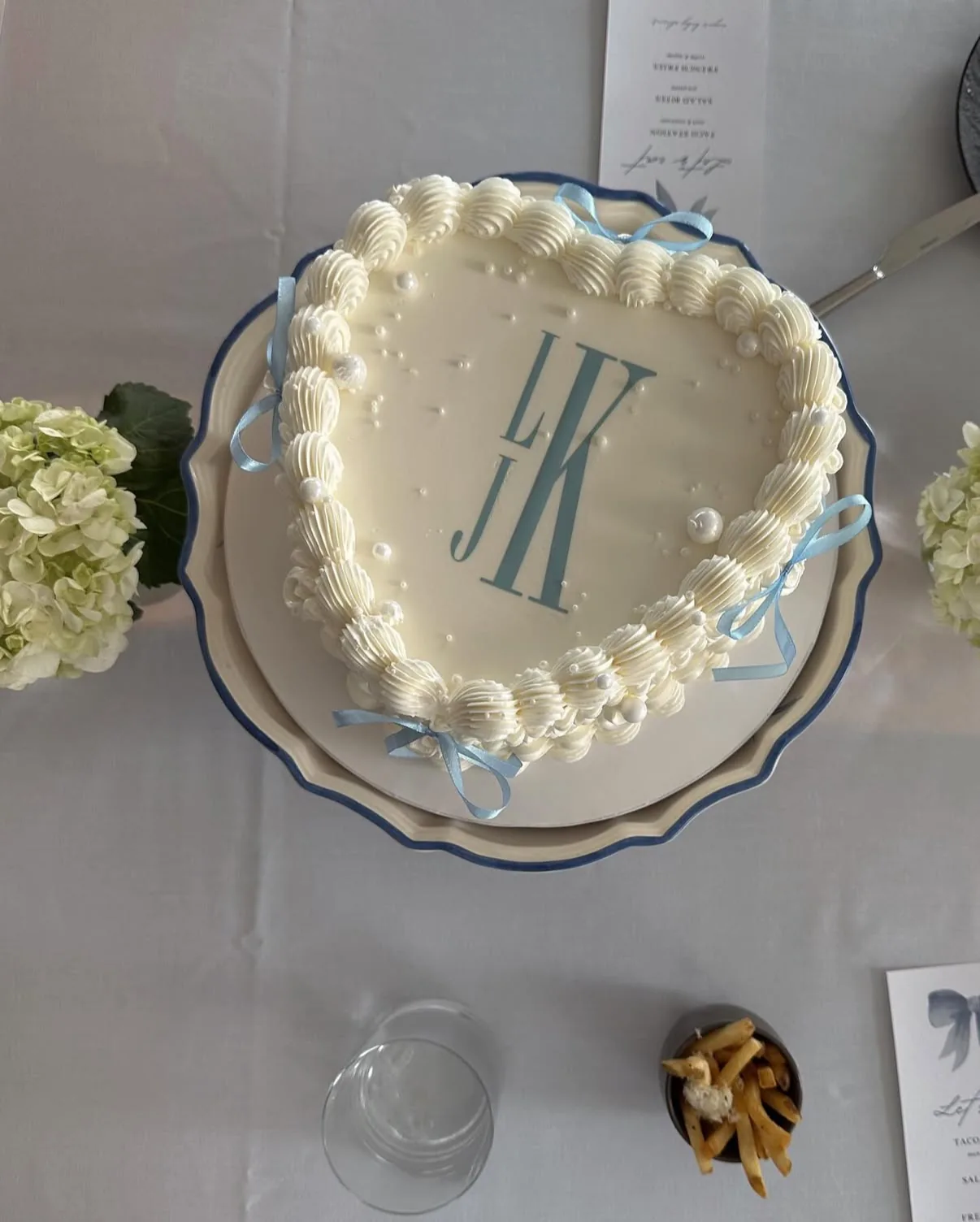
I would be careful about choosing a detail simply because it is available. A company’s logo is easy to obtain. A person’s initials are easy to print. Those can be useful design elements, but they do not tell you much about what makes this particular group feel connected.
The better question is what the detail allows someone to recognise. If the answer is only the name of the host, there may be a richer idea waiting underneath it.
Put the detail where people can discover it
Placement changes how personalization feels. Something placed at the point of participation can become a pleasant discovery. A small message with dessert, a familiar reference within an activity, or a carefully chosen song can enter the evening without requiring a speech about its significance.
I like details that reward attention without demanding it. The guest who notices gets a little extra pleasure. The guest who does not can still enjoy the experience. Nobody should feel they have missed an instruction manual for the party.
For example, imagine a gathering for a team that has a beloved phrase from its early days. That phrase might work beautifully beside a shared food station, where colleagues can explain it to newer people. Used across every surface in the room, it could become wallpaper. The idea is the same; its effect depends on how generously it is used.
This is one reason I enjoy creative corporate events. They offer a chance to express a company through the people who work there, including the funny, affectionate details that rarely make it into a formal presentation.
Make the joke kind enough to share
Personalization can become uncomfortable when familiarity is mistaken for permission. A detail that feels funny to the organiser may land differently with the person it describes. Private stories, embarrassing photographs and jokes about someone’s appearance require particular care.
My preference is for recognition that makes the subject feel included in the pleasure. I want people laughing together. If the idea depends on someone tolerating embarrassment because they are the guest of honour, I would question it.
It also matters who understands the reference. An event may include partners, new colleagues or friends from different parts of someone’s life. A good detail can invite those people into the story. A whole evening of unexplained inside jokes can leave them standing outside it.
The host can help by giving us context. Why does this phrase matter? Would the person enjoy seeing it used? Is there a way to make its meaning clear without a long explanation? Those questions are part of the design work.
Let the detail earn its place
The nonprofit dessert story was satisfying because the idea fitted the occasion and the moment. Dessert already had a place in the evening. We added a reason to pay attention to it.
That is the test I would apply to any personal touch. Does it make the experience warmer, clearer, funnier or more meaningful? Does it help people connect? Will the person being celebrated enjoy it? If it does none of those things, printing it in a beautiful font will only get us so far.
A look through ERIA’s portfolio can show the range of ways an event can take shape, but the useful starting material often comes from a conversation with the host. Tell us the things your people would recognise instantly. Tell us the little habits, the affectionate phrases, the food everyone asks for again.
A personal event is built from attention. Sometimes the best evidence of that attention is small enough to fit beside a spoon, and interesting enough to keep the conversation going after dessert.
Explore all planning guides → Sausalito celebrations →
Plan With ERIA
Ready to bring this to life?
Tell us what you are planning. Our team will help you shape the experience from first idea to final detail.
Start a Conversation