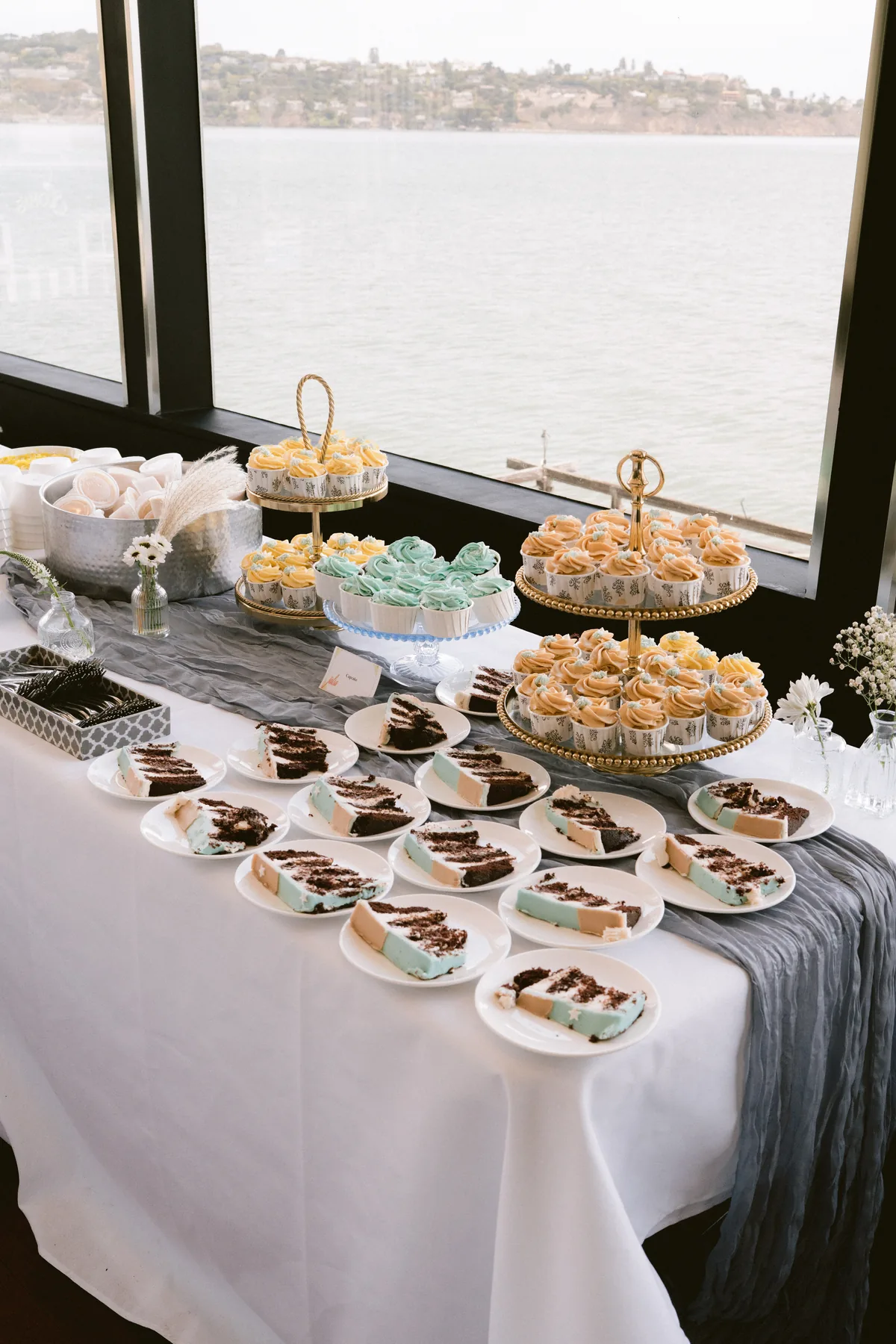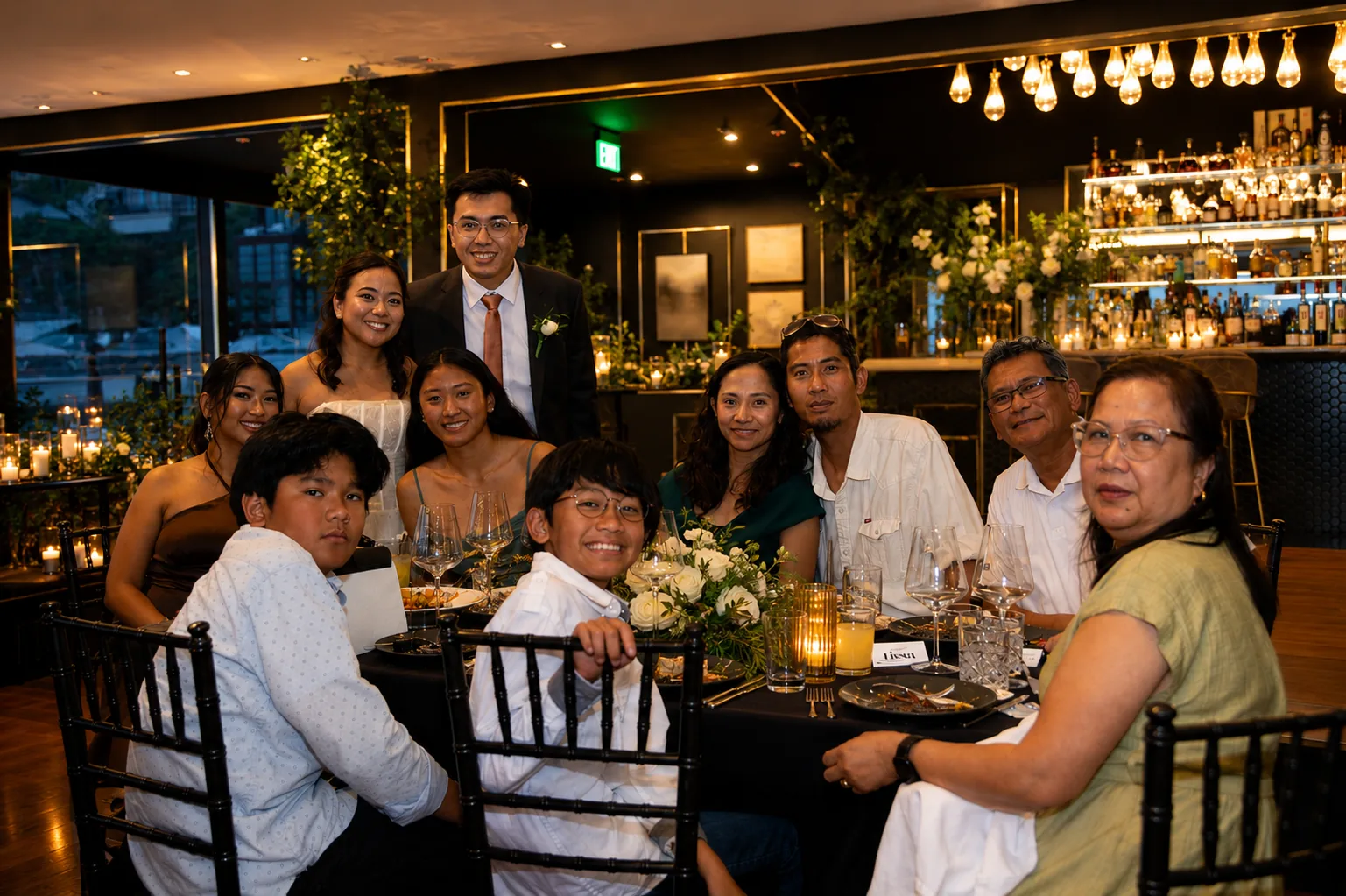
Founder Journal · November 15, 2026 · Nikita Khandheria · 5 min read
An invitation asks for more than an RSVP. It asks someone to arrange childcare, change a flight, leave work early, buy an outfit, or give up the one evening they had kept for themselves. Even the friend who lives around the corner has chosen to spend a part of their life with you.
I think about that a great deal. My parents worked hard, and time away from work felt precious in our family. When we did something together, I wanted it to feel worth the effort of making room for it. That instinct eventually became part of how I think about planning an event. I want a guest to leave glad they came.
The budget tells you what you can spend. The guest’s time tells you what you owe the evening.
Begin with the reason to gather
Before deciding what should happen, I would ask why people need to be together. A company dinner might give colleagues who usually speak through screens a chance to know each other. A birthday might bring together friends who have been promising to meet for months. A wedding might be the first time two families share a room.
Those purposes require different choices. A room arranged for conversation should allow people to hear one another. An evening intended to introduce people should offer gentle ways to begin talking. A gathering built around a meaningful ceremony needs enough time for everyone to settle before it starts.
The answer also helps you question attractive additions. An activity can be lovely and still take time away from the thing that matters most. If the point is to catch up with people you rarely see, filling every minute with entertainment may leave the evening strangely unfinished. You were together, but you never actually spoke.
Look at the evening from a guest’s position
A schedule looks wonderfully efficient on a laptop. A person experiences it differently. They arrive, find somewhere to put a coat, wonder whether they should take a seat, look for someone they know, and try to work out what is happening next.
I want those small decisions considered. Clear arrival information, a welcome that gives people somewhere to go, and a sensible transition into the evening can make a considerable difference. Guests should be able to relax into the gathering without becoming amateur project managers.
Waiting deserves particular attention. A pause can feel generous when there is somewhere comfortable to sit, something to enjoy, and a reason for it. The same length of time can feel careless when nobody knows what is happening. The difference often sits in the context around the pause.
Imagine a dinner where the host wants to make an entrance after everyone arrives. I would think about what guests are doing before that entrance. Are they meeting one another? Is there a natural focal point? Can someone who arrives alone settle comfortably? The entrance is only one part of the experience. Everything leading to it counts too.
Give the memorable moment enough room
In my conversation on The Reluctant Entrepreneur, I talked about wanting people to try something they had never done before. I love that possibility. A first experience can make an evening feel distinct from all the other evenings in someone’s calendar.
It does not follow that every minute needs a first experience. Too much programming creates its own kind of work. People move from one instruction to another, then realise they barely had time to enjoy any of it.
I would rather choose a few things with care and give people time to be in them. Let a conversation develop. Let a performance finish without rushing straight into an announcement. Let someone enjoy the view before asking them to move again. The memory needs room to happen.
This is especially relevant to corporate gatherings, where the temptation to justify the event can lead to an agenda full of visible output. An evening can achieve something valuable by making people feel comfortable enough to talk honestly. You cannot always schedule the useful conversation to begin at 7:14.
Finish with the same consideration you began with
The end of an event deserves thought too. People may have transport to catch, children to get home to, or work the next morning. An ending that respects those realities allows them to leave with the evening intact, rather than feeling they have escaped it.
That does not mean every party needs to end early. It means the experience should be understandable. Guests should know what they are accepting and have a comfortable way to participate.
I love an ambitious celebration. I also love an evening that knows exactly why it exists. When I imagine the person going home, I want them to be thinking about a conversation, a laugh, a beautiful surprise, or someone they were happy to see. They gave us their time. That is the part I want us to have earned.
Explore all planning guides → Sausalito celebrations →
Plan With ERIA
Ready to bring this to life?
Tell us what you are planning. Our team will help you shape the experience from first idea to final detail.
Start a Conversation