Event Planning · November 16, 2026 · ERIA Events · 8 min read
A guest should be able to choose something delicious to drink without explaining the choice. That is a useful starting point for planning alcohol-free drinks at a wedding, baby shower, company dinner or milestone celebration. The menu can offer the same attention to flavor and presentation as the rest of the event.
The opportunity is larger than replacing a spirit with more juice. A good drink can be tart, aromatic, bitter, savory, sparkling or gently sweet. It can suit a meal, mark a toast and look at home on a beautifully set table. For an ERIA Sausalito celebration, the first step is to describe the experience you want and discuss a workable menu with the beverage team.
Start with the guests' choices, without making assumptions
Some people will choose alcohol-free drinks throughout the evening. Others will alternate. Some may want sparkling water, coffee or something simple. A varied menu can welcome all of those preferences without assigning anyone a category.
Make the options visible wherever guests choose their drinks. If the main bar menu lists several cocktails while the alcohol-free option is available only on request, the guest has to do extra work. Give it an ordinary place on the menu and let the name and ingredients describe its appeal.
For a fully alcohol-free event, state that clearly if guests need to understand the format before arriving. The tone can remain celebratory: “An alcohol-free dinner with a seasonal drinks menu” communicates the plan without a long explanation of anyone's reasons.
Design two or three distinct flavor directions
A small, well-considered selection is easier to understand than a long list of similar sweet drinks. Aim for contrast. One option might be bright and citrus-led, another herbal and refreshing, and a third deeper in flavor for dinner or the closing part of the evening.
As a hypothetical menu brief, you could ask the beverage team to develop a tart grapefruit and rosemary spritz, a cucumber and mint cooler, and a spiced apple drink with a restrained level of sweetness. These are creative starting points, not a statement of ERIA's current menu or a promise that every ingredient is suitable for every guest.
Taste proposed drinks at the temperature and dilution intended for service. Ice, carbonation and time can change how a recipe feels. A sample served immediately in a small glass may behave differently when prepared for a room of guests.
Balance sweetness deliberately
When alcohol is removed from a familiar cocktail, replacing its volume with syrup or juice can make the result heavy. Ask the beverage team to build a complete recipe rather than treating the drink as an omission. Acidity, aroma, tea, spice or other suitable ingredients can provide structure.
Discuss what guests will eat alongside the drinks. A rich appetizer, a spicy dish and a sweet dessert create different contexts. You do not need a formal pairing for every course, but the drink should remain pleasant after the first sip and sit comfortably beside the menu.
Keep plain still and sparkling water easy to request or access through the agreed service. An elaborate signature drink should add a choice rather than become the only appealing route for a guest who prefers to avoid alcohol.
Be precise about ingredients
Terms such as alcohol-free, nonalcoholic and zero-proof can be used differently across products and menus. If guests require no alcohol at all, ask the beverage team to verify the actual ingredients and product labels. Do not assume that every bitters, fermented mixer or spirit alternative fits the same requirement.
Keep an ingredient list available to the staff serving the drinks. That list should include garnishes and prepared components, not just the main ingredients printed on the menu. Guests with dietary requirements should have a clear way to ask questions and receive an answer from someone who knows the recipe.
You do not need to make a health claim about a drink to make it attractive. Flavor, temperature, texture and presentation provide plenty to talk about. A menu can be inviting while allowing guests to make their own decisions about what suits them.
Choose glassware around service
A beautiful glass can make a drink feel considered, but its usefulness depends on the event. A standing reception asks guests to manage a glass while greeting people or holding a small plate. A seated dinner offers a different amount of freedom.
Review the size, weight and stability of the proposed glass. Think about where guests will set it down and how quickly it will need to be collected. If the drink uses a substantial garnish, make sure it remains comfortable to lift and sip.
Glassware can also distinguish similar-looking drinks, but any system should be discreet and reliable. Staff should be able to identify what they are serving without asking a guest to taste it. Avoid using a decorative difference as the only control when recipes contain alcohol and look alike.
Give the menu names that describe pleasure
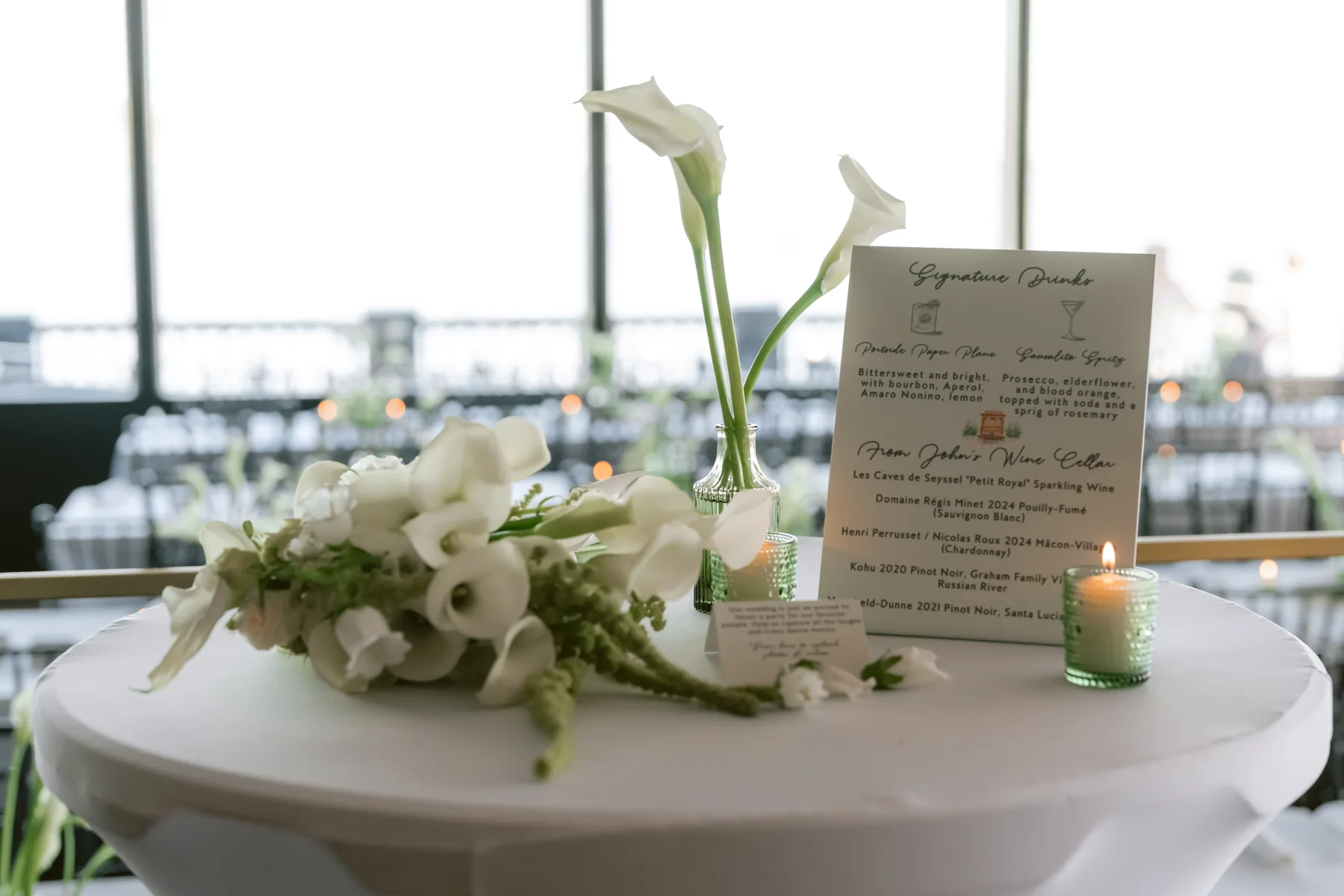
A drink name can be playful, personal or tied to the occasion. It should still be supported by a short ingredient description. “The Welcome Spritz: grapefruit, rosemary and sparkling water” tells a guest more than a poetic name alone.
If both alcoholic and alcohol-free versions appear, label them clearly. Do not rely on tiny symbols or a distinction that disappears when someone orders aloud. Confirm the wording with the beverage team so the printed menu matches the recipes and the way staff will describe them.
For a baby shower or family celebration, a name can nod to the theme without making every drink excessively sweet or brightly colored. A grown-up menu can be cheerful, elegant and easy to order at the same time.
Plan the first drink as an arrival moment
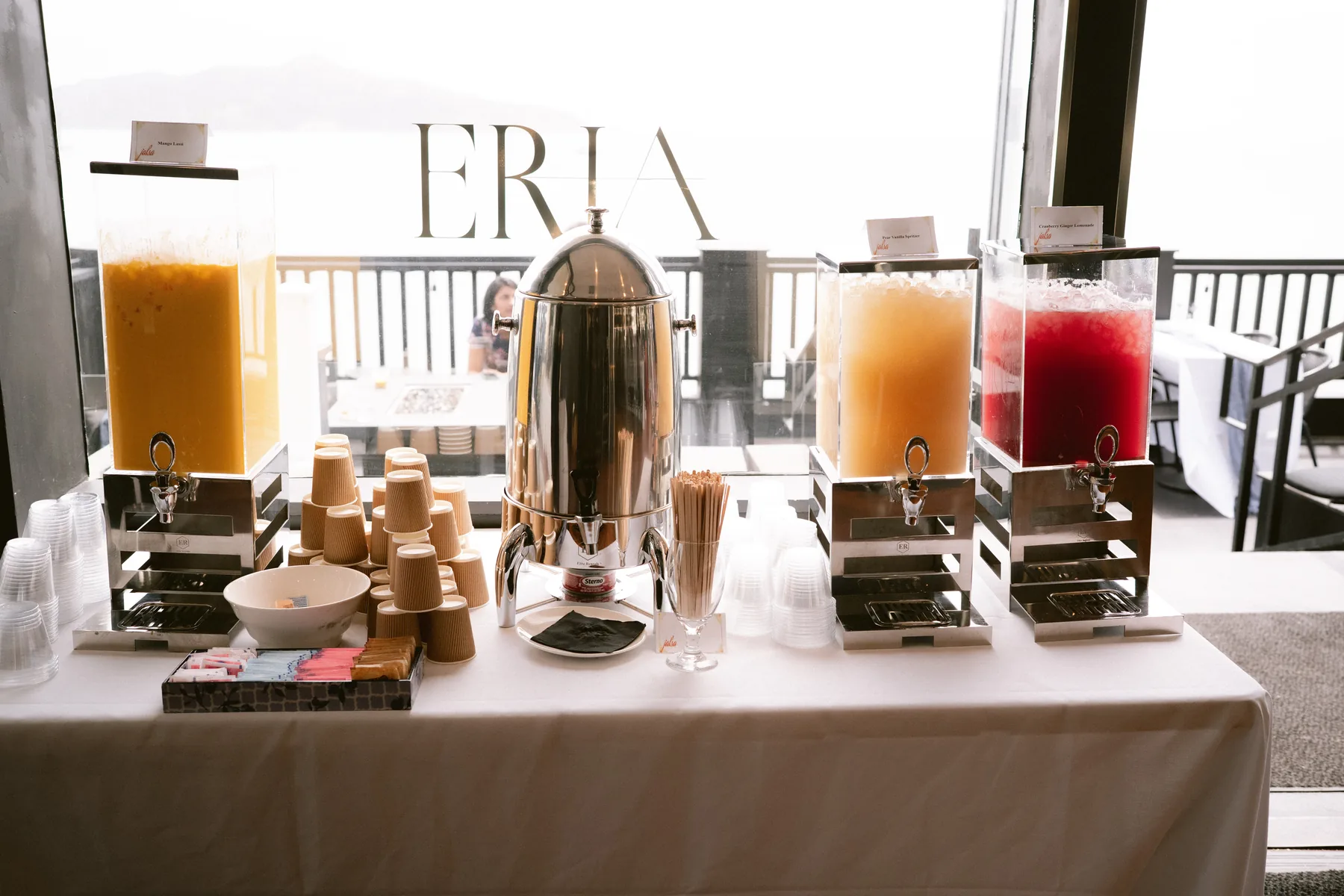
Decide how guests will get their first drink. Table service, a staffed welcome station and ordering at a bar create different arrival patterns. A tray of welcome drinks may look effortless, but it still requires agreed preparation, staffing, glassware and a collection plan.
Offer a choice where practical. A guest arriving with a preference should not have to accept an unfamiliar drink simply because it is already poured. A small menu sign or a brief verbal description can make the decision comfortable.
For a hypothetical 40-person dinner, the host might ask for two welcome options and then a simpler seated service during the meal. The right arrangement depends on the booked staffing and event plan. Discuss those details through an ERIA event inquiry rather than assuming one format is automatically included.
Plan the toast and the final hour
Toasts deserve the same clarity as arrival drinks. Decide what will be poured, when it will reach guests and whether an alternative is available. Give the service team enough time to complete the pour before the speaker begins.
Later in the evening, coffee, tea or another warm drink can offer a natural change of pace if that service is arranged. Confirm quantities, equipment, staffing and timing in the beverage proposal. The closing drink should fit the evening's actual schedule, not create a new queue as guests prepare to leave.
Use the private-event menu and service guide to coordinate beverages with food, and explore ERIA Sausalito when considering the setting. A thoughtful alcohol-free menu is a hospitality decision visible in dozens of small moments: the clear menu, the confident answer, the well-made drink and the guest who feels entirely at ease ordering it.
Frequently asked questions
Do alcohol-free drinks have to imitate cocktails?
No. They can be built as their own recipes around tea, fruit, herbs, spices and other appropriate ingredients. Choose flavor and service quality over resemblance to a familiar cocktail.
Should alcohol-free drinks cost less than cocktails?
Ask for a clear proposal based on ingredients, preparation, staffing, glassware and service. Removing alcohol does not remove every cost. Compare the actual options rather than assuming a fixed price relationship.
How do we make sure a drink contains no alcohol?
Ask the beverage team to review every ingredient and product label, including bitters and prepared mixers, against the guest's stated requirement. Use accurate menu language and give staff access to the recipe information.
Can we have an entirely alcohol-free wedding or private party?
Yes, that can be the host's chosen format. Discuss the beverage service, menu and event proposal with the team, and communicate the format clearly to guests. A complete drinks plan can still include variety, a toast and a sense of occasion.
Explore all planning guides → Sausalito celebrations →
Plan With ERIA
Ready to bring this to life?
Tell us what you are planning. Our team will help you shape the experience from first idea to final detail.
Start a Conversation