Event Planning · November 16, 2026 · ERIA Events · 7 min read
A venue visit is your opportunity to test an event before you commit to it. The room may be beautiful when it is empty. The better question is how it will feel with guests arriving, someone carrying a cake through the doorway, servers moving toward dinner and the host trying to find the microphone.
Whether you are comparing party venues, function rooms or private event spaces, walk through the occasion in the order your guests will experience it. At ERIA Sausalito, on the waterfront at 562 Bridgeway, that conversation should include the specific space you are booking, your proposed layout and the services confirmed for your date. Upstairs can seat 100 guests, subject to layout and current venue approvals. Ask how your complete event fits within the room rather than relying on a maximum number alone.
Bring one page that describes the event
You do not need a finished production schedule for a useful visit. Bring the date or date range, approximate guest count, occasion, intended start and finish times, food format and the activities you are considering. Include anything that takes space: a musician, dance floor, cake table, gift display, photo backdrop or presentation screen.
Write down three priorities. For a retirement dinner, they might be conversation, comfortable seating and a meaningful speech. For a birthday, they might be music, dinner and room for guests to circulate. Priorities help you evaluate the same details at every venue without being distracted by whichever feature looks best in the photographs.
Walk the arrival route as a guest
Begin outside the room. Confirm the correct entrance, the route from an approved drop-off point and how guests will recognize where to go. Ask the team for current arrival and parking guidance. Do not assume a waterfront address includes unrestricted parking or that an old map reflects the arrangements for your event.
Think about what happens when several guests arrive together. Where do they pause? Who greets them? Where do coats, gifts or umbrellas go? A welcome drink can be a thoughtful gesture, but only if people can accept it without blocking the entrance.
Discuss mobility needs directly, including level changes, seating access and the restroom route. Ask the venue to confirm the current arrangement for the specific space being considered. If a guest has a particular requirement, describe it clearly rather than asking only whether the building is “accessible.”
Look at the room with the furniture occupied
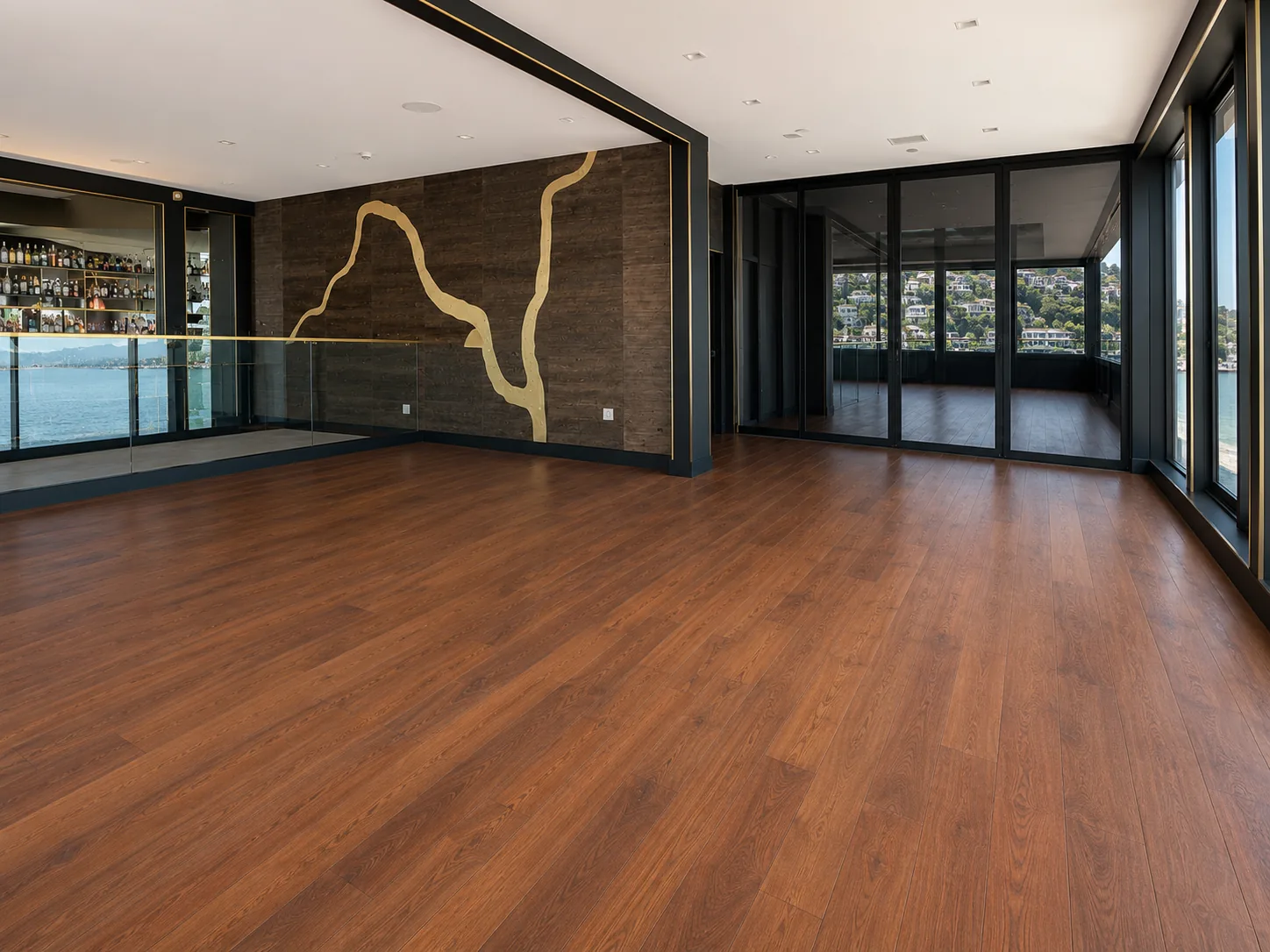
An empty floor plan is generous. Occupied chairs, bags and people standing to greet one another make it smaller. Ask to review a layout that includes your full program, then walk the main routes with that arrangement in mind.
Check the path from the entrance to seating, the bar, restrooms and any activity area. Look at where a queue might form. A buffet, photo station and bar may each fit individually but compete for the same circulation space when everyone uses them at once.
Sit in a few different positions. Can you see where a speaker would stand? Would a large centerpiece obstruct the view of the person opposite? Is the guest of honor easy to approach? These questions often reveal more than another wide-angle photograph.
Follow the service route
Ask how food reaches the guests and how used plates leave the room. Both Sausalito floors have separate commercial kitchens, but the event's catering arrangements, equipment and staffing still need to be specified. If you plan to bring a caterer, approval and a certificate of insurance are required, with kitchen access and charges confirmed in the proposal.
Confirm who supplies and clears each item. Plates, cutlery, glassware, linen, serving equipment and waste removal should have an owner. The phrase “fully catered” can conceal very different scopes, so ask the team to describe what your particular booking includes.
For a seated meal, discuss course timing around speeches. For stations or a buffet, look at the queue and replenishment routes. For a cocktail event, ask where guests who want to sit will be accommodated. Comfortable hospitality depends on the whole sequence, not one attractive food display.
Test the program and entertainment assumptions
Stand where the toast, presentation or performance would happen. Confirm the equipment available and whether it is included in the quote. Ask how microphones, screens and audio will be tested before guests arrive, and who is responsible if something needs adjustment.
Describe the entertainment you actually want. A playlist, acoustic performance and DJ can have different requirements. Confirm permitted hours, sound arrangements and any restrictions for the specific booking before signing an entertainment contract. An event's finish time does not automatically mean every kind of music is permitted until that time.
If you hope to use an outdoor area, discuss its current availability and approvals and the indoor alternative. The backup should show where people will sit, eat and move. “We will go inside” is the beginning of a plan, not the finished plan.
Separate guest time from vendor time
Ask when vendors may enter, when the room must be ready, when guests must depart and when the space must be cleared. These are four different milestones. A four-hour celebration may need a substantially longer working window, depending on the setup.
Find out what standard setup includes and what requires additional labor. Discuss deliveries, floral installation, cake arrival, entertainment equipment and collection after the event. If access is extended or cleanup runs late, the agreement should explain any additional charges.
Use ERIA's pricing and logistics information as a starting point, then request an itemized proposal for your date and scope. Payment dates, cancellation terms and changes belong in the signed agreement.
A sample run sheet to discuss during the visit
The following is a hypothetical dinner party sequence, not an ERIA package or a promise of permitted hours. Its purpose is to expose the transitions that need decisions.
- Before guest arrival: Complete the agreed setup, confirm the seating plan, check the menu and dietary list, and test presentation equipment.
- 6:00 PM: Welcome guests. Keep the entry clear and identify who handles late arrivals.
- 6:40 PM: Invite guests to dinner. Confirm who gives the cue and whether the bar remains open during the transition.
- 6:50 PM: Serve the first course. Keep the main service routes clear.
- 7:20 PM: Give a short toast after clearing. Confirm the speaker's position and the kitchen's next cue.
- 7:30 PM: Continue dinner at the pace agreed with the catering lead.
- 8:30 PM: Serve dessert or move to a separate dessert moment if the approved plan allows it.
- Before departure: Make the final announcement, coordinate guest transport and begin the agreed clearing sequence.
Walk each transition through the room. The difficult moments become visible before the event, when they are much easier to solve.
Frequently asked questions
How many people should attend the venue visit?
Bring the people making the key decisions. A planner or caterer may be useful when the layout or menu is complex. A smaller group often makes it easier to resolve questions and keep a clear record.
Should we visit at the same time of day as our event?
Ask whether that is possible. It can help you understand the light and surroundings. If it is not, discuss those conditions with the team and request relevant photographs of the space.
Is a room's advertised capacity enough to choose a venue?
No. Ask for confirmation against your planned seating, catering, entertainment and circulation requirements. A room that can hold the group may still need a different layout to host the event comfortably.
What should we request after the visit?
Request an itemized proposal, a written description of the booked space and inclusions, the proposed layout, access hours and any unresolved questions. Keep those details together when comparing venues.
Turn the visit into a useful decision
Explore private parties at ERIA Sausalito, then book a site visit. Send your guest count, occasion, preferred timing and three priorities in advance so the visit can focus on the event you actually want to host.
Explore all planning guides → Sausalito celebrations →
Plan With ERIA
Ready to bring this to life?
Tell us what you are planning. Our team will help you shape the experience from first idea to final detail.
Start a Conversation