Event Planning · November 16, 2026 · ERIA Events · 8 min read
A baby shower can bring together people who would rarely find themselves at the same lunch: childhood friends, colleagues, grandparents, cousins and relatives meeting for the first time. That mixture is part of its charm. It also asks a little more of the host than a pretty table and a group message.
The aim is to make participation easy. A guest should be able to find a seat, hear the welcome, enjoy the meal and join the celebration without having to explain their needs to a roomful of strangers. Age alone will not tell you what those needs are. The most useful planning starts with a few considerate questions.
For a celebration at ERIA Sausalito, begin with the people attending, then work with the team on the specific space and arrangement. The waterfront can provide a beautiful setting; the way you welcome people gives the afternoon its warmth.
Ask about the experience, not just the RSVP
An RSVP usually establishes whether someone is coming. A thoughtful follow-up establishes what will help them enjoy being there.
Give guests a private way to share dietary requirements, seating preferences and practical access needs. A simple line such as “Please let us know anything that would make your visit more comfortable” opens the conversation without asking people to disclose personal information publicly.
Follow through on the answers. If someone asks about stairs or the route from drop-off to the room, confirm that exact route with the venue. Do not substitute a general assurance that the building is accessible. If a guest prefers to sit during arrivals, plan for their table to be ready when they arrive.
Share only the information staff or vendors need to provide the agreed support. The seating coordinator may need to know that a particular chair must remain available; they do not necessarily need the personal reason behind the request.
Write an invitation that removes guesswork
Guests may have different expectations of what a shower involves. One person imagines a light afternoon tea, another expects a full lunch, and someone else anticipates opening presents for an hour. State the basics clearly enough that nobody has to infer the plan from the invitation design.
Include the arrival time, end time, meal description and whether children or partners are invited. If gifts will be opened privately later, say so warmly. If there is a book request or another optional tradition, make it clear that participation is optional.
Send confirmed arrival instructions shortly before the event. Use the exact entrance and booked event area supplied by the venue, together with the host's contact number. Verify current parking and drop-off arrangements instead of forwarding an old screenshot from someone else's visit.
A beautifully designed invitation still needs readable type. Keep essential information in text that guests can enlarge, copy or print, rather than placing every detail inside a small image.
Seat people around relationships, not age brackets
A table labelled mentally as “the older relatives” rarely creates the best conversation. Think about who would enjoy meeting, who already shares a connection and who can help a newcomer feel included.
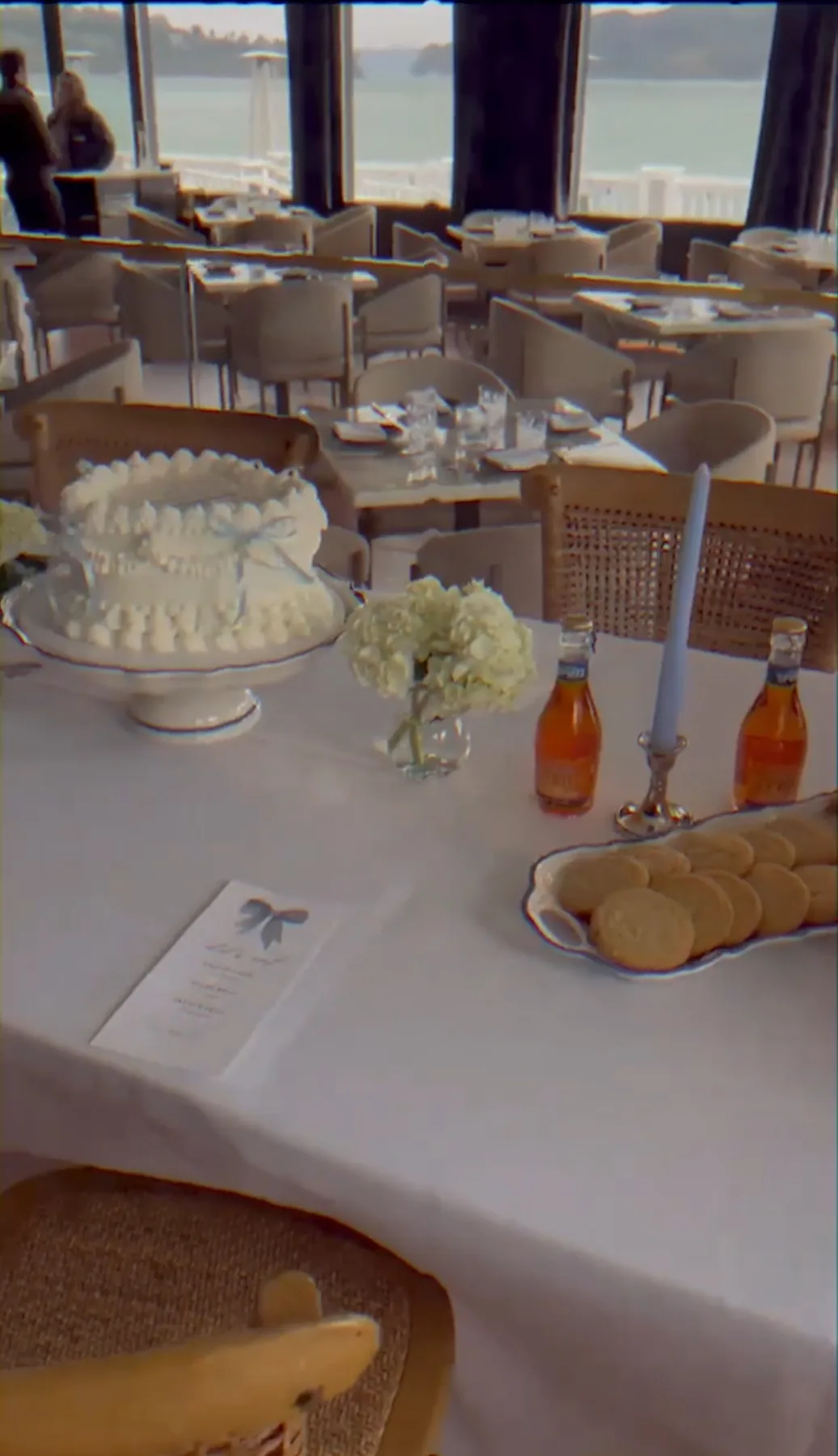
For a hypothetical shower of 36 guests, you might plan six tables of six. At each table, place two or three people who know one another, then connect the remaining guests through something specific: a shared hometown, an interest in gardening or the fact that they both knew the parents-to-be at different stages of life. These are planning numbers, not a suggested ERIA layout.
Avoid asking one outgoing guest to entertain an entire table of strangers. Give that person at least one familiar ally. Couples and close relatives may enjoy sitting together, but check before assuming everyone wants the same arrangement.
Consider sound and movement as well as introductions. A seat next to a speaker or a busy service route can make conversation harder. Review the actual floor plan with the venue, including pulled-out chairs, service access and the place where short remarks will happen.
Make the guest of honor available without putting them on display
An elaborate focal chair can create lovely photographs and a surprisingly awkward afternoon. If the guest of honor stays in one position, everyone else may feel obliged to approach in turn, as though visiting a receiving line.
Give them a comfortable base with room for ordinary conversation. Let the schedule include time to move between small groups, with a host helping make introductions when needed. If they prefer to remain seated, bring the celebration to them in manageable moments rather than gathering the whole room around at once.
Agree privately on an easy signal if they want a break or would like an activity to end. The host can then adjust the pace without announcing a personal reason. Thoughtful hosting often looks like a smooth transition that nobody else notices.
Choose one shared moment with several ways to participate
A multigenerational shower does not require an activity for every age. It benefits from one meaningful idea that allows different forms of participation.
Consider a collection of wishes for the family. Guests might write a short note, dictate a message to a host, or simply enjoy hearing a few selected wishes read aloud. Provide pens that work, cards large enough to write on comfortably and a clearly marked place to leave them.
Another option is a family story prompt: “What small thing made your childhood feel like home?” That question invites an aunt, a colleague and a close friend to contribute equally. Avoid prompts that assume everyone has children or wants to discuss their own family history.
Do not make speaking a condition of belonging. A guest who listens warmly is participating. Optional activities feel more gracious when hosts accept a quiet refusal immediately rather than trying to persuade someone to join.
Let conversation set the volume and pace
Music can establish a mood without becoming something guests must compete with. Discuss the sound setup and permitted arrangements with the venue, then plan a lower conversational level during arrivals and the meal. Ask who can make adjustments during the event.
Keep remarks visible and audible. Choose a place where seated guests can see the speaker, and check any microphone arrangement beforehand. A short welcome should explain what happens next, thank people for coming and return them to their conversations.
Avoid filling every interval. In an illustrative two-and-a-half-hour shower, an arrival period, a substantial meal, one shared moment and a sweet finish may be enough. If public gift opening is important, reserve time for it and shorten another part of the plan. The schedule should not become longer each time someone contributes an idea.
Make the meal easy to navigate
Choose the service format with your actual guests in mind. If a buffet is planned, ask how a guest who prefers to remain seated can receive a meal. If food is shared at the table, check that serving dishes will fit comfortably and can be passed without reaching across candles or tall arrangements.
Tell the caterer about dietary requirements through an agreed process. Confirm how suitable meals will be identified and delivered, and let the caterer explain any limitations directly. Hosts should not make ingredient assurances on someone else's behalf.
For menu and timeline choices, the baby shower brunch planning guide goes into the service details. Here, the priority is whether each person can enjoy the same occasion comfortably, even when their meal or seating arrangement differs.
Finish with personal goodbyes
Let guests know who has the gifts, who can answer a departure question and where belongings have been collected. A relative should not have to search the room for a coat while the host is busy packing decorations.
Ask one cohost to manage those practical details while another stays present for goodbyes. The last few minutes often leave a strong impression. A warm farewell feels different from discovering that the celebration has become a cleanup operation around you.
Multigenerational baby shower questions
Should we assign every seat?
Assigned tables can help guests settle and allow you to accommodate specific needs. Individual place cards are useful when exact seats matter. For a very small group, a host may be able to guide guests personally instead.
How do we include relatives who dislike shower games?
Choose a shared meal and one optional contribution, such as a note or a short story. There is no need to persuade anyone to play a game in order to feel included.
Should children sit separately from adults?
Decide with their parents or caregivers. Consider supervision, seating suitability and how meals will be served. A separate children's table should be a deliberate arrangement with responsible adults, not an assumption based on age.
What should we ask ERIA before booking?
Share your expected attendance, preferred meal format and any access or seating requirements. Arrange a site visit to discuss the actual guest journey, then confirm the agreed arrangements in your proposal.
Explore all planning guides → Sausalito celebrations →
Plan With ERIA
Ready to bring this to life?
Tell us what you are planning. Our team will help you shape the experience from first idea to final detail.
Start a Conversation