Event Planning · November 16, 2026 · ERIA Events · 7 min read
A welcome reception has an unusual guest list: almost everyone is excited, and almost everyone has had a different day. One person has spent the afternoon sightseeing. Another has just collected a suitcase. A family is working around a child's bedtime, while your oldest friends are ready to stay up and talk.
Good planning gives those people a place to join the wedding weekend without requiring them to arrive with identical energy or at exactly the same moment. The event can feel polished and personal while leaving room for the reality of travel.
If you are considering ERIA Sausalito, begin with the arrival pattern and the kind of food you want to offer. Those decisions will do more for the welcome than a complicated program.
Decide whether you are hosting a meal or a reception
Guests need to know whether they should eat before coming. “Welcome drinks” can mean a brief toast or several hours of substantial food, and the phrase alone does not answer the question.
Choose the promise you want the event to make. A reception with light refreshments should be described that way. If the gathering overlaps a normal mealtime and you want people to stay, consider a menu substantial enough to support that expectation. Discuss quantities, service duration and later arrivals with the caterer rather than treating the food as a decorative accompaniment.
The invitation can stay elegant and direct: “Join us for a relaxed welcome reception with substantial bites” or “Stop by for drinks and a light welcome before dinner on your own.” Use wording that matches the actual plan. Nobody should need to interpret the dress code to work out whether dinner is included.
Choose an arrival window that is real
A drop-in format is only helpful if arriving later still feels like arriving at the event. If food disappears early and every important moment happens in the opening minutes, the invitation should not suggest that guests can join at any time.
Ask about broad travel plans while collecting responses. You do not need to manage everyone's itinerary, but knowing that a substantial group expects to arrive later can change service decisions. Separate the guest arrival window from the event end time and supplier access times.
For example, a hypothetical three-hour reception could welcome arrivals throughout the first ninety minutes, offer food throughout an agreed portion of the gathering and place a brief couple's welcome after most expected guests have arrived. This is an illustration, not an ERIA schedule or service commitment. Confirm the plan against the actual booking and catering agreement.
Guests delayed beyond the window should know whom to contact. Give that responsibility to a host or planner rather than making the couple monitor travel updates all evening.
Make the first five minutes easy
The first five minutes tell a guest whether they have arrived in the right place. Clear entrance instructions, a recognizable welcome and somewhere sensible to put a coat all help someone shift out of travel mode.
Designate a person who can greet later arrivals, too. A welcome desk that is abandoned after the first half-hour may leave guests walking into the middle of conversations with no idea where to begin. The greeter does not need to escort every person around the room, but should be able to point out food, seating, restrooms and the hosts.
Confirm the specific venue entrance and current access arrangements before sharing directions. If guests have asked about mobility needs, discuss the actual route and facilities with the team. Avoid using a general venue description as a substitute for answering their particular question.
Plan a room for both conversation and rest
A reception can be lively without making everyone stand for its entire duration. Provide a mix of places to gather and comfortable seating appropriate to the group. Consider older relatives, pregnant guests, people who have traveled that day and anyone who would simply prefer a chair.
Place food and beverage service so one queue does not block the other or obstruct the entrance. Keep the welcome point visible, and avoid using all the most comfortable seating for bags and gifts. If you expect guests to bring luggage, confirm a suitable arrangement in advance; do not assume storage is available.
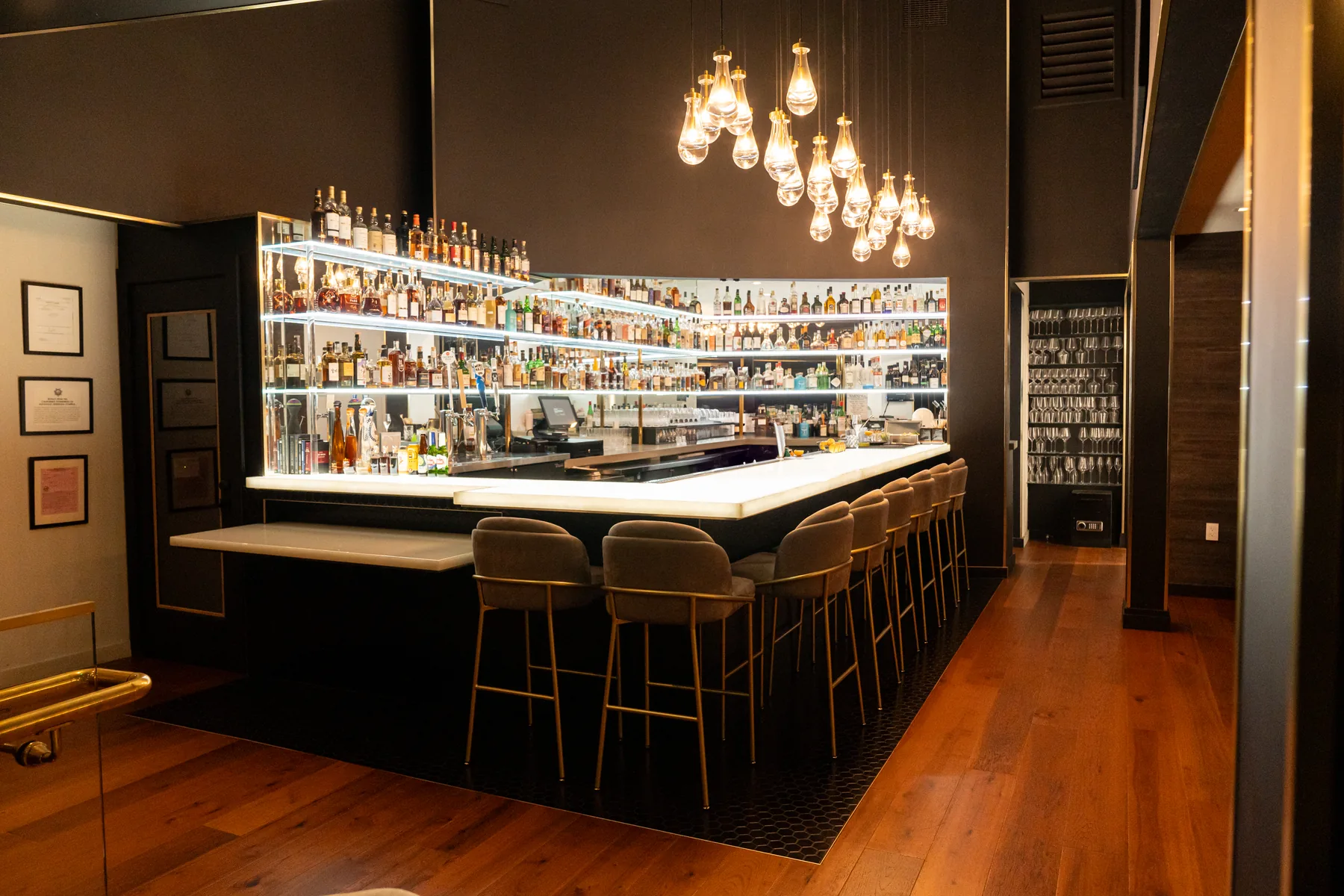
Think of the room as a sequence of useful choices. A guest can collect a drink, find food, sit down or join a conversation without needing permission. The function room site-visit checklist can help you test those decisions before committing to the layout.
Use food that works for an uneven flow
Food service should be designed for the attendance pattern. A single presentation of food at the beginning may look abundant and still leave later guests with very little to eat. Ask how items will be replenished and when the kitchen or caterer will stop serving.
Passed items encourage movement, but they can be difficult for guests who are seated away from the main circulation. Stations can make food easier to find, but require space, staffing and a practical way to eat. Combining formats may work if it fits the room and budget. The right answer depends on your menu and the number of people arriving at once.
Tell the caterer about dietary requirements and how guests will identify appropriate dishes. For allergies, agree on direct communication and handling procedures with the provider. A small menu card can explain ingredients, but it should not promise that food is safe for a particular allergy without confirmation from the people preparing it.
Give guests a connection, not a compulsory activity
A welcome reception is an opportunity to make tomorrow feel more familiar. Introductions usually do more than a long icebreaker. Hosts can connect people through shared interests, hometowns or a story about the couple.
If you want one collective moment, keep it simple. A short thank-you, a brief explanation of the next day's logistics and an introduction to key family members can give the gathering a center. Position it where guests can hear, and coordinate any microphone requirements with the venue.
Avoid turning the welcome into a second full wedding program. Guests are already making an effort to be there. Space to talk is part of what you are offering them.
Make the next day's information easy to retrieve
The welcome is a useful opportunity to correct uncertainty, but it should not become the only place guests receive essential instructions. Someone may arrive late, miss an announcement or be unable to attend.
Keep one current written source for the next day's start time, location, transportation arrangements and contact person. If an arrangement changes, update that source and notify the affected guests directly. Avoid circulating several slightly different screenshots that compete to be the final version.
A printed card can be charming, but accuracy matters more than paper choice. Confirm the details before printing and explain where any later updates will appear.
End with enough energy left for the wedding
An intentional ending protects the rest of the weekend. Tell guests when the reception concludes and establish who will coordinate departures, collect personal items and handle supplier closeout.
The couple should be able to leave without negotiating an informal afterparty in the doorway. If guests want to continue elsewhere, they can make their own plans without extending the venue booking or creating an expectation that everyone follows.
Welcome reception questions
Can guests arrive whenever they like?
They can arrive within the window you specify. Coordinate that window with food service and the event's end time so later guests still receive the welcome described on the invitation.
Do we need assigned seating?
A relaxed reception may work without assigned seats, but it still needs enough appropriate seating and a considered layout. Reserve particular seats discreetly if a guest's needs make that helpful.
Should we give favors or welcome bags at the reception?
Only if distribution and transport are straightforward. Confirm who brings them, where they will be kept and what happens to uncollected bags. A thoughtful welcome does not depend on a gift.
How can ERIA help shape the reception?
Send your estimated guest count, likely arrival pattern, date range and food expectations when you inquire about a welcome event. Those details help establish a format that feels generous from the first arrival to the last goodbye.
Explore all planning guides → Sausalito celebrations →
Plan With ERIA
Ready to bring this to life?
Tell us what you are planning. Our team will help you shape the experience from first idea to final detail.
Start a Conversation
