Corporate Gathering · Sausalito
Wander’s Three-Day Team Gathering in Sausalito
Explore the working agenda behind Wander’s three-day gathering at ERIA Sausalito, with practical lessons for team sessions, meals and transitions.
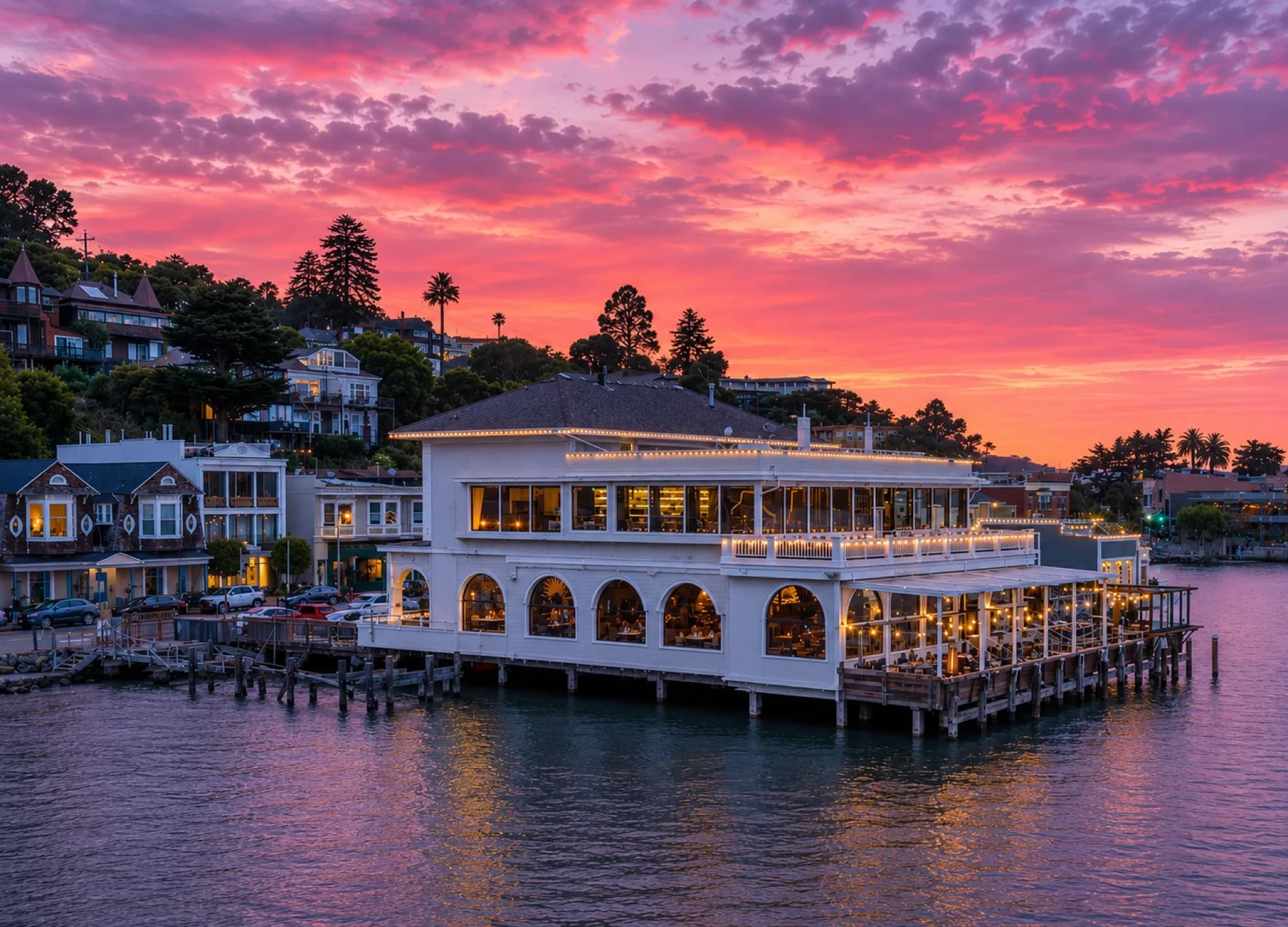
ERIA Sausalito venue view; not a photograph of the Wander event.
Wander brought its team to ERIA Sausalito as part of a three-day gathering from October 6 through 8, 2025. Its working agenda combined shared meals, time together and sessions with different demands on the room. There was space for arrival and coworking, concentrated work, smaller conversations and a final afternoon departure. The useful story is in how those pieces were planned together. This account draws on the client’s planning brief and post-event confirmation of the gathering; individual agenda details describe the intended program rather than a record of every activity delivered.
The gathering and its working brief
A multi-day team gathering with ERIA as its Sausalito base. The brief scheduled lunch and dinner on the first day, then breakfast and lunch on the following two days, with working sessions and other activities fitted around those meal periods.
ERIA’s role
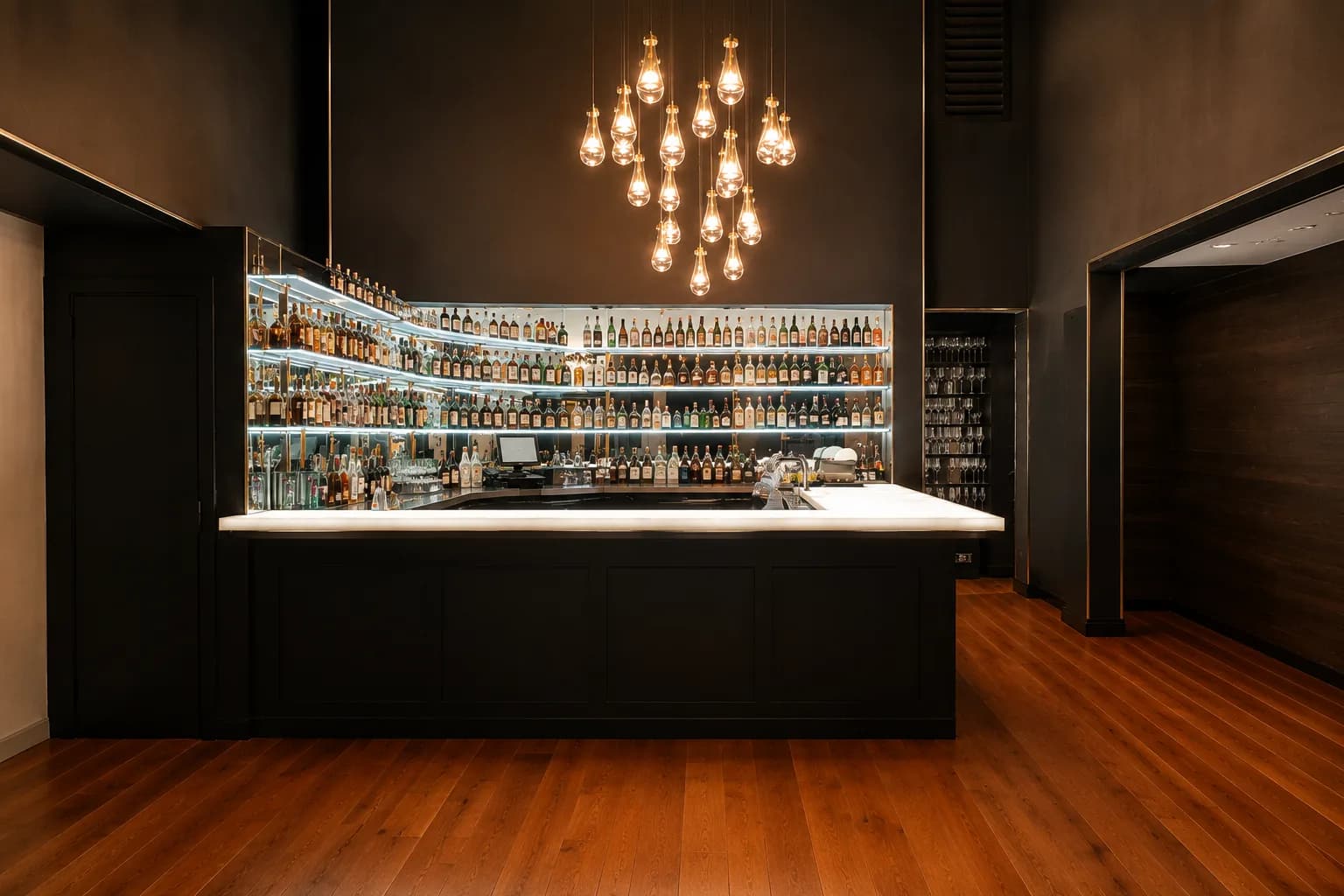
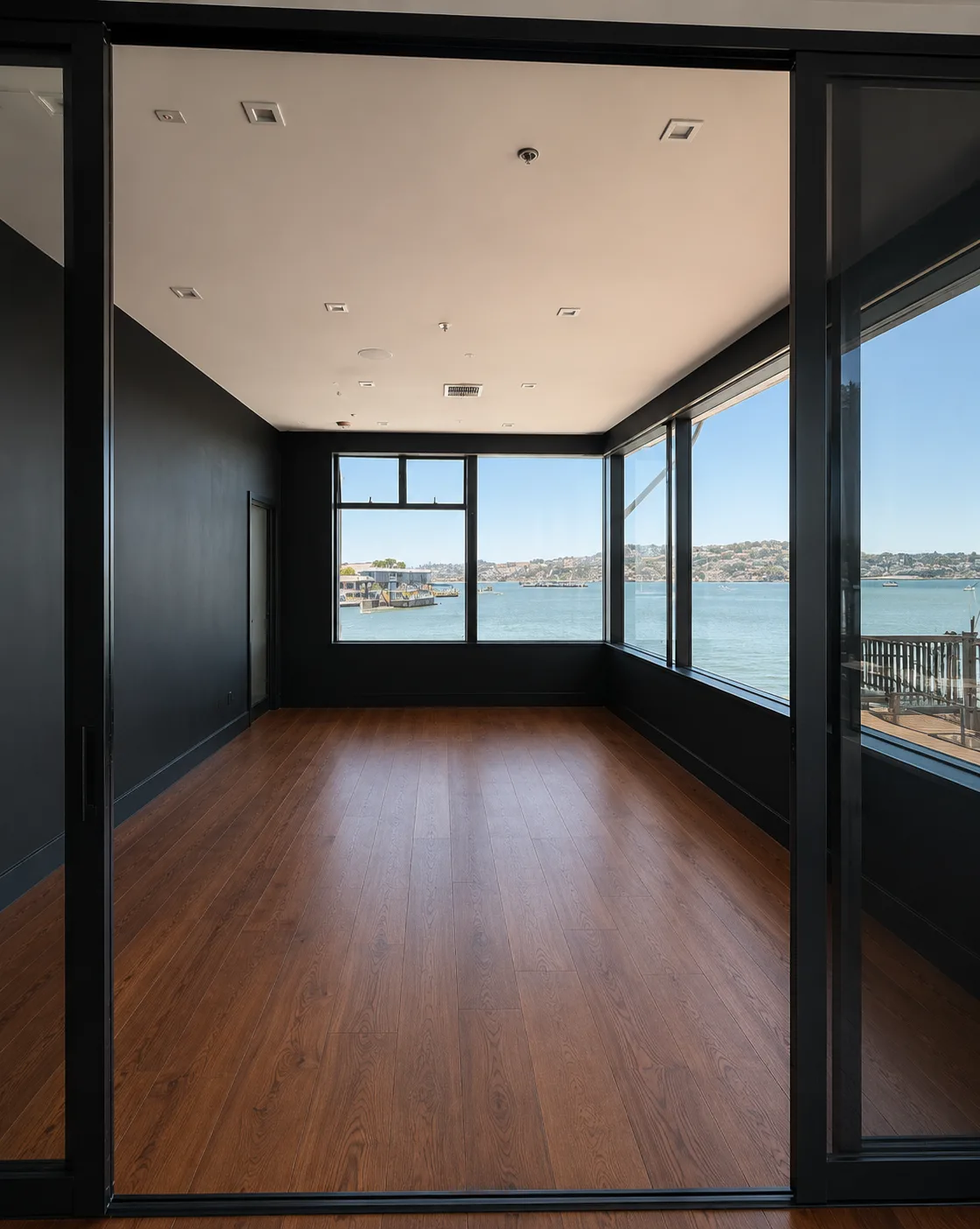
ERIA hosted the Sausalito portions of the gathering and provided food and service. The photographs on this page illustrate the venue setting; they are not photographs of the Wander event. A separate dinner in the broader itinerary was planned at Wander Sonoma Vineyards.
Inside the planning · 01
Give each day a different job
The first day’s planned sequence began with arrival, mingling and coworking before lunch. The afternoon included breakout exercises, followed by dinner at ERIA and a departure for an evening cruise. The second day’s ERIA schedule started with breakfast, moved into work and breakouts, and paused for lunch before the group was due to leave for the next part of its itinerary. The third day returned to breakfast, final sessions and lunch, with an afternoon finish. Across the three days, the opening, middle and closing stages each had a different shape.
That distinction is useful when writing your own retreat agenda. A first morning may need to absorb arrivals and give colleagues time to reconnect. A middle day can carry the work that depends on everyone being present. A final day needs a clear finish that people can use to plan their onward travel. Give each day a specific purpose before filling its hours. If a decision requires the whole team, place it in a dependable attendance window and name who will capture the decision and next steps.
Then read the itinerary as a participant would. A meal start, a session finish and a vehicle departure are separate instructions. Someone needs time to close a laptop, collect belongings and reach the departure point. Wander’s wider plan included both ERIA and another dinner location, making location labels particularly important. For a program with several stops, put the address beside each gathering point and assign one person to communicate changes. Accommodation, luggage and transfers should have their own confirmed arrangements rather than being assumed from the meeting schedule.
Inside the planning · 02
Put meals into the agenda before choosing dishes
Wander’s revised brief made the meal windows visible alongside the working sessions. Monday paired lunch with a later dinner at ERIA. Tuesday and Wednesday each began with breakfast and included lunch. This gives an organizer something more useful than a request for catering: a sequence of moments when people need to eat, return to work or prepare to leave. It also makes clear that each day can need a different service plan.
For your own gathering, first decide what people should be doing during each meal. A protected lunch break gives them permission to close their screens and talk. A working lunch needs room for both plates and materials, a format that suits the task, and an agreed way to handle service without interrupting the person speaking. Breakfast has another job: coffee, food and arrivals must fit around the first session. Put the coffee station where people can finish preparing a drink without blocking others who are ready to sit down.
Build a meal-by-meal brief with the serving window, expected count, dietary requirements, service style and next activity. Check counts separately when guests join or leave partway through the program. Give the caterer one current version and a clear deadline for changes. For an evening meal after workshops, add the room reset to that brief: where materials go, when staff can reach the tables, and where the group will spend the transition. The final dishes and service arrangements should follow the agreed event proposal. A past gathering’s schedule is a useful reference, not a fixed menu or package.
Inside the planning · 03
Make room for the work happening beside the main session
The client’s seating request was specific: a long table by the windows, with the group together. The agenda also allocated rolling headshots on Monday and video interviews on Tuesday. Those details introduce a useful planning question. How does a group stay connected when some people are briefly doing something else? A table arrangement, a photography station and a discussion area all place different demands on space, sound and movement.
Start with the work people need to do at the table. Allow for laptops, notebooks, water and any shared materials, then review sightlines and routes with chairs occupied. A long table may support one conversation while smaller groups need separate places to speak. Photography or interviews need a location that does not send people through the presenter’s view. Give those appointments a running order and a contact person, and avoid calling someone away during a decision that requires their input. For recorded conversations, check background noise during the actual service plan, not only in an empty room.
Add a short technical rehearsal for whatever your own program requires: a presentation, video sound, microphones or remote participants. Confirm equipment and support in the proposal instead of assuming the room provides every component. Apply the same practical thinking to activities away from the main table. Explain the timing and meeting point, make participation expectations clear, and provide a comfortable alternative when an activity is optional. The aim is a program people can navigate with confidence, supported by instructions the host, venue team and suppliers can all use.
For your own team gathering
Write the day’s purpose first
Give arrival day, the main working day and departure day distinct jobs. Put decisions requiring the full group inside a dependable attendance window.
Brief every meal separately
Record its count, serving window, dietary needs and service style, together with what happens immediately before and after it.
Plan the moments between sessions
Include movement, room resets, individual appointments and technical checks in the working schedule. Name the person responsible for each handoff.
Plan your team gathering
Explore the Sausalito venue, then tell us about your dates, group and working agenda.