Event Planning · November 16, 2026 · ERIA Events · 8 min read
Decide what lunch is for
At an ERIA corporate offsite, the lunch plan should be made alongside the agenda. A protected break gives people time to eat, step away and have their own conversations. A working lunch keeps a defined discussion going while food is served. Both can belong in a well-planned day, but attendees and the catering team need to know which one you mean.
Write one sentence describing the purpose. “The project leads will compare their draft priorities over lunch” gives the facilitator something to manage. “We will keep working so we can fit more in” leaves the meal exposed to every unfinished topic. Choose the lunch format and the discussion together.
Keep the work compatible with eating
A discussion over food works better when the group has already seen the materials and understands the question. Tasks that require continuous typing, handling large plans or watching a detailed demonstration compete with a meal. If those tasks are essential, protect a separate eating period and return to them afterward.
Avoid using lunch for a decision that depends on every person speaking continuously or reading a new document at speed. One guest may be waiting for an assigned meal while another is halfway through eating. A facilitator can collect observations and record open questions without treating the meal as an opportunity to remove every pause from the day.
Tell attendees what equipment they will need. If the discussion can happen with a printed summary and one note-taker, invite them to put laptops away. If devices must remain open, the proposed table plan needs enough room for them and for the meal.
Choose food people can manage at the table
For a compact lunch, discuss individual boxes or plated portions with a clear main item and sides. Illustrative options could include a sandwich or wrap with a side salad and fruit, or a grain-based dish with vegetables and a separately specified protein. Ask the caterer to adapt choices to confirmed requests and the way food will be held and served.
Think through the physical act of eating. A meal that needs several small containers, a separate sauce, a knife and frequent assembly takes more table space than its description suggests. Very full handheld items can also be awkward beside a laptop. Ask to see a sample place setting or packaging arrangement before approving a format.
Choose the food because it suits this service. These examples are ideas for a catering conversation, not a standard ERIA menu or a promise about ingredients, nutrition or suitability for a particular dietary requirement.
Match the service format to the available pause
Individually packed meals can be distributed or collected from a labeled point. Confirm whether the boxes are assigned or guests choose freely. If a small number of meals meet specific requests, hold those for the intended guests so they are not taken as an appealing general option.
A buffet of bowls or assembled plates can offer choice, but everyone needs time to leave the table, collect food and sit down again. Example components might include rice or another base, prepared vegetables, a selected protein and sauces served as agreed with the caterer. The sequence, portioning and replenishment need to work for the group rather than creating an improvised queue.
A plated lunch allows guests to remain seated and can suit a more formal discussion. It still requires a service interval and a clear route to each place. Confirm preorders, seat identification and when plates will be collected. The private-event service guide explains the wider format choices; here, the deciding constraint is the working agenda.
Test the table with the actual things on it
Place a laptop, notebook, drink, lunch plate or box and the required cutlery on one proposed setting. Then consider the person seated beside it. This simple check reveals whether the table can support eating and working at once. A room’s overall seated capacity does not answer that question.
Ask where people will put bags and where charging leads will run. Drinks should have a stable place that does not obstruct papers or equipment, and staff need an agreed path for service and clearing. Keep the route to the restroom and exits usable throughout the meal.
If the working tables cannot hold lunch comfortably, consider a separate approved dining area or a planned pause while the room is prepared. At ERIA Marina, the particular area and any daytime shared use need confirmation. At Sausalito, assess the proposed arrangement with the venue team rather than assuming every meeting setup has an equivalent dining layout.
Make dietary meals easy to identify discreetly
Before the event, give the catering lead the final list of requests and ask which accommodations have been confirmed. Resolve unclear information before service. A guest should not have to explain a sensitive requirement in front of colleagues or inspect several unmarked boxes to find the meal intended for them.
Agree whether meals will be identified by name, a discreet reference or a seat assignment. Keep the method consistent between the organizer’s list and the service team’s list. Make sure the person handing out meals knows whom to contact if a label is missing or a guest reports a change.
If there is uncertainty, pause and ask the catering lead. Do not switch plates casually or reassure a guest based only on how a dish looks. Ingredient and preparation questions should be answered by the team providing the food.
Give service a release cue and a finish
The catering team needs more than a time printed in a slide deck. Name the person who will confirm that the meeting has reached a stopping point and guests are ready. If the discussion runs late, that person should speak to the catering lead promptly so they can agree what can change.
Keep the facilitator informed of the service plan. A participant should not be asked to present while carrying a plate from the buffet, and a quiet discussion should not begin during the noisiest clearing moment. If lunch is a break, announce when and where the next session starts so people can use their time.
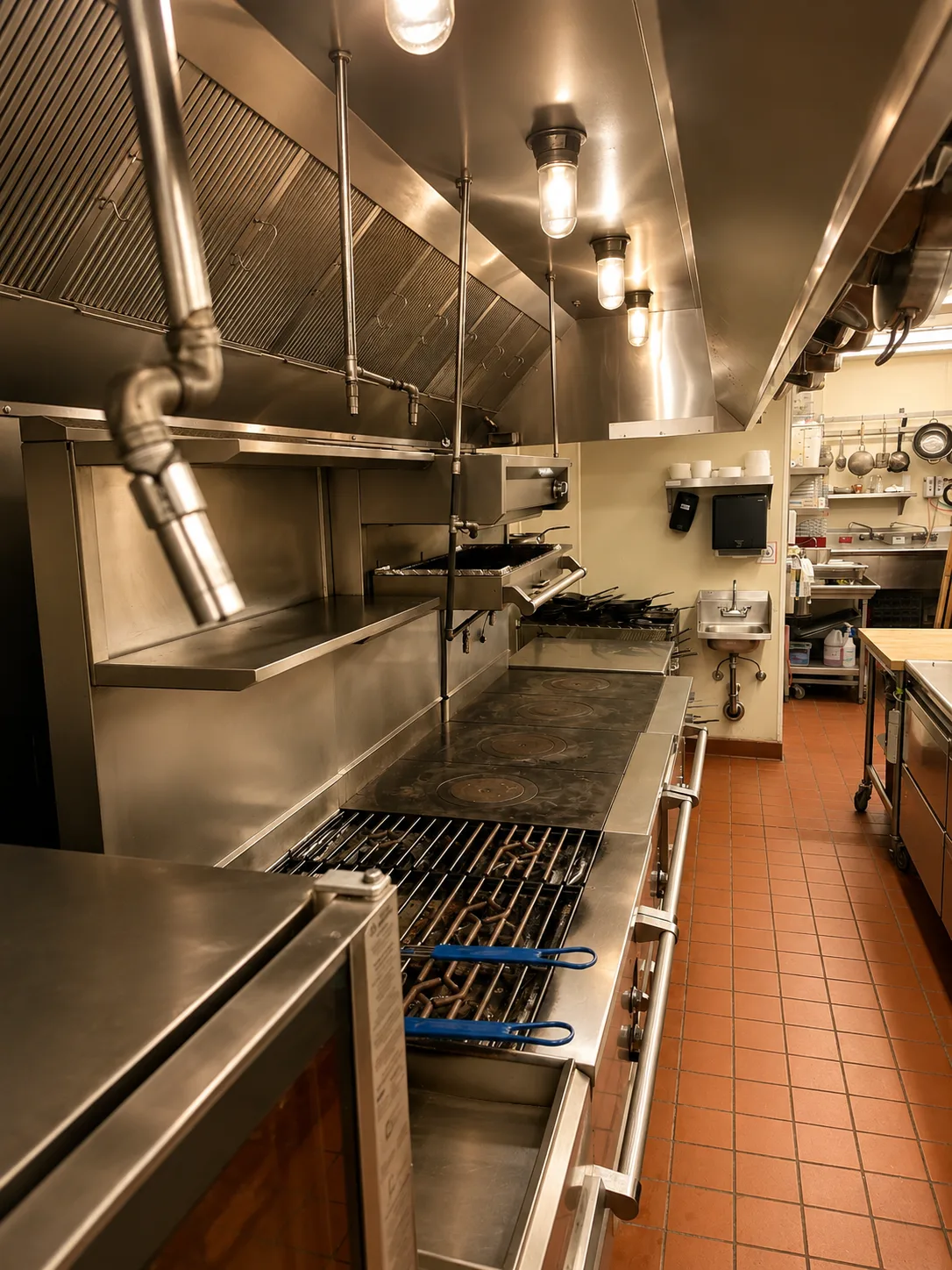
Agree who replenishes food, who clears and where used items go. Delivery of food does not automatically include servers, table reset or waste removal. At ERIA, outside catering requires approval and a certificate of insurance; any kitchen use and related charges should be included in the event arrangements.
Write two versions of the return to work
Prepare the normal return and a simpler option if the morning overruns. In the normal plan, guests finish eating, the room is cleared and the next session begins as scheduled. In the shorter plan, remove or relocate a lower-priority activity instead of quietly taking away the time people need to eat.
For example, a hypothetical organizer might plan a lunch break followed by small-group discussion. If the morning finishes late, the team could shorten the report-back round and circulate written notes afterward. That decision belongs to the internal facilitator, while the service lead advises on any catering consequences.
When requesting a proposal, send the draft agenda, expected lunch attendance, intended discussion and proposed room arrangement. ERIA can then help you discuss a service that fits the actual day. Include the complete scope, from the first delivery through clearing, so lunch ends with a room that is ready for what comes next.
Questions teams ask
Is a working lunch always the most efficient option?
It depends on the task. A defined conversation may fit a meal, while detailed writing, presentations or device-heavy work may need a separate session. Build the agenda around what participants must actually do.
Are boxed lunches the easiest format?
They can simplify distribution, but labels, assigned dietary meals, packaging, utensils and clearing still need planning. Ask the caterer to show how the format will work for your group.
Can we keep the meeting layout for lunch?
Ask the venue and caterer to review it with the actual meal, drinks and work materials included. Some layouts can support both; others need a separate dining area or a scheduled reset.
Plan the rest of your offsite
Compare private-event service styles
Plan the full-day catering brief
Plan the workshop-to-dinner reset
Corporate offsites at ERIA Marina
Contact ERIA about your offsite
Explore all planning guides → Sausalito celebrations →
Plan With ERIA
Ready to bring this to life?
Tell us what you are planning. Our team will help you shape the experience from first idea to final detail.
Start a Conversation