Event Planning · November 16, 2026 · ERIA Events · 8 min read
A beautiful invitation tells people why they are coming. A useful guest information page helps them arrive ready to enjoy it. Between those two pieces of communication sit the questions that otherwise become a stream of messages: Which entrance? What time should we actually arrive? Is this dinner or drinks? Who should we call if something changes?
For a private celebration at ERIA Sausalito, the answer should fit on one page that works on a phone. It can live on a wedding website, a private event page or a simple document. Its value comes from accurate decisions and a sensible order, rather than elaborate design. Here is how to build one that feels welcoming and earns its place in your planning.
Start with the information a guest needs at the door
Put the event name, date, arrival time, meal format and confirmed location at the top. Write the weekday as well as the date to make a calendar mistake easier to catch. If invitations go to guests across different time zones, identify the event's local time zone. A calendar invitation and a beautifully typeset graphic should agree exactly.
Separate arrival time from the first scheduled moment. “Please arrive at 6:00 p.m.; welcome remarks begin at 6:30 p.m.” is clearer than listing a single time and expecting everyone to interpret it alike. If late arrivals would interrupt a ceremony or surprise, give those guests a specific contact and instruction.
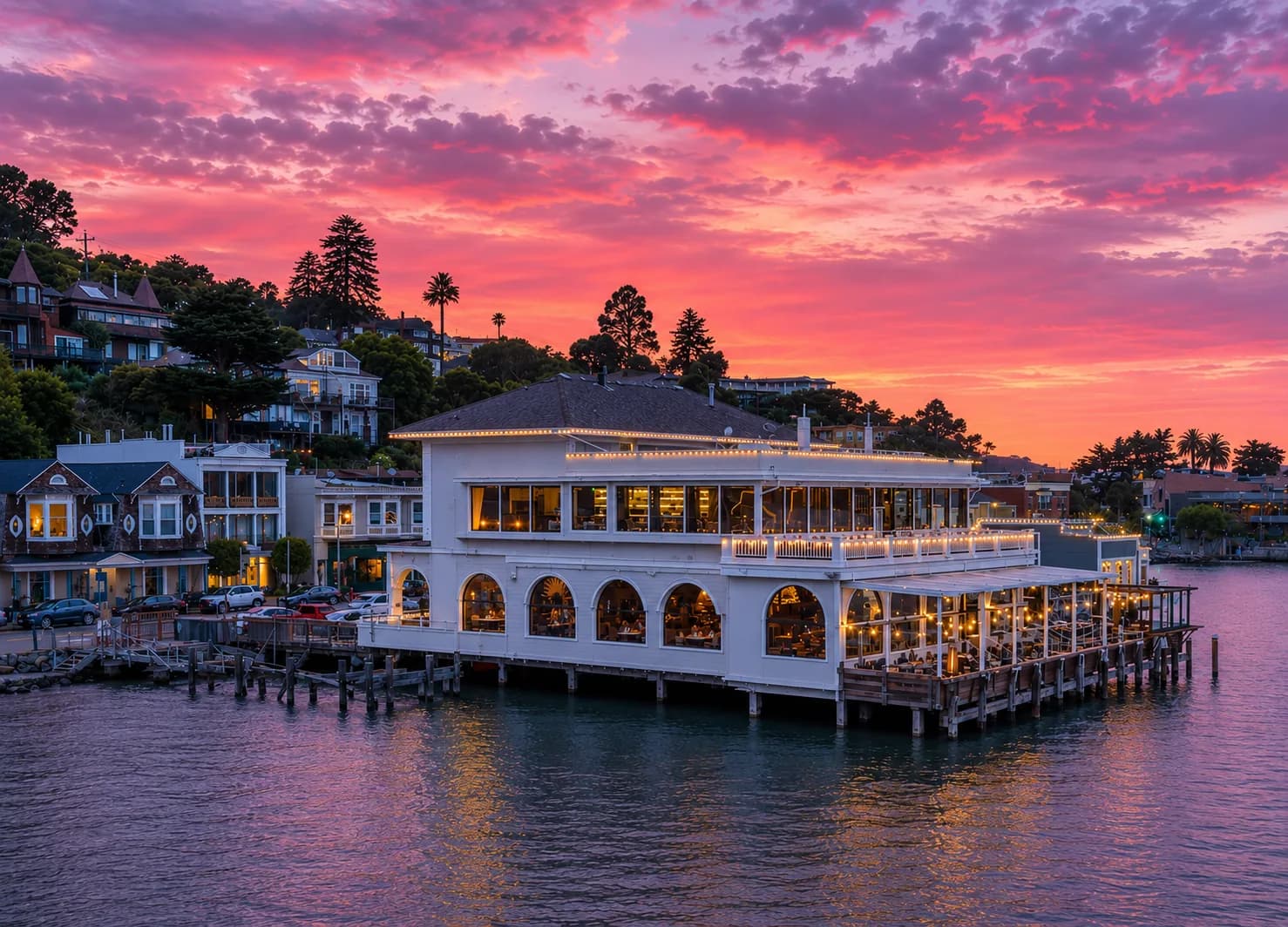
Use the address and entrance for the space you have booked. ERIA's upstairs Sausalito venue is at 562 Bridgeway, while the ground-floor space is associated with 558 Bridgeway. Confirm your event's exact arrival instructions with the team before publishing them. A correct venue name paired with the wrong entrance still creates confusion.
Describe the experience in one useful sentence
Guests should be able to tell whether they are coming for a seated meal, a standing reception, a ceremony or several stages of an evening. That information affects everything from shoes to childcare arrangements. “Join us for a seated dinner followed by speeches and conversation” communicates more than “An unforgettable evening awaits.”
If an invitation says cocktails but the event includes dinner, say so. If it is a reception with light refreshments, make that equally clear. People should not have to infer how much food to expect from the event's start time. Confirm the actual menu format before using descriptions such as dinner, brunch or substantial appetizers.
State the anticipated ending as well. For a hypothetical anniversary dinner, the details might read: “Arrival at 6:00 p.m., dinner at 6:45 p.m., celebration concludes at 9:00 p.m.” These are sample times, not ERIA operating hours or a suggested booking entitlement.
Give arrival guidance without promising a journey
A guest information page should explain what the host has confirmed. It should not guess at traffic, parking availability, ferry departures or how quickly a rideshare will arrive. Those details can change, and a confident promise can become the source of a late guest's frustration.
Ask the venue for current arrival, drop-off and access information relevant to your booking. If you have arranged transportation, publish the meeting point, boarding time, departure time, reservation requirement and transportation contact. Distinguish a shuttle departure from the time guests should start looking for it.
For guests making their own arrangements, link to the relevant transport operator's current information rather than copying a timetable into an image that will remain in a group chat. Recheck any links before sending the final reminder. If you mention valet or reserved parking, describe only the service that has actually been arranged.
Ask RSVP questions you can use
Every question should lead to an action. Ask for each invited guest's name, attendance response and any meal selection the caterer requires. A household response can conceal missing details when one guest has a different meal choice or arrival plan, so make those distinctions explicit.
Provide a private way to share dietary requirements and access needs. A useful prompt is: “Please tell us about any dietary requirements or access arrangements you would like us to discuss with the event team.” Give a deadline and a contact for follow-up. Avoid making guests explain personal circumstances in a shared spreadsheet or group conversation.
Collect only what the event team needs. The host can pass relevant requirements to the people handling them without circulating every guest's full response. Dietary requests should be confirmed with the caterer; receiving a form response is not itself confirmation that a particular preparation can be accommodated.
Explain clothing through conditions and activities
A dress code becomes more helpful when it includes context. “Cocktail attire; the evening includes a seated dinner” gives a guest something to work with. If your confirmed event plan includes time outside, say that and suggest bringing a layer without predicting the weather.
Avoid copying an outdoor clothing note simply because the venue is waterfront. A waterfront event may take place entirely indoors, and the usable areas depend on the booking and current arrangements. Let the actual plan determine what guests need to bring.
For a themed party, explain whether the theme is an invitation to participate or a firm expectation. “A touch of blue is welcome” feels different from asking every guest to purchase a particular outfit. Clear wording makes participation easier without turning the invitation into an assignment.
Keep personal preferences gracious and specific
If your guest list is limited to named invitees, make the RSVP mechanism reflect that. If children are included, collect their attendance information in the same organized way. Do not rely on an ambiguous note at the bottom of a long FAQ to communicate a decision that affects someone's ability to attend.
Gift guidance, photography preferences and a surprise-party instruction can sit beneath the essential logistics. Keep each short. A surprise needs one unambiguous arrival plan and a contact who can handle early or late guests. A request about photographs should explain what guests may share and when, rather than assuming everyone understands the concern.
Use this compact page structure
The following is a working template. Replace every bracketed item with a confirmed detail before sharing it.
- The occasion: [Event name, weekday and date].
- The timing: Please arrive at [time]. [First scheduled moment] begins at [time]. We expect to finish at [time].
- The location: [Booked space, confirmed address and entrance instructions].
- The experience: [Seated dinner, brunch or reception description].
- Getting here: [Current confirmed arrival guidance or transport link].
- What to wear: [Dress code and relevant activity details].
- Your response: Please RSVP by [date] and share [required meal choices or arrangements].
- A question or change: Contact [designated host representative and contact method].
Keep the primary contact someone who will be reachable while the host is occupied. Make sure that person has agreed to the role. Printing their name on a page does not give them the information or authority needed to help.
Send one final message that points to one source
Update the main page first, then send a brief reminder linking to it. Multiple versions of arrival instructions create more work than one well-maintained page. Put a small “Updated [date]” line near the logistics if information changes during planning.
Read the page on your phone before sending it. Can you locate the address, arrival time and contact without opening an attachment or zooming into a graphic? Ask someone who has not helped plan the event to read it too. Their first question is often the detail the hosts have stopped noticing.
When preparing an ERIA Sausalito event, bring this draft to your site visit. It gives the visit a practical purpose: resolve the details your guests will rely on. You can also use the private-event menu and service guide to describe the meal accurately.
Frequently asked questions
Should the invitation contain every logistical detail?
Include the essential date, time, location and response instructions. Use the information page for details that need more space or may require an update. Guests should still understand what they are being invited to without following several links.
Can we send arrival instructions only in a group chat?
A group message is useful as a reminder, but important information can disappear beneath replies. Link to one current page and keep a short text version ready for guests who prefer it.
What should we do when someone reports a new dietary requirement?
Record it, pass it to the responsible catering contact and obtain a clear answer. Tell the guest what has been confirmed. Do not promise an accommodation based solely on what appeared possible earlier in planning.
How detailed should access information be?
Describe the arrangements that have been confirmed for the booked space and provide a private contact for individual questions. A broad statement such as “easy access” leaves too much open to interpretation. Specific, current information helps guests decide what they need.
Explore all planning guides → Sausalito celebrations →
Plan With ERIA
Ready to bring this to life?
Tell us what you are planning. Our team will help you shape the experience from first idea to final detail.
Start a Conversation