Event Planning · November 16, 2026 · ERIA Events · 8 min read
A company holiday dinner brings together people whose lives may look very different outside work. Some love an elaborate evening out. Others are arranging childcare, avoiding alcohol, observing dietary traditions, or deciding whether a room full of colleagues will feel comfortable after a demanding year.
Good planning does not require knowing every private reason behind a guest’s preferences. It requires giving people enough information and enough choice to participate comfortably. A clear invitation, an appealing nonalcoholic drink, a meal someone can confidently select, and a gracious ending can matter more than another decorative installation.
For a holiday dinner in Sausalito, begin with the people attending and build the celebration around them. The goal is to make the invitation feel generous before anyone reaches the door.
Explain what the evening is asking of people
An invitation should tell guests the date, arrival time, expected finish, exact location once confirmed, dress guidance, and whether partners or other guests are included. It should also explain the format. A seated dinner, a standing reception, and an evening of dinner and dancing ask different things of an attendee.
Be clear about attendance expectations through your company’s own process. Do not describe an evening as optional while repeatedly asking managers to persuade reluctant colleagues. Whatever the organization decides, guests should receive a consistent message.
If the event includes a gift exchange, performance, awards, or photographs, explain that in advance where possible. A surprise entertainer can be enjoyable. Discovering that everyone is expected to sing or buy a gift is a different kind of surprise.
Ask for requirements without asking for a personal history
Use a short RSVP form with a private way to share dietary and access requirements. Ask what the planning team needs to arrange, rather than why the guest needs it. A person should not have to explain a medical condition, religious practice, or personal decision to the entire organizing committee.
Set a response deadline that leaves time to discuss requests with the venue and caterer. Explain who will receive the information and use it only for the event. Keep it out of publicly shared seating charts, printed guest lists, and casual planning conversations.
If a request cannot be accommodated exactly as submitted, contact the guest privately to discuss the available options. Do not promise that every dietary or access requirement can be met before the responsible provider has confirmed it.
Build the menu around satisfying choices
A meal feels more welcoming when the alternative dishes have been considered as complete meals. Ask the caterer to describe the available selections in the same level of detail, including portion and service style. A guest choosing a plant-based dish should know what they are being offered rather than discovering a plate of side vegetables at dinner.
Discuss how ingredients will be communicated and how the service team will identify preselected meals discreetly. For a buffet or shared menu, ask how guests will find the information they need and how the caterer handles their specific requirements. Avoid making your own assurances about allergens or cross-contact on the caterer’s behalf.
Keep the menu readable. Descriptions can be attractive without hiding the main ingredients behind clever names. The guide to private event menu service can help you compare formats before confirming the catering plan.
Give nonalcoholic drinks equal attention
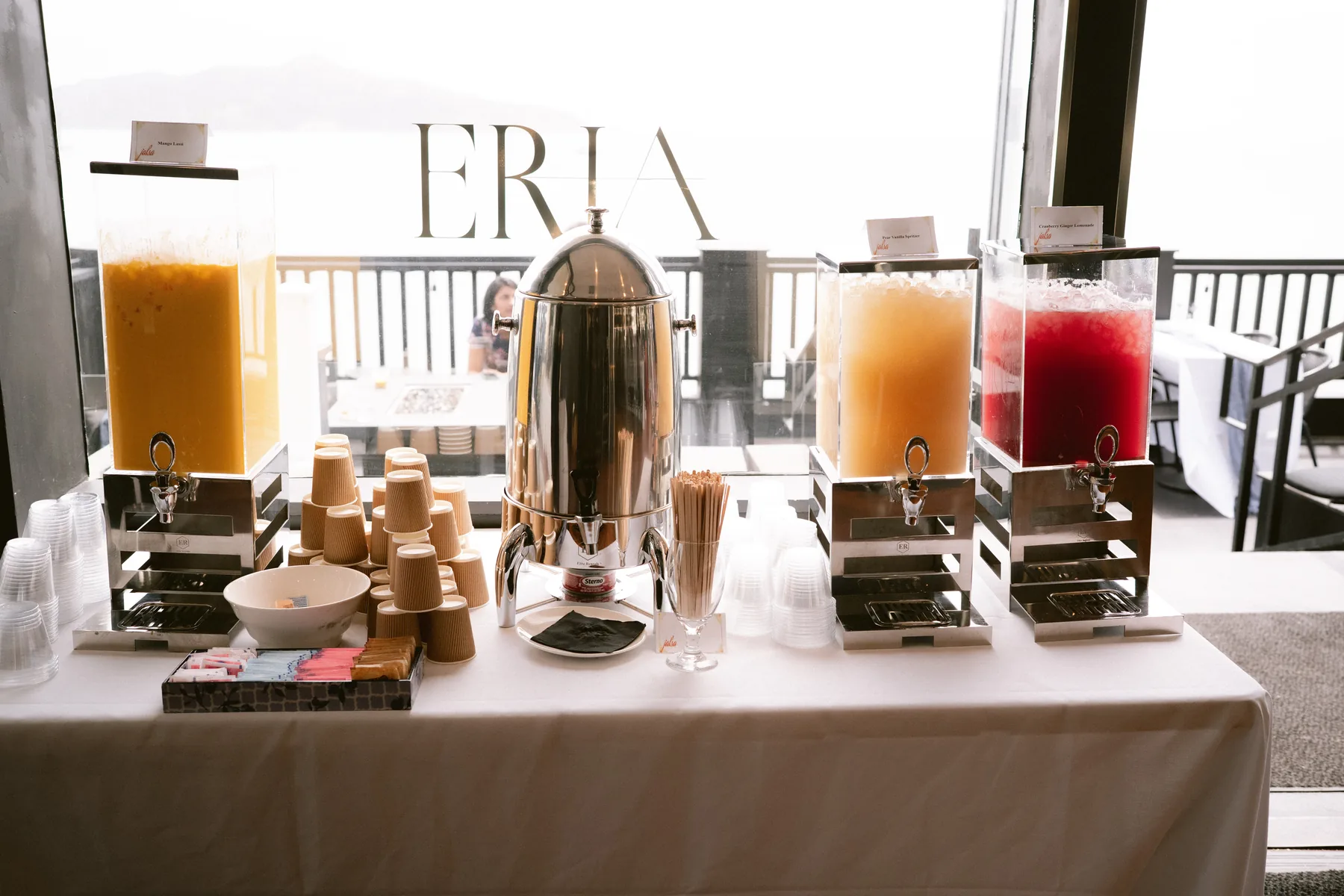
Guests should be able to choose a drink without having to announce that they are abstaining. Put appealing nonalcoholic choices on the same menu as the other drinks and make water easy to request throughout the evening.
Ask about flavor, presentation, and service. A thoughtful selection might include a citrus-forward drink, a less sweet option, and familiar soft drinks, depending on the agreed menu. These are planning ideas, not a statement of what is automatically included in an ERIA booking.
Be precise about labels. Some drinks marketed as alcohol alternatives can contain trace alcohol, so have the beverage provider confirm the product information when a guest needs a particular specification. Do not describe a selection as alcohol-free simply because it is served without a conventional spirit.
The host’s language matters too. “Here are the drinks available tonight” is enough. Guests do not need a joke about who is being sensible or a question about why someone chose sparkling water.
Make the room comfortable in more than one way
Review the proposed layout against the actual format. If most of the evening is a reception, ask how seating will be available for people who do not want to stand throughout it. If the evening is seated, check how guests will move to their places, the restrooms, and the exit.
Discuss lighting and sound with the venue and entertainment providers. A lively room can still have a conversation-friendly part of the schedule. Music that works for dancing may be too prominent while guests are trying to catch up over dinner.
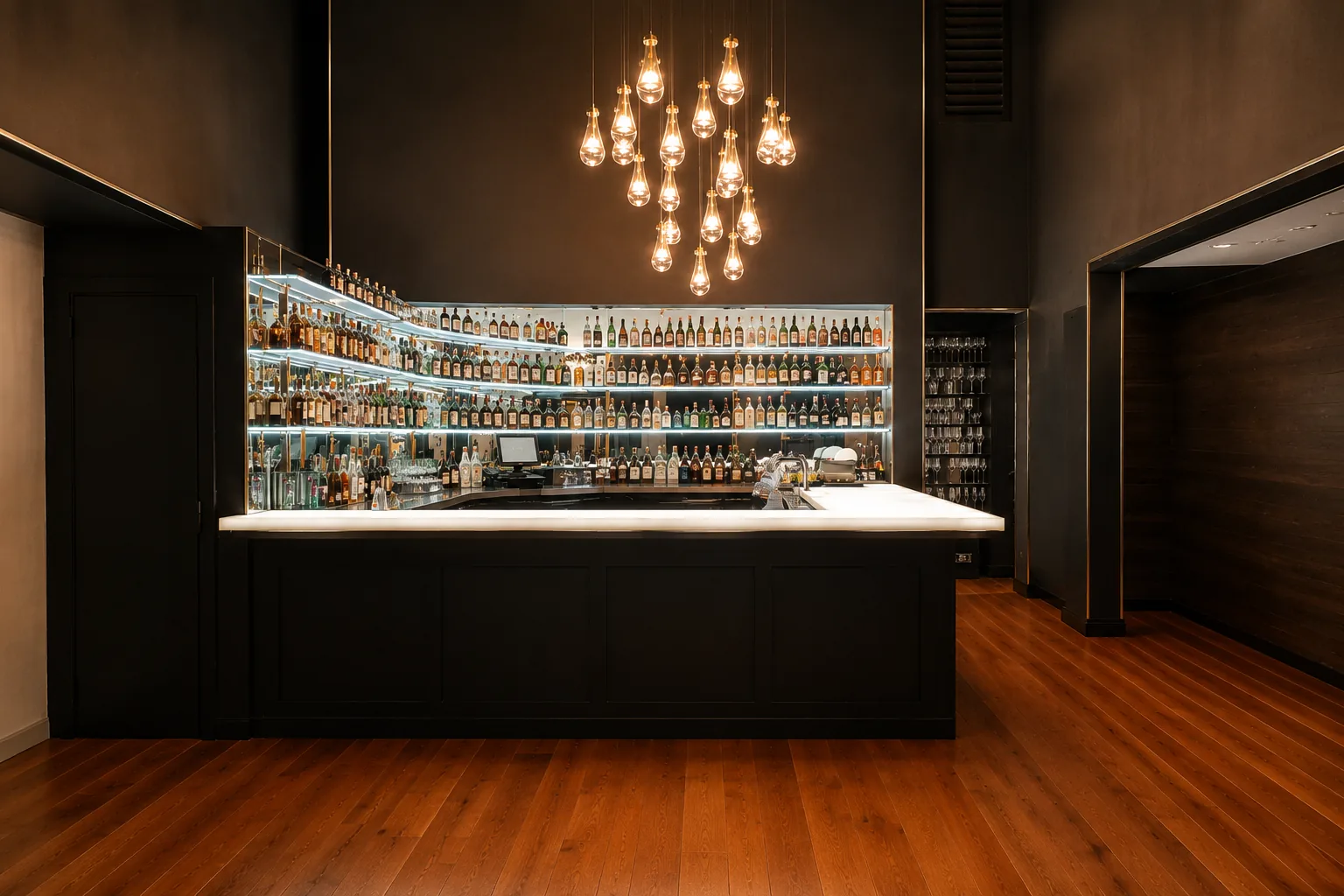
For ERIA Sausalito, confirm the specific booked space, current access arrangements, and any individual requirements directly with the team. Do not assume that every image on a venue website represents the exact floor, entrance, or setup included in your proposal.
Choose activities people can enter gracefully
Participation feels easier when people understand the activity and can decline without becoming the subject of it. A photo area, a voluntary message board, or an optional dance floor offers a different experience from a game that unexpectedly calls employees to the microphone.
If you include a gift exchange, define a comfortable budget and provide a discreet way to opt out. Better still, consider whether it serves the group you are hosting. An event does not need an activity merely because the planning calendar says “holiday.”
Keep recognition specific and warm. Avoid humor based on drinking, relationships, appearance, age, or private information. A joke that requires one employee to absorb embarrassment is unlikely to improve the welcome for the rest of the room.
Be clear about partners and family invitations
Decide the guest policy before invitations go out. “Plus one,” “partner,” and “family welcome” can mean different things to different people. Explain who is included and whether additional guests need to be named by the RSVP deadline.
If children are invited, plan for their presence deliberately. Ask about appropriate meal choices and discuss the event format with the venue. Do not imply that supervision or childcare will be provided unless that service has been arranged explicitly.
If the event is for employees only, say so consistently and warmly. The practical need is clarity. Last-minute exceptions handled informally can make the original invitation feel uneven.
Give departure the same care as arrival
Publish an expected ending so guests can plan their evening. Share confirmed transport and arrival information close enough to the date that it is current. Avoid presenting parking, valet, or shared rides as included unless those arrangements are actually booked.
An optional continuation should be clearly separate from the main celebration. Guests who leave at the announced finish should not feel that they missed the part that mattered. Thank them as they go, and make any company-wide recognition or message available through an appropriate internal channel afterward.
For a hypothetical dinner of 60, the most useful improvement might be moving a long speech earlier, adding a substantial arrival offering, or providing better RSVP information. These decisions do not always photograph dramatically. They change how people experience the entire evening.
Put the choices into one confirmed plan
Before finalizing, review the guest count, menu, beverage selections, room layout, access arrangements, activity expectations, and finish time together. Assign an event contact who can handle questions privately on the day.
When you inquire about an ERIA event, include the format and the kind of experience your team would enjoy, alongside the date and estimated attendance. A site visit can then focus on the real decisions that will make the evening welcoming.
Frequently asked questions
Should we call it a holiday party or a year-end celebration?
Choose wording that accurately reflects the event and your organization. The name matters less than whether the invitation, program, and atmosphere allow the people invited to feel comfortable attending. Avoid promising a broadly welcoming event while building every activity around one assumed tradition.
Do we need a separate alcohol-free event?
Not necessarily. You can plan an evening in which alcohol is optional and nonalcoholic drinks receive equal care. Some teams may prefer an entirely alcohol-free format. Decide based on the purpose and the group, then describe the plan clearly.
How do we collect dietary information discreetly?
Use a private RSVP field or a named event contact, restrict access to people who need the details, and share necessary information with the caterer through the agreed process. Avoid asking guests to explain their preferences publicly.
What if a guest cannot stay for the full evening?
Make the main timing clear so they can decide what is practical. A warm welcome and an easy goodbye are more useful than making a guest defend an early departure. Keep essential recognition or company messages accessible afterward.
Explore all planning guides → Sausalito celebrations →
Plan With ERIA
Ready to bring this to life?
Tell us what you are planning. Our team will help you shape the experience from first idea to final detail.
Start a Conversation