Event Planning · November 16, 2026 · ERIA Events · 8 min read
A dinner table is a small piece of architecture. It holds food, glasses, flowers, candles, hands, elbows and the space between people who are meeting or reconnecting. When every available inch is assigned to decoration, the photograph may be lovely while the dinner becomes an exercise in moving things aside.
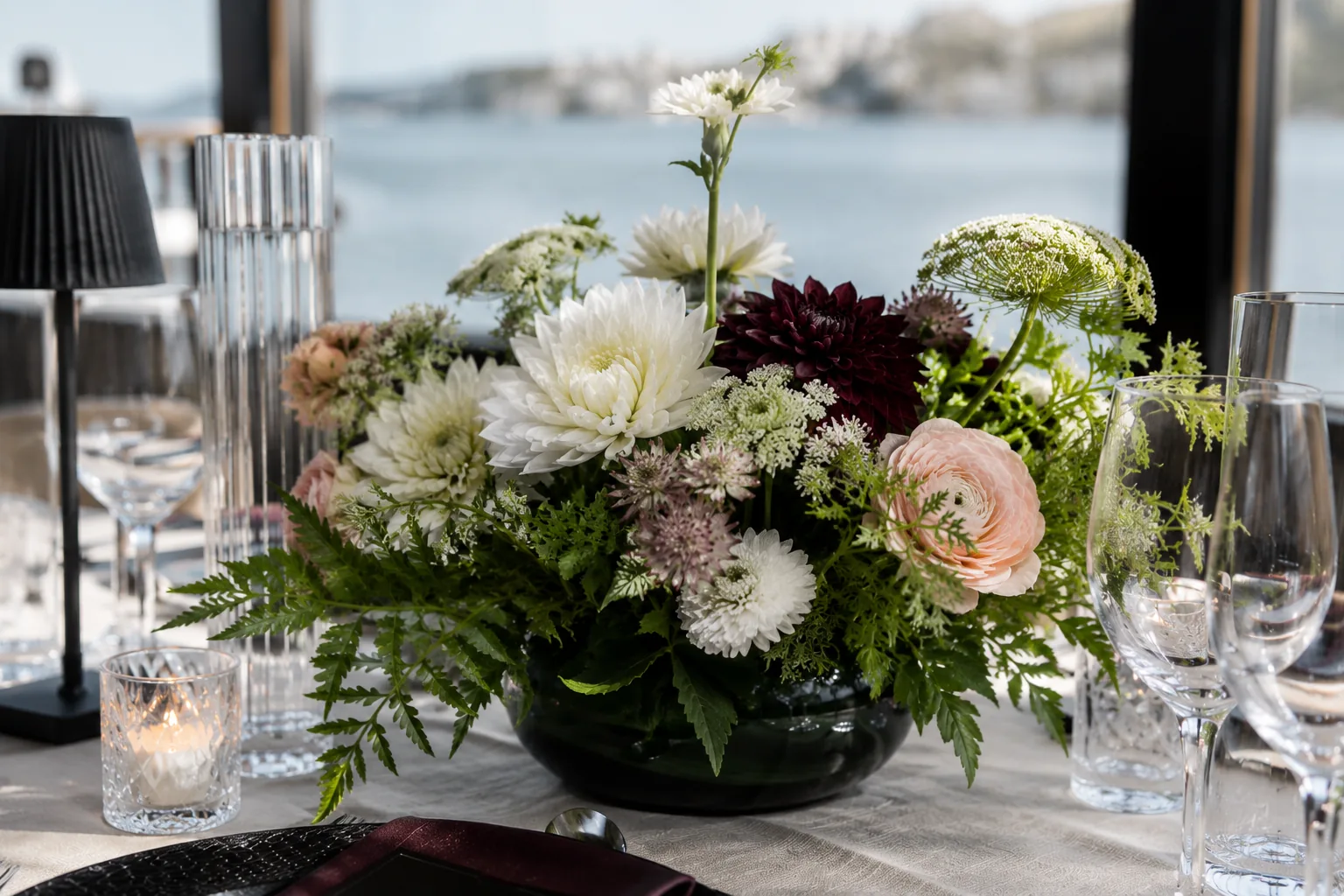
Low centerpieces can give a table beauty and rhythm while keeping faces visible. That makes them especially useful for a private dinner, intimate wedding or family celebration where conversation is central to the evening. At a waterfront venue such as ERIA Sausalito, a lower arrangement can also let the room and its outlook remain part of the composition. The most useful design question is what the table must do during the event.
Begin with the meal service
Before choosing flowers, decide how food will reach the table. A plated dinner, a family-style meal and a reception with guests setting down small plates place different demands on the surface. Even a restrained arrangement can become inconvenient if its footprint occupies the exact space needed for a serving bowl.
Ask the caterer which objects will remain on the table and which will arrive during service. Bread, water, wine, condiments, shared dishes and dessert stands all count. For family-style dining, identify clear landing spaces for platters and a comfortable route for passing them. A florist can design around those spaces once they exist in the brief.
The private-event menu and service guide can help settle this choice. Establishing the service plan early prevents a familiar late revision: an attractive centerpiece that has to be broken apart when the first course arrives.
Test a seated view, not a standing photograph
“Low” is a relationship between the arrangement, the table and the person looking across it. A precise height rule cannot account for every flower shape, vase or seated guest. A shallow vessel filled with dense blooms may feel more obstructive than a slightly taller arrangement with open stems.
Ask for a sample or create a simple mock-up using objects of similar dimensions. Sit opposite another person. Can you see their face without leaning? Can a shorter guest follow the conversation? Turn your chair slightly and check diagonal views as well as the person directly across from you.
Then take a photograph from seated eye level. Most inspiration images are made by someone standing above the table, where a blocked sightline is difficult to notice. The seated test makes the arrangement's social effect visible before the event.
Choose a repeatable shape
A low centerpiece does not have to be a small round bouquet. A shallow bowl, a loose line of separate vessels or a few sculptural clusters can establish a distinct feeling. The choice should fit the table shape and the amount of working space left by the meal.
On a round table, one compact composition can create a clear center without requiring guests to pass dishes through a maze of objects. On a long table, several smaller arrangements can offer rhythm and leave deliberate gaps. A continuous runner of flowers may look generous, but confirm how it will coexist with service before committing to the idea.
For a hypothetical dinner at three long tables, you might repeat one low arrangement every few place settings and reserve the intervals for shared dishes. The actual spacing would depend on the tables, place settings and caterer's requirements. The example is a method for testing a design, rather than a prescribed floor plan.
Give the palette one clear job
A restrained palette can connect the table to the occasion without covering every surface in the same color. Decide which element carries the strongest color: flowers, linens, napkins, menus or glassware. Let the others support it.
For example, soft neutral linens could give deep red flowers the focus, while clear vessels keep the arrangement visually light. Alternatively, a richly colored cloth might need only small pale arrangements and simple printed menus. Both approaches can feel complete because the eye understands where to rest.
Use the room as part of the palette. Look at the actual finishes and light during your site visit, and bring photographs of the proposed linens or floral colors. A detail that looks delicate on a white studio background may disappear in the event room. A small sample is often more useful than a large inspiration board.
Make candles a separate decision
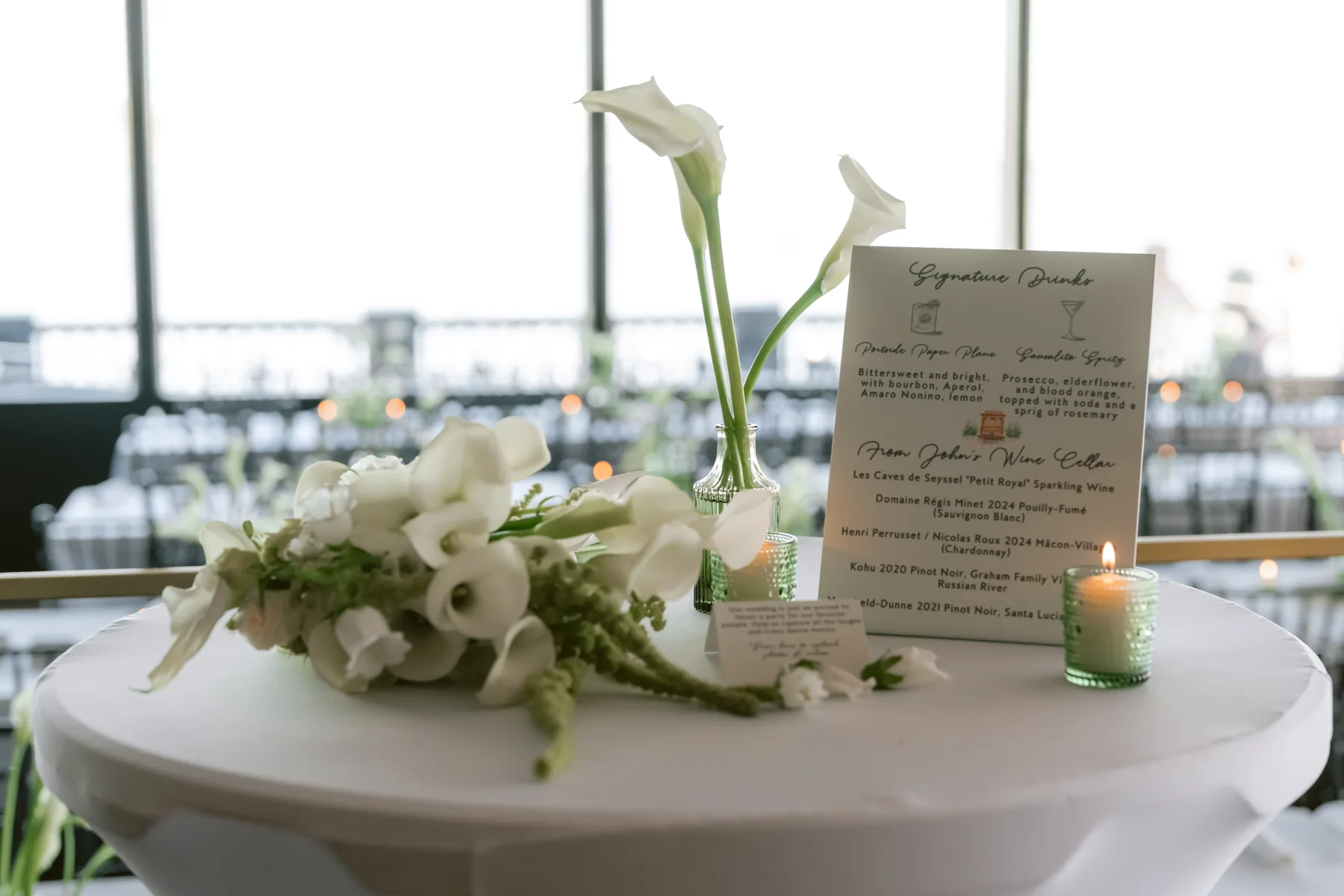
Candles change the relationship between objects on the table. They need stable placement, adequate space and a lighting plan. Confirm the venue's current rules and the supplier's requirements before selecting an open-flame design. If the approved plan uses battery candles, test the actual product rather than assuming every version gives the same effect.
Avoid placing a collection of small lights wherever a gap happens to remain. Arrange them deliberately with the flowers, glassware and food. Check whether guests can reach water or pass a plate without leaning across a flame or knocking a vessel.
Decide who places, lights, monitors and clears the candles. That work should be part of a named supplier's scope. A beautiful detail becomes less appealing when the host is searching for matches just as guests arrive.
Check the table in both daylight and evening light
If the celebration spans an afternoon and evening, the table will be seen under more than one lighting condition. Ask whether you can review the room at a comparable time and discuss the lighting that will be used for dinner. Do not build a design around a specific sunset effect without considering a different weather pattern.
Reflective surfaces can be attractive, but several mirrored or shiny objects may create distracting glare. Printed names and menus should remain readable in the planned lighting. A metallic ink that looks elegant close up may be difficult to distinguish once the room becomes dimmer.
At ERIA Sausalito, consider how the table sits within the waterfront room. Flowers can frame the experience without competing for all of its attention. Confirm the exact space and setup for your event before making final styling decisions.
Keep personal touches useful
A place card, a short menu note or a small object with a story can personalize a table more effectively than several unrelated favors. Choose one detail guests can understand without a long explanation. If the object is a gift, make it clear that guests may take it home.
Consider what happens when dinner starts. Where does the menu go once a plate arrives? Does the favor occupy the bread plate? Will guests move the place card and then lose track of seating? Try the full setting with the first course represented, rather than evaluating each item individually.
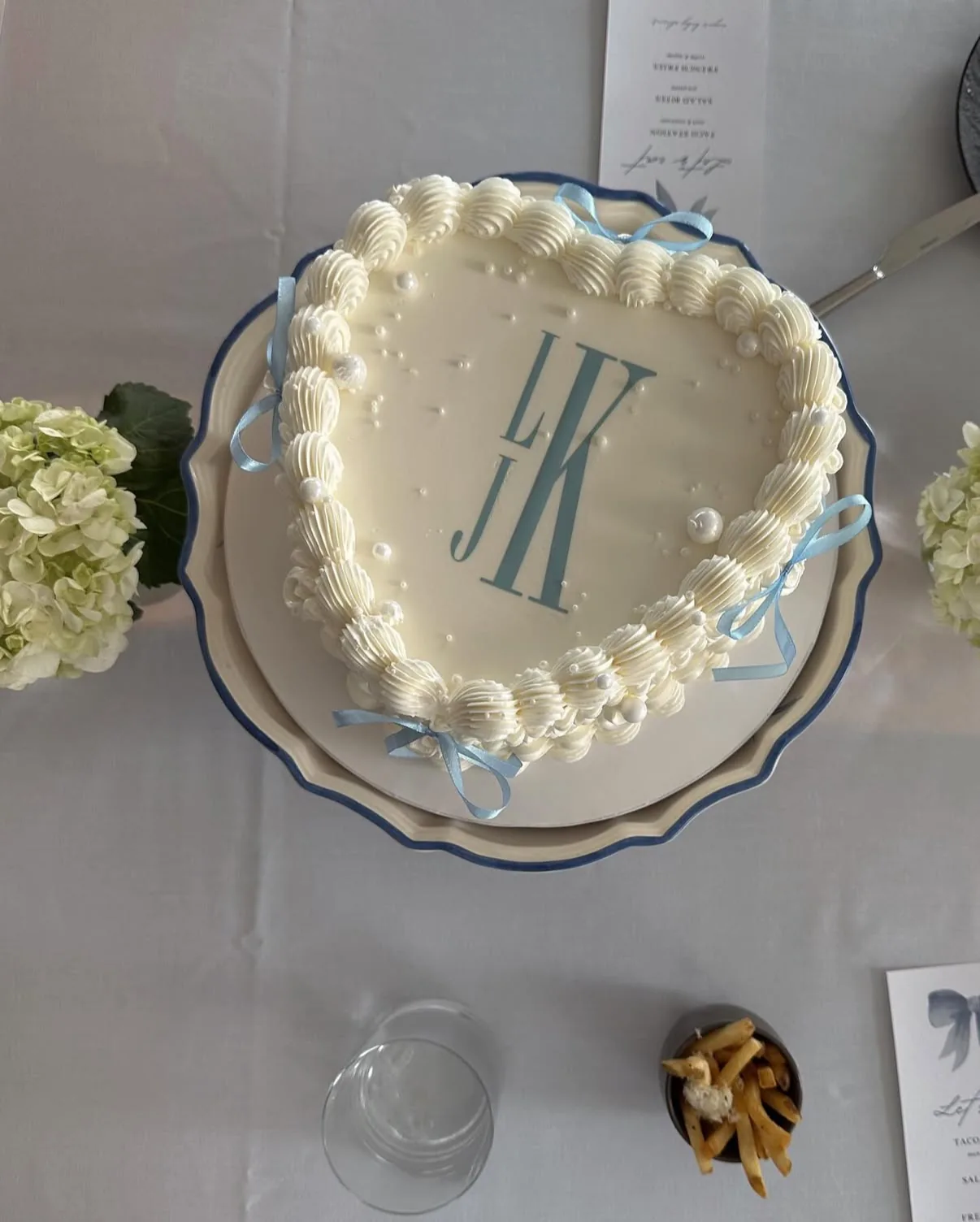
This is also the moment to reduce visual repetition. If the menu already carries the couple's monogram, the napkin, favor and centerpiece do not all need to repeat it. A coherent table can leave some things quiet.
Write a centerpiece brief that can be delivered
Give your florist or stylist the table count and dimensions, guest count, service style, room photographs and the agreed setup window. Include what matters most to you: visible faces, a particular color, open space for platters or a feeling of abundance. Identify which choices are flexible if a particular bloom is unavailable.
Ask for a clear description of vessels, installation, removal and rental returns. Establish who receives any flowers you intend to give away and whether the vessels must stay. End-of-night assumptions can turn a generous gesture into a missing-rental problem.
Finally, review one complete place setting and centerpiece together. The goal is a table you can picture people using. Browse the ERIA portfolio for visual references, then use your own service plan and guest experience to decide which ideas belong at your event.
Frequently asked questions
Are low centerpieces always less expensive?
No. Flower varieties, density, vessel choices, labor and the number of arrangements all affect a quote. A low design can be elaborate. Ask for options against the same brief and compare what each includes.
Can we use one long floral runner with family-style service?
Possibly, if the table has enough usable space and the service team approves the arrangement. Test the runner with the actual plate and platter sizes. Leaving planned breaks may be more comfortable than filling the entire center.
Should every table have an identical arrangement?
Consistency can come from a shared palette or vessel style rather than identical flowers. Keep the scale and practical requirements consistent so every guest has a comfortable setting, even if the compositions vary.
When should we approve the centerpiece design?
After the table layout and meal service are sufficiently settled to test it properly, and before supplier deadlines make changes difficult. Ask your florist and caterer to agree on the key dimensions and service clearances before final approval.
Explore all planning guides → Sausalito celebrations →
Plan With ERIA
Ready to bring this to life?
Tell us what you are planning. Our team will help you shape the experience from first idea to final detail.
Start a Conversation